A group of about 120 Hollywood insiders has been meeting privately with Silicon Valley executives since November 2023 to work out how the film industry should define and control artificial intelligence in the creative process. After a meeting last weekend, the coalition released its first public framework document.
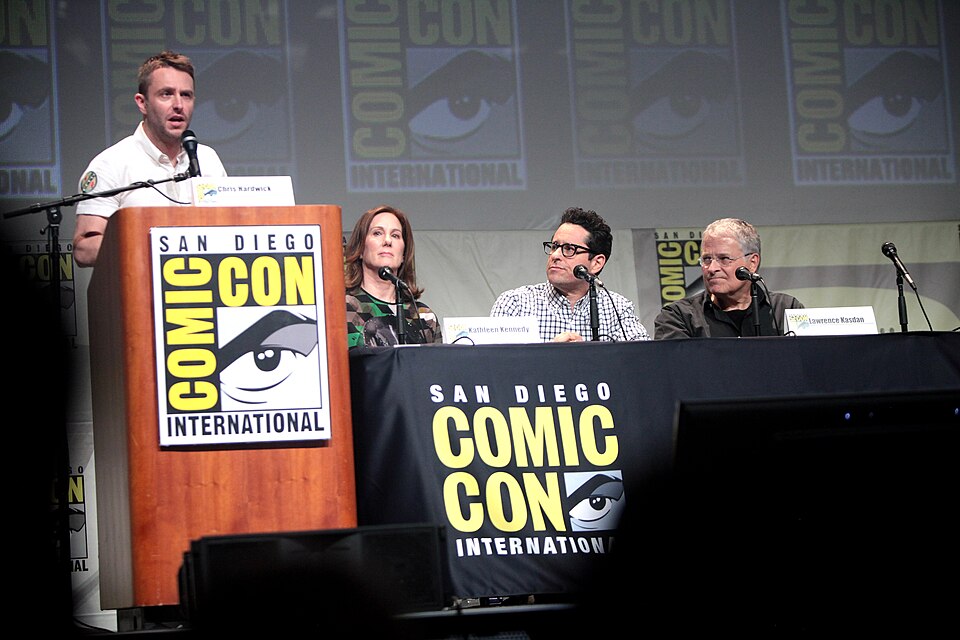
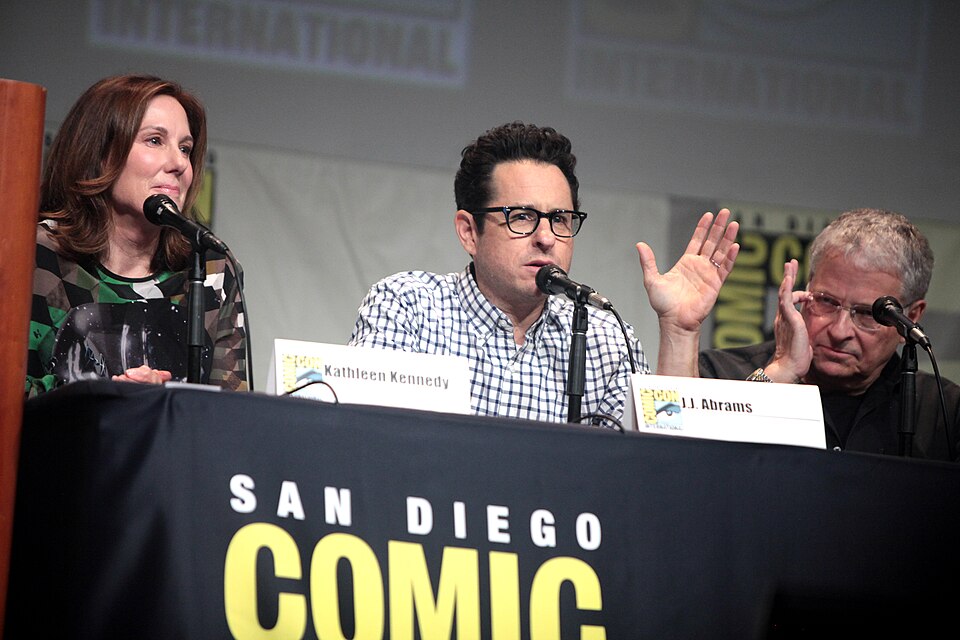
According to Variety, the meetings were first convened by LucasFilm pioneer Kathleen Kennedy and American Film Institute dean Susan Ruskin. Attendees at last weekend's session included actor and InterPositive co-founder Ben Affleck, A24 partner Scott Belsky, CAA agent Greg Siegel, Paramount+ Originals executive Chris Parnell, Stutz producer Diane Becker, 30 Ninjas CEO Jed Weintrob, and director Jon Avnet. The group's framework was first published in the Ankler.
The document, titled "Human Generative Workflows," is intended to give the industry a shared vocabulary for talking about authorship at a time when AI tools are already embedded in production workflows. The group was direct about its purpose: "This conversation is bigger than AI. It is about bringing the entertainment community together to shape a shared approach to the future of the creative process. The future of entertainment will be shaped not by AI alone, but by the choices we make about how AI is integrated into the creative process."
One of the framework's central arguments is that the term AI is being applied too broadly. The document notes that the acronym is "used in the same breath to mean a color grading assist in DaVinci Resolve and a prompted synthetic performance that replaces an actor." The group is pushing for a classification system that distinguishes between different types of AI use across productions.
The framework also identifies certain machine learning tools already in use in the industry as capable of producing copyrightable work, a finding with significant legal and economic implications. The document does not, however, address how AI models are trained or the broader question of job displacement, two issues the group acknowledged are more pressing for many workers.
The coalition's emergence reflects a shift in how Hollywood's power players are willing to talk about AI publicly. The initiative has operated quietly for three years, and while some attendees are now speaking on the record, others are still selective about going public.
The framework is intended as a starting point for industry-wide discussion, not a policy mandate. No timeline has been announced for follow-up meetings or next steps.