Apple has spent more than any other company on stock buybacks over the last ten years, and the numbers behind that program show how dramatically it has reshaped ownership of the company, according to a report by Yahoo Finance.
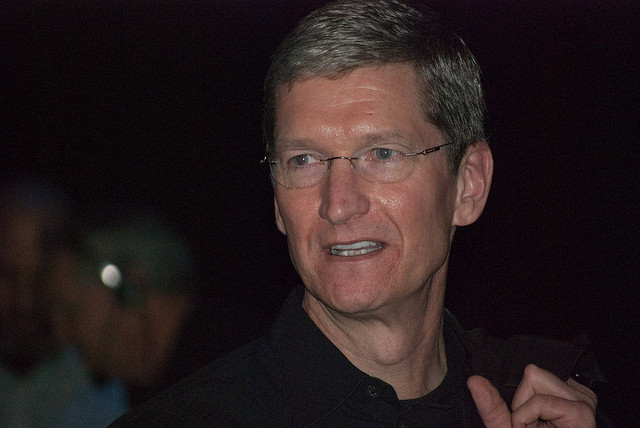
When Tim Cook became CEO in 2011, one of his major strategic moves was returning capital to shareholders. He reinstated Apple's dividend in 2012 and launched a massive stock buyback program. Near the beginning of his tenure, the board authorized a $10 billion buyback for fiscal 2013, but later raised that figure to $60 billion, which was at the time the largest single share-repurchase authorization in history. Apple authorized $100 billion in repurchases in 2018, $110 billion in 2024, and $100 billion in both 2025 and 2026.
A buyback authorization only means a company can spend up to that amount, not that it will. Apple has generally used most of each authorization. In total, the company has bought back $877 billion in shares under Cook's leadership.
When Apple buys back shares, it retires them. With fewer shares in circulation, every remaining shareholder owns a larger slice of the company. When Cook took over, Apple had about 26 billion split-adjusted outstanding shares. As of July 2026, that number had fallen to 14.6 billion, a drop of about 44 percent. A share purchased at the start of Cook's tenure now owns nearly 80 percent more of the company than it did then.
At Apple's market cap of $4.6 trillion as of August 19, a $100 billion repurchase authorization represents buying back a little over 2 percent of the company in a single program. Over one quarter or one year that is a relatively minor shift. Over more than a decade, the compounding effect has been substantial.
There is a caveat to the shareholder benefit. Apple's valuation has risen significantly since the early years of the buyback program. The stock traded between 12 and 18 times earnings for much of the 2010s. It now trades at 36 times trailing earnings. Buying back shares at a higher valuation means each dollar spent returns less added value to shareholders than it would have at lower prices. The $110 billion authorization from 2024 remains the largest single buyback in the company's history.