The United States and Iran exchanged military strikes for the first time in over a month, sending oil prices above $90 a barrel and raising fresh fears about global energy supplies.
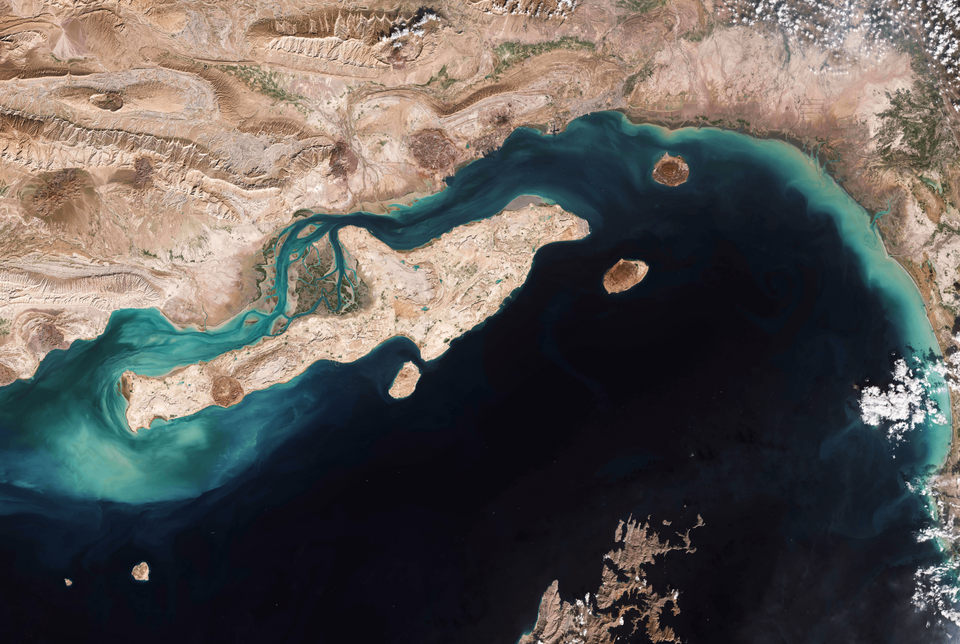
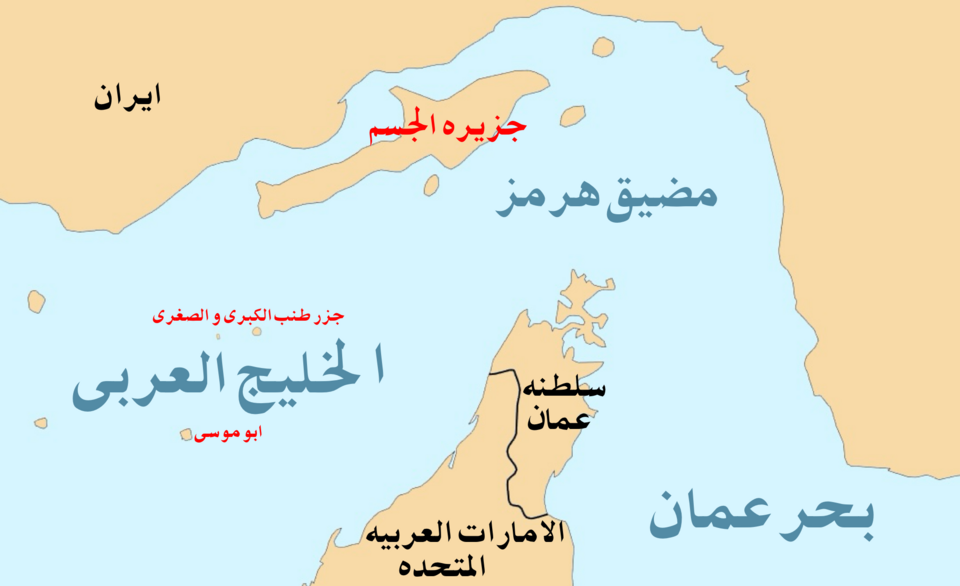
American forces struck two Iranian rocket launchers on Larak Island in the Strait of Hormuz on Sunday after spotting Revolutionary Guard troops preparing to launch rockets loaded with sea mines into the waterway, according to U.S. Central Command. Iran's Revolutionary Guard responded on Monday by launching an attack on two U.S. bases in Jordan, Iranian media reported.
"Earlier today U.S. forces struck two Iranian launchers on Larak Island. Islamic Revolutionary Guard Corps forces were observed preparing to launch rockets with sea mines into the Strait of Hormuz," Navy Capt. Tim Hawkins, a U.S. Central Command spokesperson, said in a statement.
Hawkins added: "Last week, CENTCOM completed clearing sea mines from the strait's international shipping routes. U.S. forces are monitoring the area closely and remain prepared to protect the free flow of commerce through this essential waterway."
The strikes mark the first publicly acknowledged U.S. military action against Iranian positions since late July. The war has now dragged on for six months, sharply disrupting vessel traffic through the Strait of Hormuz, one of the most critical chokepoints for global energy shipments.
Larak is a small Iranian island in the strait. Tehran has used it as a military and shipping control point, with the Revolutionary Guard monitoring vessel traffic through the waterway from positions there.
Oil markets reacted immediately. International benchmark Brent crude futures rose 3.2% to $90.90 per barrel on Monday morning, according to CNBC. U.S. West Texas Intermediate crude futures climbed 3.5% to $86.28 per barrel.
The situation grew more complicated when Iran's Revolutionary Guard reported Monday that a supertanker had caught fire and been disabled in the southern Strait of Hormuz after striking two naval mines. The Guard said the vessel was not complying with Iran's rules for passage and urged other ships to follow its regulations for safe transit through the waterway.
Also on Monday, President Donald Trump extended his threats to Kharg Island, Iran's main oil export terminal. Trump shared an artificial intelligence-generated video on his Truth Social platform depicting the bombing of the facility and wrote that it is "going to be blown to smithereens!" There was no evidence of any attack on Kharg Island, and an Iranian official reportedly dismissed Trump's post as laughable.
Iran's Foreign Ministry said Monday that the U.S. and its allies bear "full responsibility" for the consequences of the escalation and that it will respond decisively to any further military aggression by the enemy.
Energy market participants are now closely watching whether the renewed fighting will further restrict shipping through the strait, which serves as a key transit route for a significant portion of the world's oil exports.