

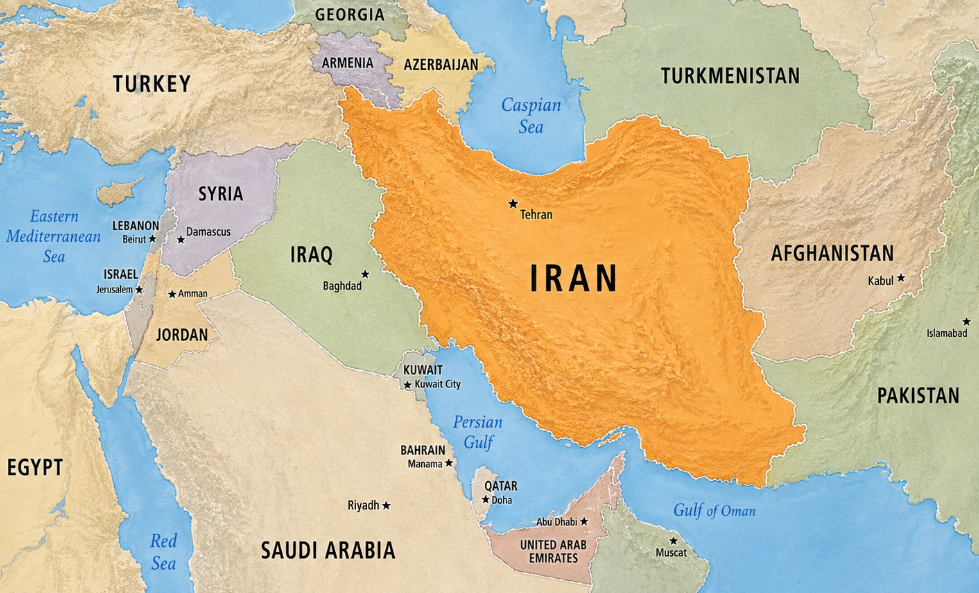
U.S. forces struck Iran on Sunday, hitting rocket launchers in what Investor's Business Daily reported was the first American attack on Iranian soil in roughly a month. The strike sent crude oil prices higher and pushed Dow Jones futures lower Sunday night, along with S&P 500 and Nasdaq futures.
According to a report by Investor's Business Daily, Dow Jones futures fell modestly in overnight trading after news of the strike broke. Oil prices jumped in response. The moves came as investors were already weighing a turbulent week in which major stock indexes had posted modest gains despite losses on Friday.
Those Friday losses came after Federal Reserve Chair Kevin Warsh delivered his Jackson Hole speech, which caused Treasury yields to jump. MarketWatch reported that U.S. stock-index futures were little changed Sunday as investors weighed the likelihood of a fresh interest-rate hike following Warsh's comments at the annual central banking conference.
The Russell 2000 small-cap index fell over the past week, even as larger indexes managed to eke out gains. The divergence between large-cap and small-cap performance has been a recurring theme in recent weeks, with investors concentrating in larger names while smaller companies lag.
The market faces several near-term tests beyond the Iran situation. Fresh labor data and tech earnings are both on the calendar for the week ahead, according to MarketWatch. Those reports could shape expectations for what the Fed does next on interest rates.
Warsh's Jackson Hole remarks appear to have shifted some investor thinking toward the possibility of a rate increase rather than the rate cuts many had anticipated earlier in the year. Higher Treasury yields following the speech rattled stocks on Friday and added to uncertainty heading into the new week.
The Iran strike added a geopolitical layer on top of those economic concerns. Oil prices are sensitive to any conflict involving Iran, one of the world's significant crude producers. A sustained rise in oil prices could complicate the Fed's efforts to bring inflation down, potentially adding pressure on Warsh and the Federal Open Market Committee as they weigh their next move.
As of Sunday night, no details on the scope of the damage from the strikes or any Iranian response had been made widely available in the source reporting.