

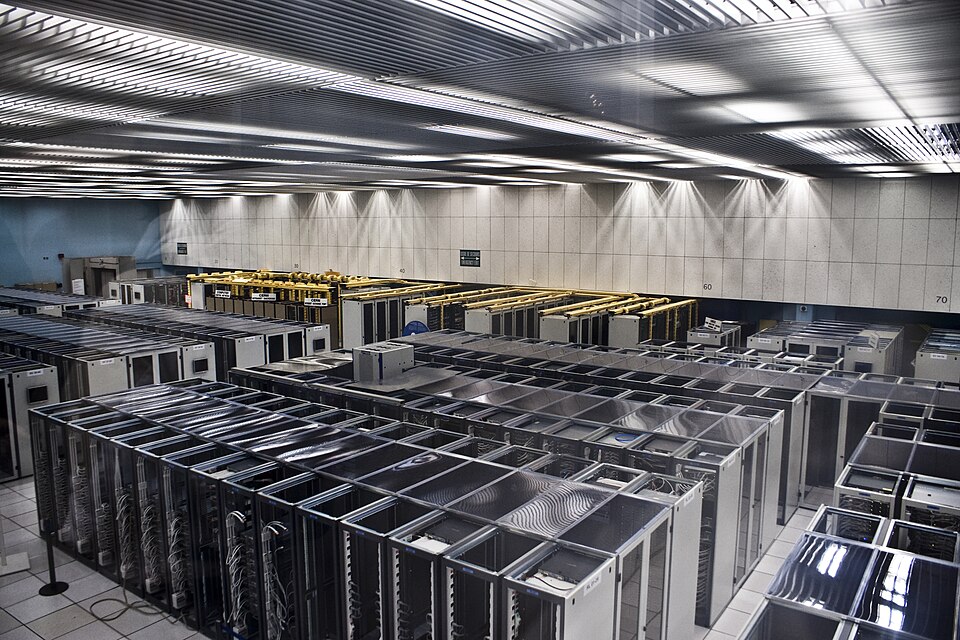
Two states facing the same pressure from the AI-driven data center boom have responded with approaches that look almost nothing alike. New Jersey passed laws setting statewide rules before large data centers can connect to the grid. Indiana let its utility negotiate a deal directly with technology companies and consumer advocates, and that deal could end up lowering electric bills for existing customers.
The contrast shows how states are scrambling to answer a basic question: when a massive new power customer moves in, who pays for the grid upgrades it needs.
According to a Fox News report, New Jersey Gov. Mikie Sherrill signed legislation in July requiring the New Jersey Board of Public Utilities to create a separate rate structure for large data centers. Under that law, the costs of new substations, transmission lines, or other grid upgrades built mainly to serve a data center cannot be passed on to other utility customers. Large data centers must also commit to paying for at least 85 percent of the electricity capacity they request over a 10-year period, even if they scale back their power use or close.
Sherrill paired those protections with disclosure requirements. A separate law she signed requires data center operators to report their energy and water use to the state twice a year. Her administration says the reporting will give officials a clearer picture of what data centers are drawing from local infrastructure and help communities negotiate with developers before projects are built.
Indiana moved differently. Rather than write statewide rules, state regulators approved an agreement negotiated by Indiana Michigan Power, the Fort Wayne-based utility, along with consumer advocates and major technology companies. The deal grew out of a wave of large projects in the utility's service area. Amazon Web Services announced an $11 billion data-center campus near New Carlisle, Indiana, in 2024. Google announced a $2 billion project in Fort Wayne. That concentration of demand forced the utility and state officials to work out who would cover the costs.
Under the 2025 agreement, new large customers including data centers must make long-term financial commitments to pay for the electric service they request, even if their actual demand falls short later. Indiana Michigan Power says those commitments change the math for existing customers. With revenue locked in from large customers, the utility is now asking regulators to cut base rates by $59 million in 2027. If the Indiana Utility Regulatory Commission approves the plan, a household using 1,000 kilowatt-hours of electricity per month would save about $100 a year.
The two states are not the only ones working through this problem. The AI boom has created an unprecedented demand for electricity across the country as technology companies race to build the computing infrastructure needed to run large language models and other AI systems. Data centers require enormous and continuous power, and utilities in many states have reported that their long-term demand forecasts have shifted sharply upward in a short period.
The core dispute in most states involves who bears the financial risk if a data center requests a large amount of grid capacity and then uses less than expected, or shuts down entirely. Both New Jersey and Indiana have tried to place that risk on the data centers rather than on residential and small commercial customers, though they have done so through very different mechanisms.