US Treasury Secretary Scott Bessent is heading into a meeting of Group of 20 finance ministers carrying questions about his standing in financial markets after an interventionist summer that drew pushback from investors and trading partners alike.
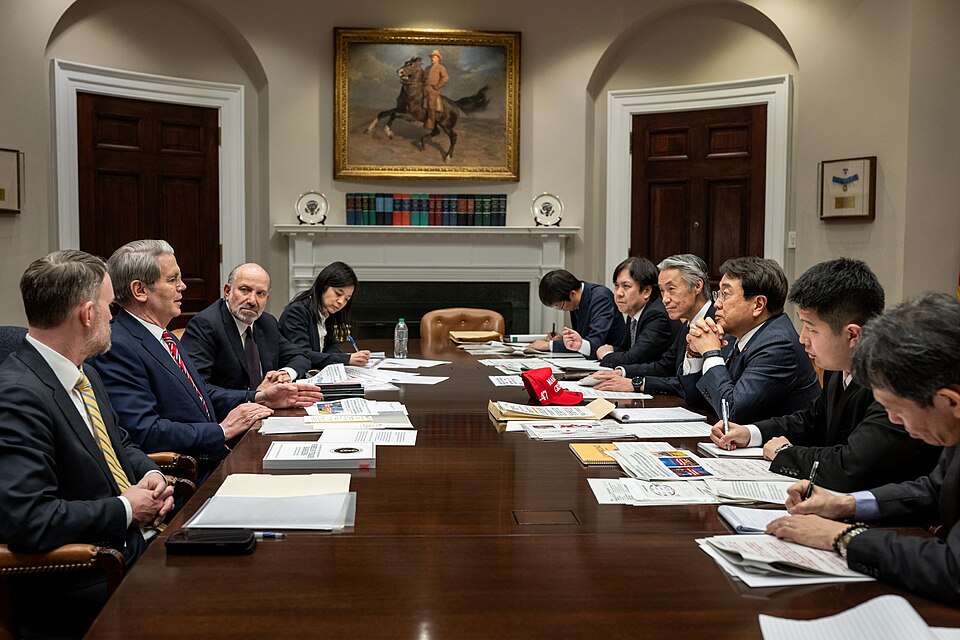
The G20 finance ministers meeting is being held Monday in Asheville, North Carolina. Bessent has said he wants to bring the conversation back to the core subject of boosting global economic growth. According to Bloomberg, he faces a significant challenge in making that case.
The biggest threats to global growth this year have come from high energy prices and other consequences of President Donald Trump's decision to pursue military action against Iran, as well as the economic impact of US tariffs. Those tariffs are again drawing attention with the launch of a new trade war against Canada, which is itself a G20 member and will be represented at the Asheville meeting.
That context puts Bessent in an awkward position. He is expected to champion a growth agenda while sitting across from finance ministers whose economies have been affected by policies coming out of Washington. Canada's presence at the table is particularly pointed given that the new trade conflict with Ottawa is still unfolding.
Bloomberg Senior Economics Writer Shawn Donnan described the situation as a credibility test for Bessent among his global peers. The interventions Bessent made over the summer in financial markets generated questions in those markets about the consistency and predictability of US economic policy, which is a concern that tends to follow Treasury secretaries into international forums where trust and coordination are essential.
The G20 finance ministers group includes the world's largest economies and meets to coordinate on issues including trade, monetary policy, and financial stability. Decisions made or signaled at these meetings can influence markets and government policy well beyond the countries directly involved. For Bessent, the Asheville meeting is an opportunity to project stability and purpose, but the backdrop of tariffs, energy costs tied to the Iran conflict, and lingering market skepticism makes that a harder message to deliver.