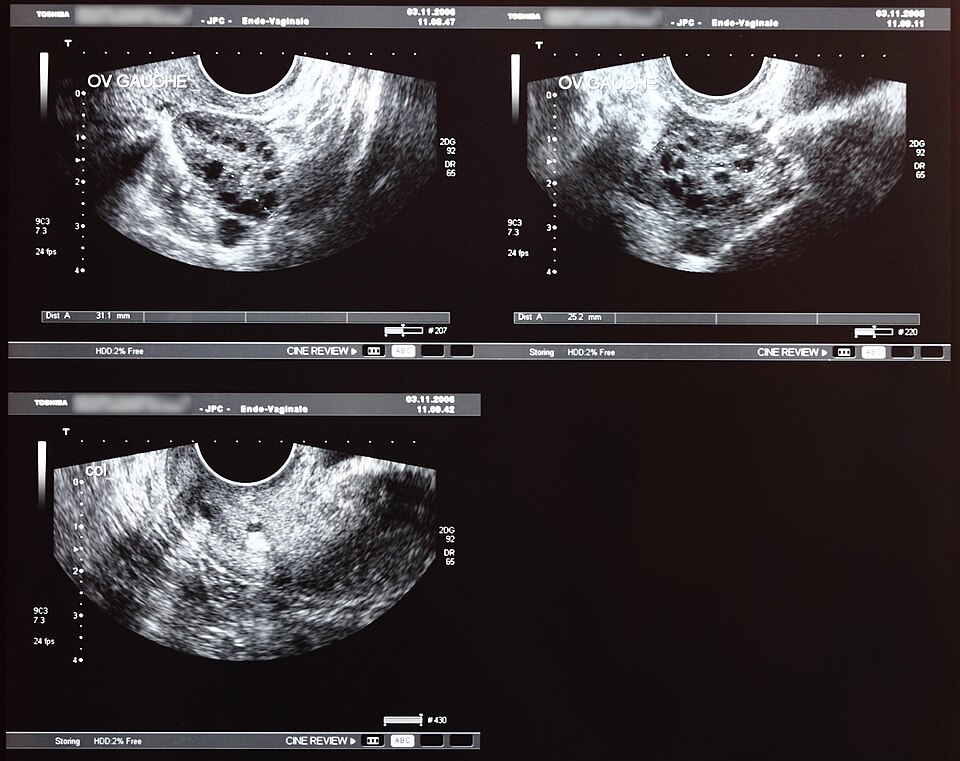
A five-year wait for a diagnosis is not unusual for people with polycystic ovary syndrome. For one patient, the journey started at 18, when her aunt was diagnosed and she recognized the same symptoms in herself: weight gain, acne, and irregular periods. Her doctor ordered blood tests and an ultrasound, then told her she did not have the condition. The advice she received instead was to change her diet, exercise more, and lose weight.
According to a first-person account published by Healthline, that pattern repeated itself until the patient was 23, when a gynecologist reviewed her records during a routine screening. The doctor told her, "Of course you have PCOS." She described the moment as lifting a weight from her shoulders.
The gynecologist prescribed metformin, a medication commonly used to manage type 2 diabetes, explaining it could help with insulin resistance that may have contributed to her weight struggles. He also noted that staying on birth control could help with hormonal symptoms including menstrual irregularities. Within a few months of starting metformin, her weight began to drop and she reported feeling better overall.
Nearly two decades later, she still experiences fatigue, mood changes, muscle aches, and headaches. Managing the condition involves monitoring stress, being mindful of diet, and allowing herself rest on difficult days. There is no cure for PCOS. It is a lifelong condition.
That reality makes a recent development significant for many patients. In May 2026, experts began the process of renaming PCOS to polyendocrine metabolic ovarian syndrome, or PMOS. The new name is intended to better reflect the whole-body nature of the condition, rather than focusing on ovarian and fertility-related aspects that are not present in every patient.
The original name, polycystic ovary syndrome, has long been criticized for creating confusion. Not everyone with the condition has cysts on their ovaries. Not everyone experiences fertility problems. Yet those features dominated both the name and, for many patients, the clinical conversation. People whose symptoms looked different were sometimes told they did not qualify for the diagnosis at all.
The shift to PMOS is still in process as of September 2026. For patients who spent years being dismissed or misdiagnosed, the change carries weight beyond terminology. It signals a broader recognition that the condition affects metabolism, hormones, and multiple body systems, and that the criteria used to identify it may need to expand alongside that understanding.