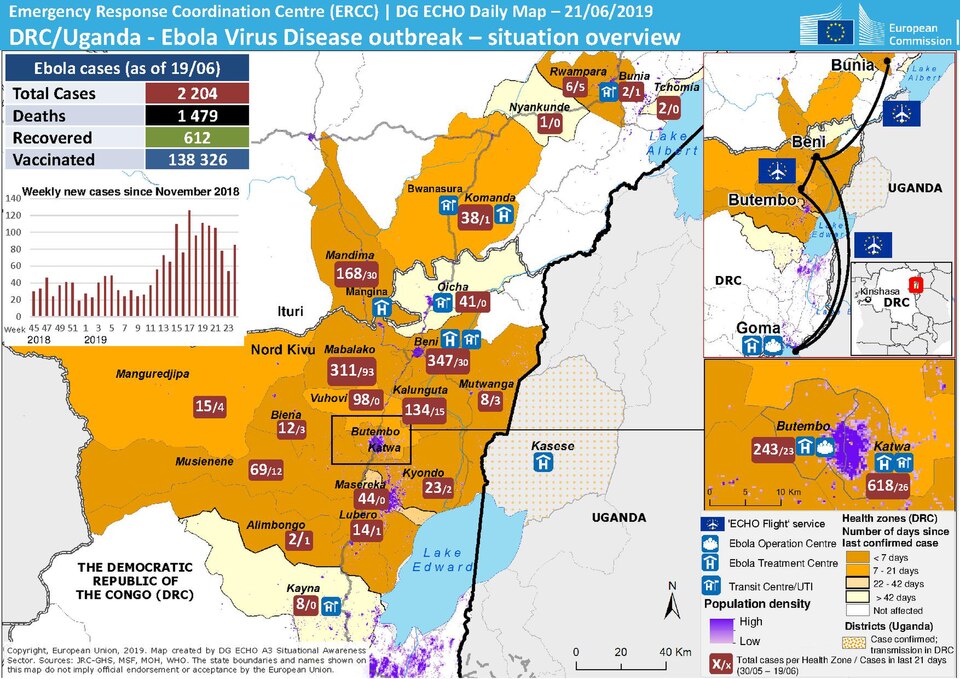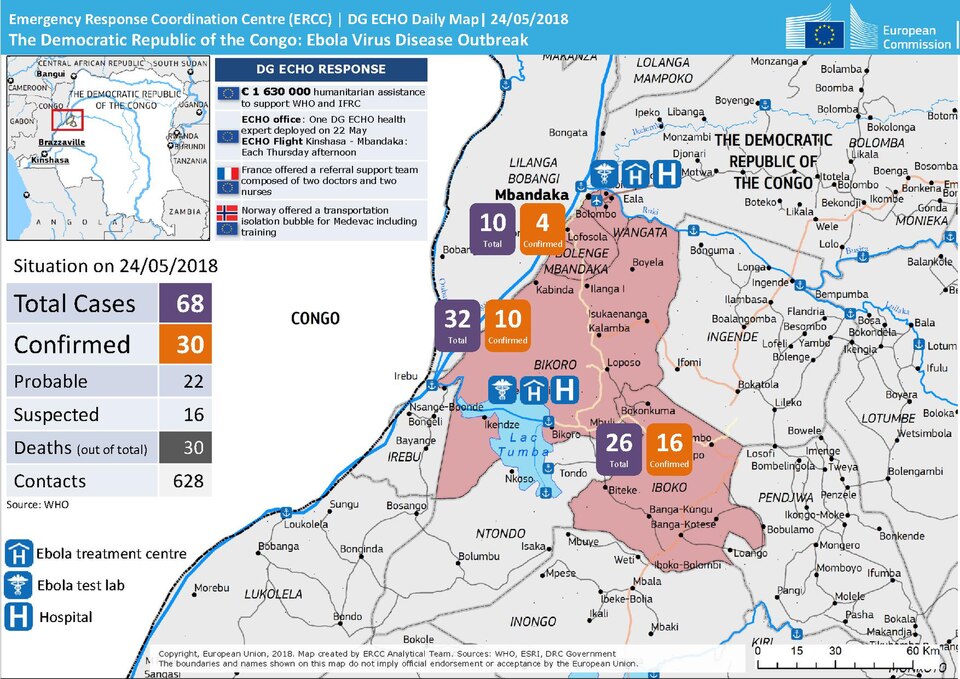
Schools have resumed classes in the part of the Democratic Republic of Congo that sits at the center of an active Ebola outbreak, even as parents and teachers have expressed serious concerns about the safety of returning to in-person learning.
According to a report by U.S. News and World Report, the decision to reopen came despite widespread anxiety among those most directly affected. Teachers and parents in the region have voiced fear that bringing children together in school buildings could accelerate the spread of the virus, which has already claimed lives in the area.
Ebola is a severe and often fatal illness caused by a virus that spreads through direct contact with the blood or bodily fluids of an infected person. Outbreaks in the Democratic Republic of Congo have recurred over several decades, and the country has more experience managing the disease than almost anywhere else in the world. That history, however, has not eliminated public fear when a new outbreak takes hold.
The decision to reopen schools in an active outbreak zone reflects the tension governments face between the risks of continued disease spread and the long-term consequences of keeping children out of school. Extended school closures in previous outbreaks and during the COVID-19 pandemic led to documented setbacks in literacy, nutrition, and child welfare.
Health officials and aid organizations have been working in the region to contain the current outbreak, but the situation remained active enough that teachers and parents were not fully reassured. Whether additional safety measures such as screening, hand-washing stations, or reduced class sizes were put in place at the reopening was not detailed in available reports.
The outbreak's trajectory will likely determine how long schools remain open and whether further closures become necessary.