Nearly 80 percent of adults in their 20s already show early signs of cardiovascular-kidney-metabolic syndrome, a condition that links obesity, diabetes, chronic kidney disease, and heart disease. The finding comes from new research reported by Healthline, based on a study of 1,283 individuals with an average age of around 23.
The participants were drawn from the Future of Families and Child Wellbeing Study, a long-term family research project. Researchers measured each participant's stage of CKM syndrome and calculated a cardiovascular health score using a tool called Life's Essential 8. They also used ultrasound to look for signs of artery damage.
CKM syndrome is staged from zero to four. Stage 0 means no risk factors. Stage 4 means clinical cardiovascular disease. In this study, only 20.7 percent of participants landed at stage 0. None reached stage 4. The largest group, 40.2 percent, fell at stage 1, which involves excess or dysfunctional body fat. Another 36.2 percent were at stage 2, which includes metabolic or kidney risk factors. A smaller group, 2.8 percent, reached stage 3, involving subclinical cardiovascular or advanced kidney disease.
The average cardiovascular health score across all participants was 69.2 out of 100. Scores dropped as CKM stage increased. Stage 0 participants averaged 77.6. Those at stage 2 averaged 63.8, and stage 3 averaged 64.4.
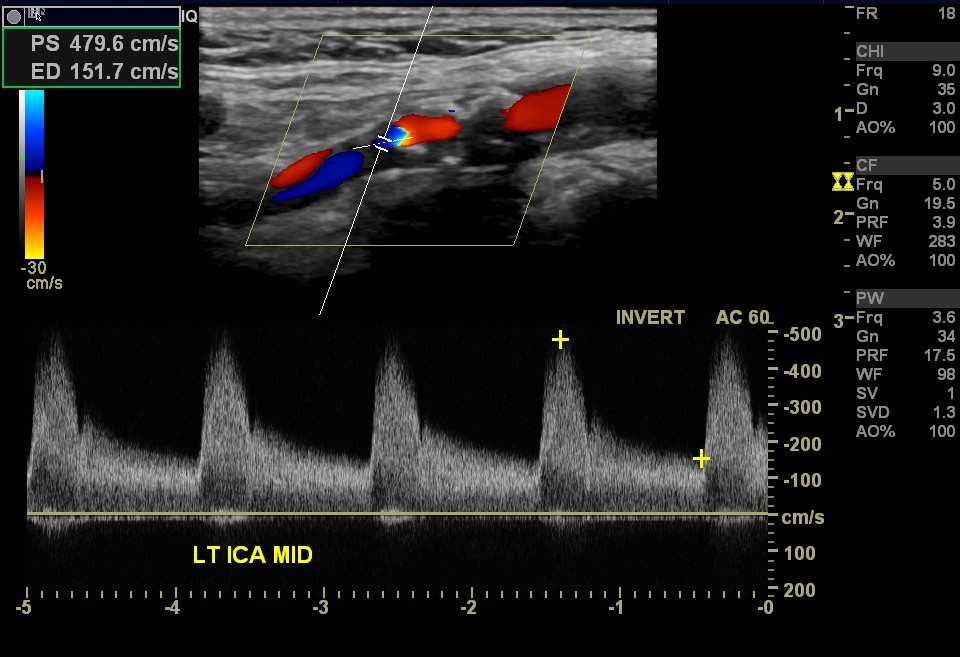
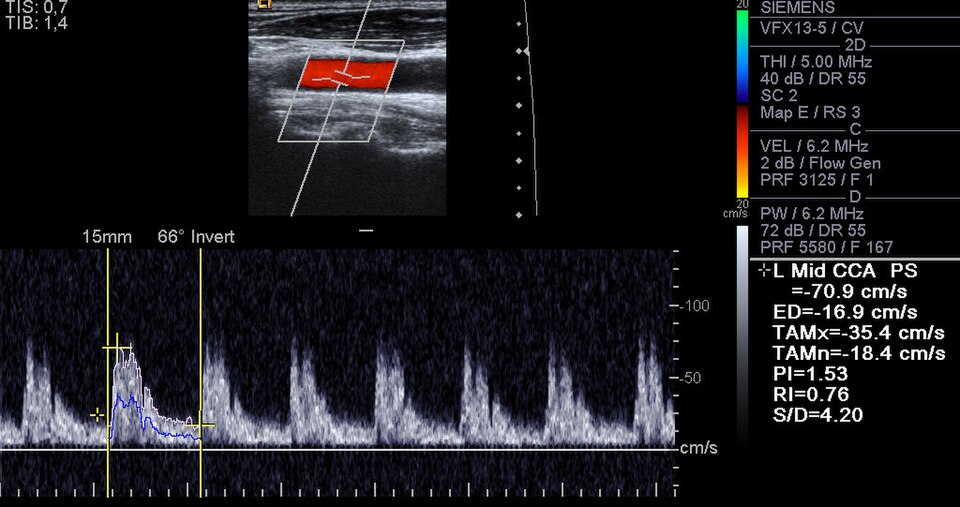
Ultrasound results showed that participants at higher CKM stages had thicker arterial walls. Thicker walls are a known marker of increased cardiovascular disease risk. The researchers noted that changes in arteries can begin decades before any symptoms appear, making detection in a person's 20s potentially significant for long-term health outcomes.
Kevin Shah, a board-certified cardiologist and Program Director of Heart Failure Outreach at MemorialCare Heart and Vascular Institute at Long Beach Medical Center, was not involved in the study but reviewed the findings. "These findings are concerning because they suggest that cardiometabolic-kidney health problems may begin much earlier in life than we traditionally recognize," Shah said.
He also said the research points to the value of early intervention. "[The study] highlights the importance of identifying risk factors early, before they progress to conditions such as diabetes, heart disease, or kidney disease," he added.
Shah flagged the artery findings as especially notable. He described what the researchers found as evidence of rapid development of carotid artery disease in people in their 20s, calling that finding extremely alarming.
The study's authors noted that identifying CKM risk in younger adults gives healthcare providers an opening to encourage lifestyle changes that could slow or prevent more serious conditions from developing later. The staging system itself is relatively new, and the study represents one of the earliest applications of it to a young adult population.