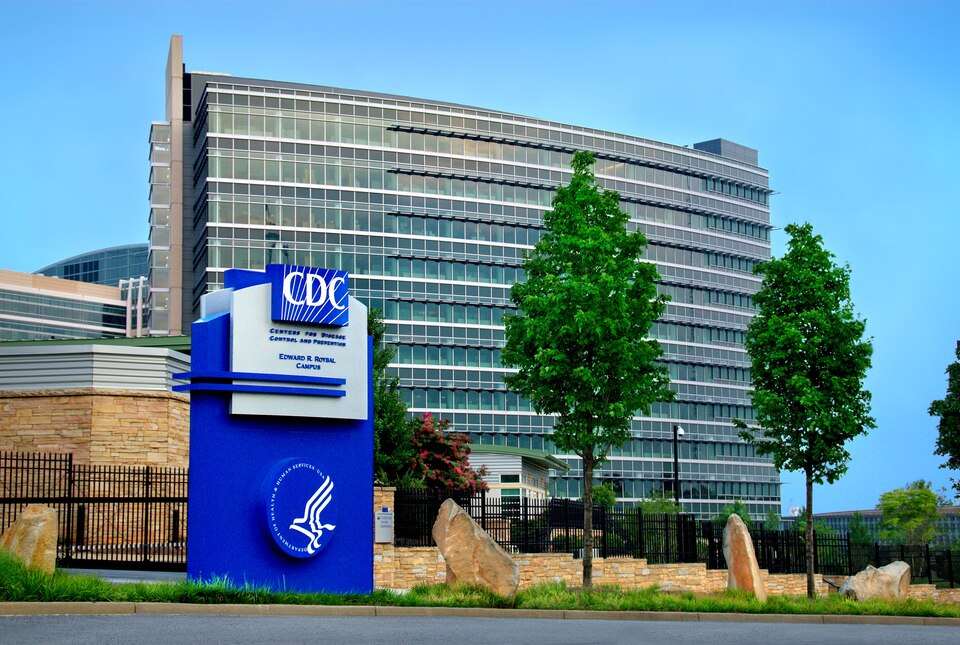
President Trump has named a pastor as a tobacco health adviser at the Centers for Disease Control and Prevention, placing a religious leader in a scientific advisory position at the country's leading public health agency, according to a report by WREG.com.
The appointment drew attention because the adviser role at the CDC's Office on Smoking and Health has traditionally gone to researchers, physicians, or public health professionals with direct expertise in tobacco science, addiction medicine, or related fields. The pastor named to the position does not have a medical or scientific background, according to the report.
The CDC's tobacco office is responsible for research, policy recommendations, and public education campaigns related to cigarette smoking, e-cigarettes, and other tobacco and nicotine products. It produces data used to guide federal regulations and public health strategies aimed at reducing smoking rates, which remain a leading cause of preventable death in the United States.
The Trump administration has made a series of unconventional appointments to health and science roles across federal agencies since returning to office. Critics of those appointments have argued that placing individuals without relevant scientific credentials in positions that shape health policy can weaken the scientific integrity of agencies like the CDC.
Supporters of such appointments have argued that advisory panels benefit from diverse perspectives and that lived experience, community leadership, and faith-based outreach can play a role in reaching populations that public health campaigns have historically struggled to engage.
The CDC has not publicly detailed what specific duties the newly appointed adviser will carry out or how the role fits into the agency's existing tobacco research and policy structure. No timeline was given for when the adviser would formally begin work.
The appointment comes at a time when federal tobacco policy faces ongoing debates about how to regulate e-cigarettes and flavored tobacco products, which health officials say have driven up nicotine use among young people.