A compound found in edible sea squirts reversed several signs of aging in older mice, according to new research involving scientists from Stanford University, Xi'an Jiaotong-Liverpool University, Shanghai Jiao Tong University, and the University of Chinese Academy of Sciences.
The compound is called a plasmalogen. Plasmalogens are a type of lipid, or fat molecule, that forms part of cell membranes. They occur naturally throughout the human body and are especially concentrated in the brain, heart, and immune cells. Their levels decline as people age, and reduced plasmalogen levels have been observed in people with Alzheimer's disease and Parkinson's disease.
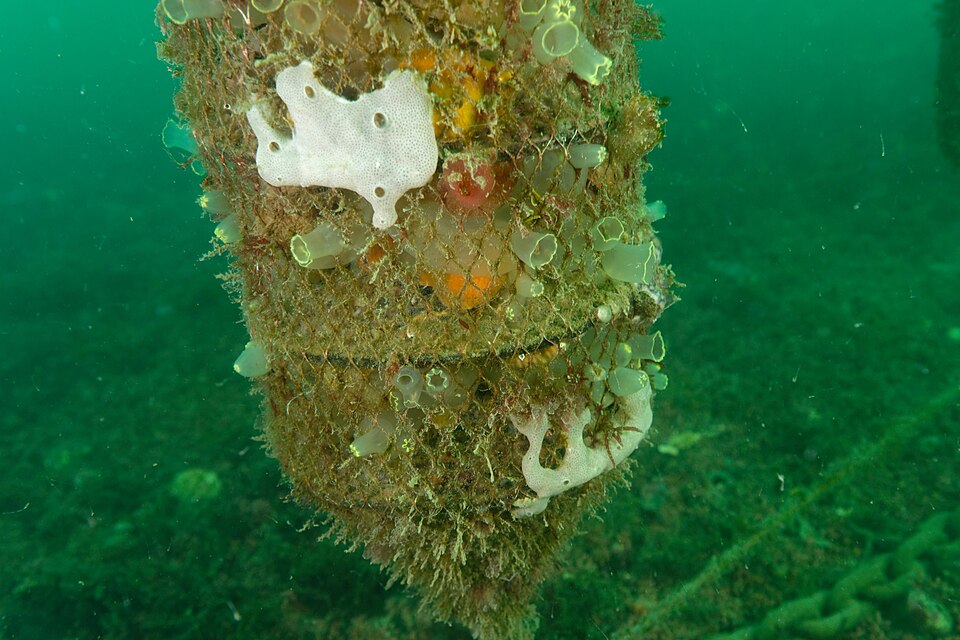
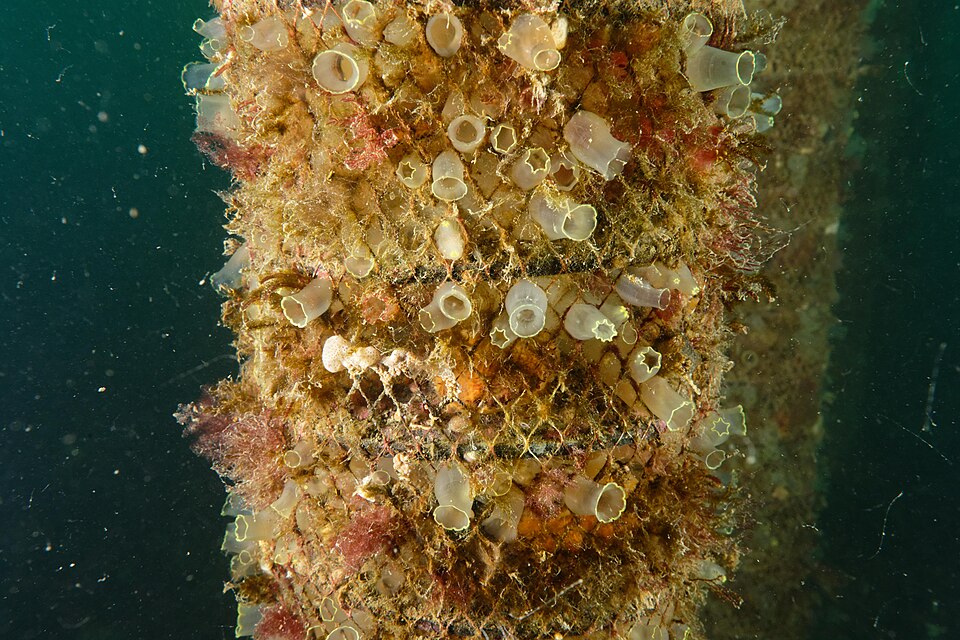
Sea squirts, marine animals eaten in parts of Asia including Korea and Japan, contain high levels of plasmalogens. Researchers added plasmalogen supplements derived from these animals to the diets of aged mice and then measured the effects on behavior and physical condition.
The results showed substantial improvements. Treated mice showed gains in learning and memory. They also showed visible physical changes.
Professor Lei Fu, the corresponding author of the study, described the findings in direct terms. "Our research suggests that plasmalogens may not just stop cognitive decline, but may reverse cognitive impairments in the aging brain. Additionally, aged mice fed with the plasmalogens grow new black hair that is thicker and glossier than aged mice not fed the supplement," he said.
According to the researchers, reported by Science Daily, the work provides the first detailed look at how plasmalogens may influence the aging brain. The supplements also appeared to reduce inflammation and strengthen connections between brain cells, which the researchers believe may encourage brain regeneration and protect aging synapses.
The study's authors did not claim the findings translate directly to humans. The research was conducted entirely in mice, and scientists have not yet established whether plasmalogen supplements produce similar effects in people. The connection between plasmalogen decline and neurodegenerative disease, however, has given researchers reason to continue investigating the compounds as a potential tool for protecting brain health in aging populations.