

Tirzepatide, the drug sold under the brand names Zepbound and Mounjaro, reduced the number of breathing interruptions in people with obstructive sleep apnea by approximately 20 to 24 per hour compared to a placebo, according to a new research review reported by Healthline. Up to half of participants in one of the trials studied achieved full remission of their symptoms.
The review examined studies published between 2016 and 2025 and was built around an earlier clinical trial called the SCALE Sleep Apnea trial. Researchers searched several databases, including PubMed, Cochrane Library, ClinicalTrials.gov, and Google Scholar. They looked at randomized clinical trials, systematic reviews, meta-analyses, and observational studies that reported sleep-related outcomes.
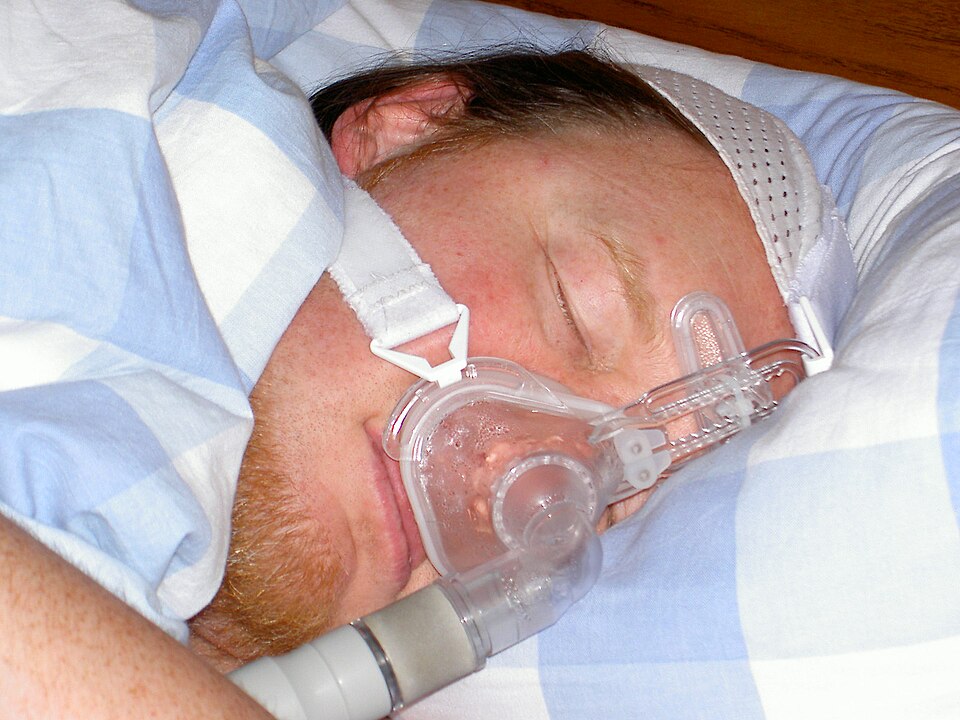
Obstructive sleep apnea occurs when muscles and tissues in the throat relax during sleep and block the airway. The National Council on Aging explains that while CPAP machines are the standard treatment, weight loss is often recommended alongside CPAP because it can reduce fat in the neck and tongue, helping keep the airway open.
GLP-1 receptor agonists, a class of drugs that includes tirzepatide, semaglutide, and liraglutide, appear to improve obstructive sleep apnea primarily by promoting fat loss in the neck, throat, and tongue. The review also examined how these drugs may affect breathing, muscle function, and inflammation to help explain the clinical results.
Tirzepatide was described as especially notable among GLP-1 drugs because it also acts on glucose-dependent insulinotropic polypeptide receptors, adding a second mechanism beyond standard GLP-1 action. Zepbound is already approved by the Food and Drug Administration to help treat sleep apnea, making it one of the few weight-loss drugs with that specific approval.
Despite the promising results, the researchers noted that CPAP remained the superior treatment. The review's authors were clear that patients should continue CPAP therapy until a physician has confirmed remission through a sleep study. The goal of the review was to synthesize available evidence to guide medical practice and identify areas for future research.
The search terms used covered GLP-1 receptor agonists and key sleep apnea outcomes, including the apnea-hypopnea index, upper airway neuromuscular function, and inflammatory pathways. Case reports were not included in the analysis.