The construction of artificial intelligence data centers across the United States is generating a wave of new business for the trucking industry, providing relief to a sector that has been squeezed by trade war tariffs and diesel fuel prices that hit an all-time high of $5.85 a gallon on Friday as a result of the Iran war.
Data centers require a massive volume of physical components to be moved before a single server ever powers on. HVAC systems, tubing, wiring, semiconductors, generators, transformers, and cooling systems all arrive primarily by truck, or by train and then truck. For freight companies navigating an uneven demand environment, AI infrastructure projects are providing a measure of stability.
"Against that backdrop, AI and data center activity presents an opportunity for fleets," said Patrick Brennan, senior vice president of fleet management solutions provider Cox Fleet. Overall freight demand is still uneven, he said, but AI is providing some needed stability. Equipment-led growth, whether for data centers or defense and semiconductor projects, is inherently more freight-generating, he said.
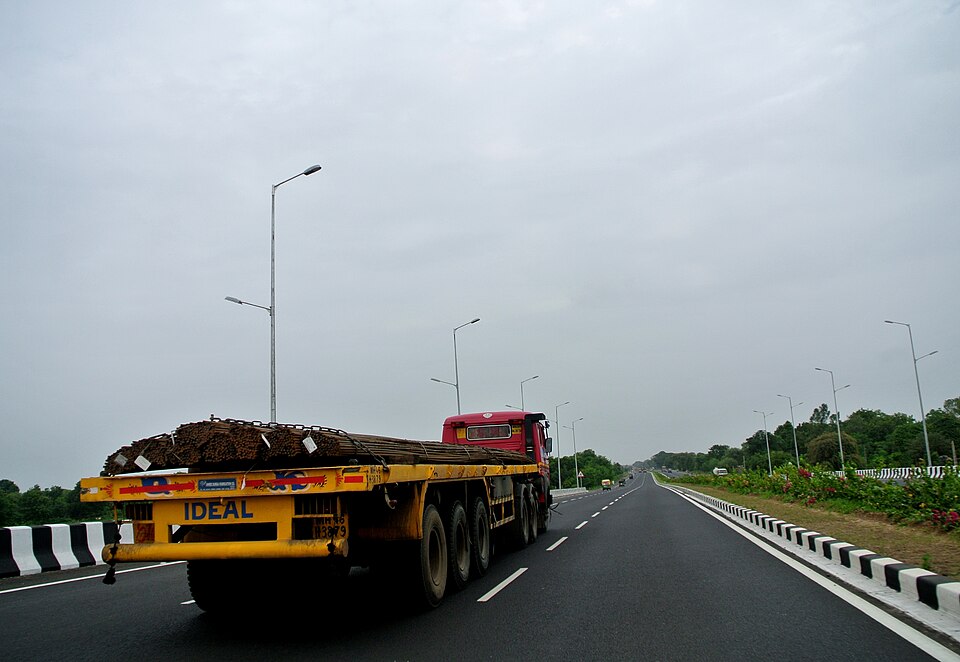
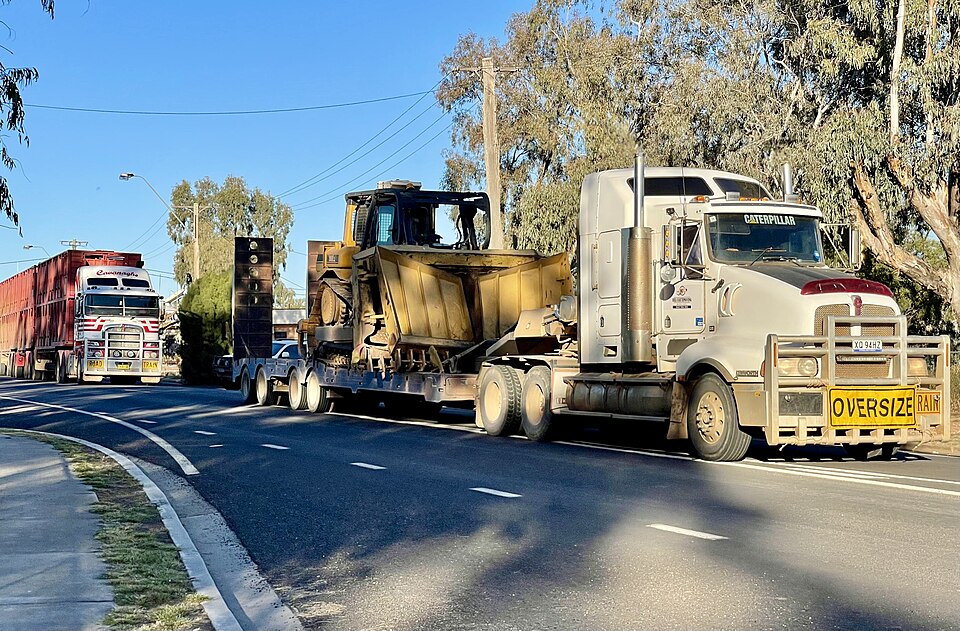
According to CNBC, the benefit is not spread evenly across the trucking industry. Flatbed and heavy-haul carriers are seeing the most concentrated gains, as those segments handle the large and heavy materials that data center construction requires.
"The effect shows up most in flatbed and heavy haul, where spot rates have hit multiyear highs this summer and capacity is tightest in construction-heavy markets," Brennan said. "Flatbed and heavy haul have been on an absolute tear since last year, and that's where demand from the buildout is most concentrated," he added.
The geographic footprint of data center construction is also changing where freight moves. Site location decisions for these projects are often driven by factors like power availability and land cost, which means many of the largest projects are being built in markets that were never traditional freight hubs.
"This reshapes routes as much as it adds volume," Brennan said.
The increased construction activity is also creating demand for workers beyond just truck drivers. Moving heavy equipment, generators, transformers, cooling systems, and construction materials requires CDL drivers, diesel technicians, fleet maintenance professionals, and logistics personnel.
"These projects require moving heavy equipment, generators, transformers, cooling systems, construction materials, and supporting infrastructure, which increases demand for CDL drivers, diesel technicians, fleet maintenance professionals, and logistics personnel," Brennan said.
The scramble for workers is hitting a labor pool that was already shrinking before AI construction projects added new pressure. The result is longer hiring timelines for specialized positions, more recruiting activity, and higher demand for maintenance capacity as fleets operate more intensively or add equipment to handle project-related freight. More miles driven also means more maintenance work.
Smaller trucking companies are also seeing a boost from the data center buildout, though tight cash conditions remain a challenge for companies without the balance sheet to add equipment quickly. Load-to-truck ratios have jumped as capacity tightens in the segments most connected to data center construction, which is pushing rates higher for carriers that can serve those lanes.
Treasury Secretary Scott Bessent's economic pressure campaign against Iran, which has pushed diesel prices to record levels, adds cost pressure that partly offsets the revenue gains from stronger freight demand. For smaller carriers especially, the combination of higher fuel costs and tight credit conditions makes it difficult to fully capitalize on the opportunity that data center construction is creating.