

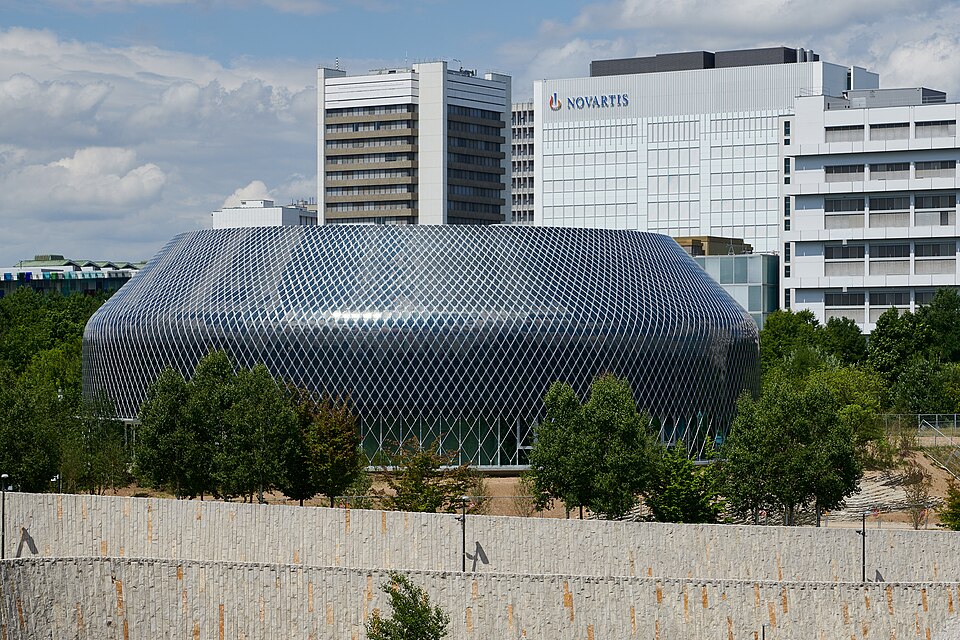
Shares of Novartis dropped significantly on Tuesday after the company announced that its del-desiran drug did not meet its goals in a major trial for patients with a muscle-wasting condition. The decline became the stock’s worst daily performance on record, as investors reacted to what became the third drug trial setback in just one week. Reuters reported that Novartis shares finished down 10.9%, wiping about $32 billion from the company’s market value.
This setback came during a global phase III study called HARBOR, which tested del-desiran in people with myotonic dystrophy type 1, according to CNBC. The trial did not show that the drug led to a meaningful improvement compared to a placebo when measuring hand opening time. Novartis said the study did not show a statistically significant improvement in video hand opening time, which was the trial’s primary endpoint. The company said there was evidence of clinical activity in some secondary endpoints and exploratory analyses.
Novartis said it will review all data from the HARBOR study and discuss next steps with health regulators.
Del-desiran is one of three antibody oligonucleotide conjugate therapies that Novartis added to its neuromuscular pipeline after acquiring Avidity Biosciences for about $12 billion.
Despite the recent disappointment, the company still expects its overall sales to grow by five to six percent annually through the year 2030. Novartis reaffirmed that guidance after announcing the HARBOR results.
However, some financial experts questioned whether that projection is realistic in light of recent developments.
Novartis has had some success in other areas recently, including a positive late-stage trial for its remibrutinib drug in treating relapsing multiple sclerosis. The company reported on September 1 that remibrutinib significantly reduced relapse rates compared with teriflunomide in two phase III studies.
Still, analysts at Jefferies said that without del-desiran and another drug called del-brax, it will be difficult to have confidence in the company’s growth prospects for the 2030s. The analysts said further dealmaking may remain important to Novartis’s longer-term growth plans.
Barclays analysts noted that del-desiran and pelacarsen together were expected to represent around $5 billion in potential sales after accounting for risk factors.
They also emphasized that del-desiran had been a key test case for the $12 billion Avidity acquisition, and its failure raises concerns about the value of that deal.
These analysts believe Novartis’s stock may underperform in the near term, and they questioned whether the company's current market premium is justified. Barclays said the company’s roughly 20% premium to the sector could now be questioned.
The company has not yet decided what further development path it will pursue for del-desiran. Novartis said it will analyze the complete HARBOR data and work with health authorities to determine the most appropriate path forward.
Analysts continue to watch closely as Novartis navigates its strategy for maintaining growth amid challenges in key drug programs.
The recent problems extend beyond del-desiran. Novartis announced on September 4 that pelacarsen failed to reduce cardiovascular events in its phase III Lp(a)HORIZON trial. A week earlier, the company disclosed that it had paused eight trials of its experimental rap-cel cell therapy after three patients died following severe immune reactions.