

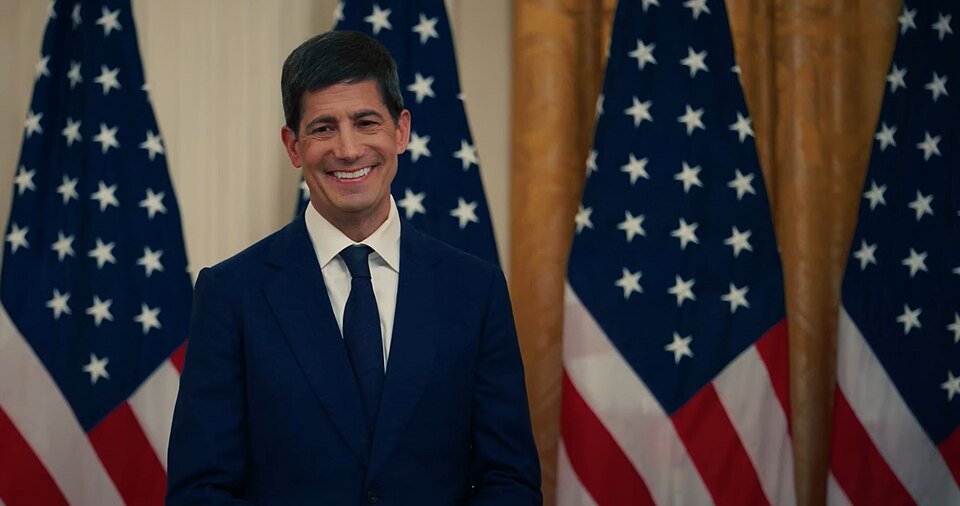
The Federal Reserve has raised interest rates for the first time since 2023, marking a significant policy shift after years of inflation concerns. Kevin Warsh, who recently took over as chair of the Fed, led the move to increase the federal funds target range from 3.5%-3.75% to 3.75%-4%, a quarter-point increase. This action comes after inflation has remained above the Fed’s target of 2% for about five years and amid strong economic and labor-market data.
The decision was unanimous among Fed policymakers, with officials signaling that another rate increase may come before year-end, according to NBC News. Warsh emphasized that inflation remains too high and has persisted for too long, calling it a key reason for the move. New Fed projections showed that 16 of 18 policymakers expect at least one more quarter-point increase before the end of 2026.
Core PCE inflation, a measure closely watched by the Fed, was 3.3% in July compared with a year earlier. Earlier in the year, investors had expected rate cuts, but expectations shifted toward higher rates as inflation and energy prices rose. The hike follows a wave of rising prices, especially in energy, due to global conflicts such as the war in Iran that began in late February.
Gas prices have risen by more than $1 a gallon compared to a year ago, contributing to the overall inflationary pressure. The Fed uses interest rates as a tool to slow economic activity and reduce price increases, impacting loans like mortgages and car payments. AAA put the national average for regular gasoline at about $4.37 a gallon on September 16, compared with about $3.19 a year earlier.
Warsh noted that while the Fed cannot control individual prices such as oil or groceries, it must ensure inflation moves toward its goal at a clear pace. The rate increase was widely expected in financial markets, with futures assigning a high probability to a quarter-point hike before the announcement. Reuters reported a 94.5% market-implied probability one day before the decision.
At Jackson Hole in late August, Warsh pointed out that more than half of the components in the PCE price index had risen over 3% in the past year. He has also refused to offer forward guidance, preferring internal debate and decisions based on incoming data rather than early predictions. Warsh said 54% of the 199 components of the PCE index had risen more than 3% during the previous 12 months.
The Fed’s statement did not include hints about future policy steps, leaving markets uncertain about the path ahead. August consumer prices rose 0.4% from the prior month and 3.4% from a year earlier, adding to concerns about persistent inflation.
The Fed’s latest available core PCE reading was 3.3% from a year earlier, indicating that underlying price pressures are still strong. Trump officials have argued that artificial intelligence investments will boost productivity and help reduce inflation over time. Strong AI-related investment is also increasing demand for capital equipment and infrastructure. Import prices for capital goods rose 0.9% in August.
Economists are still debating how quickly AI will translate into broad productivity gains. Treasury yields rose after the Fed decision, especially at shorter maturities. The two-year Treasury yield climbed 7.5 basis points after the announcement.
Ahead of the rate increase, the yield on the 10-year Treasury note hit a 19-year high above 5% earlier this week. Warsh attributed recent increases in bond yields to three main factors: economic strength, global conflicts, and competition for capital from AI companies. He said that economic resilience played a role in pushing up yields, as did geopolitical tensions in regions like Iran and Ukraine.
The third factor was the growing demand for capital from firms investing in artificial intelligence technologies. Market indexes reacted negatively to the announcement, with major stock indices reversing earlier gains and ending lower for the day.
The Nasdaq Composite ended essentially flat, while other major indexes saw declines after the Fed’s decision. The Dow Jones Industrial Average fell 1.21% and the S&P 500 fell 0.44%. President Donald Trump criticized the rate increase in a post on Truth Social, calling for interest rates to be kept at 1% or less. Trump also took aim at the U.S. trade deficit and said that the country is carrying too many nations in global affairs.
Separately, Trump has urged voters to support Republicans in the upcoming midterm elections and has promised a $5,000 “Trump dividend” if Republicans retain control of Congress. Public Citizen criticized the proposal as an attempt to buy votes, while some Republican lawmakers have raised concerns about its cost. Reuters estimated that payments of that size to U.S. adults would cost at least $1.2 trillion. U.S. national debt crossed $40 trillion in August.
Warsh was asked about his message to the president regarding the rate hike but declined to discuss any conversation directly. The Fed’s decision shows that inflationary pressures remain significant despite earlier hopes for a slowdown in price increases.
It also reflects the influence of global events and energy markets on domestic economic policy decisions. The rate hike marks a turning point in how the Fed is responding to persistent inflation, and all 12 voting members of the FOMC supported it.
At the Fed’s July meeting, three policymakers dissented because they wanted a quarter-point rate increase at that time. In September, the vote to raise rates was unanimous. The move signals that the Fed is taking steps to bring inflation back to its long-term target of 2%.
It also suggests that the central bank is preparing for a more active role in managing economic conditions rather than waiting for further signs of improvement.