

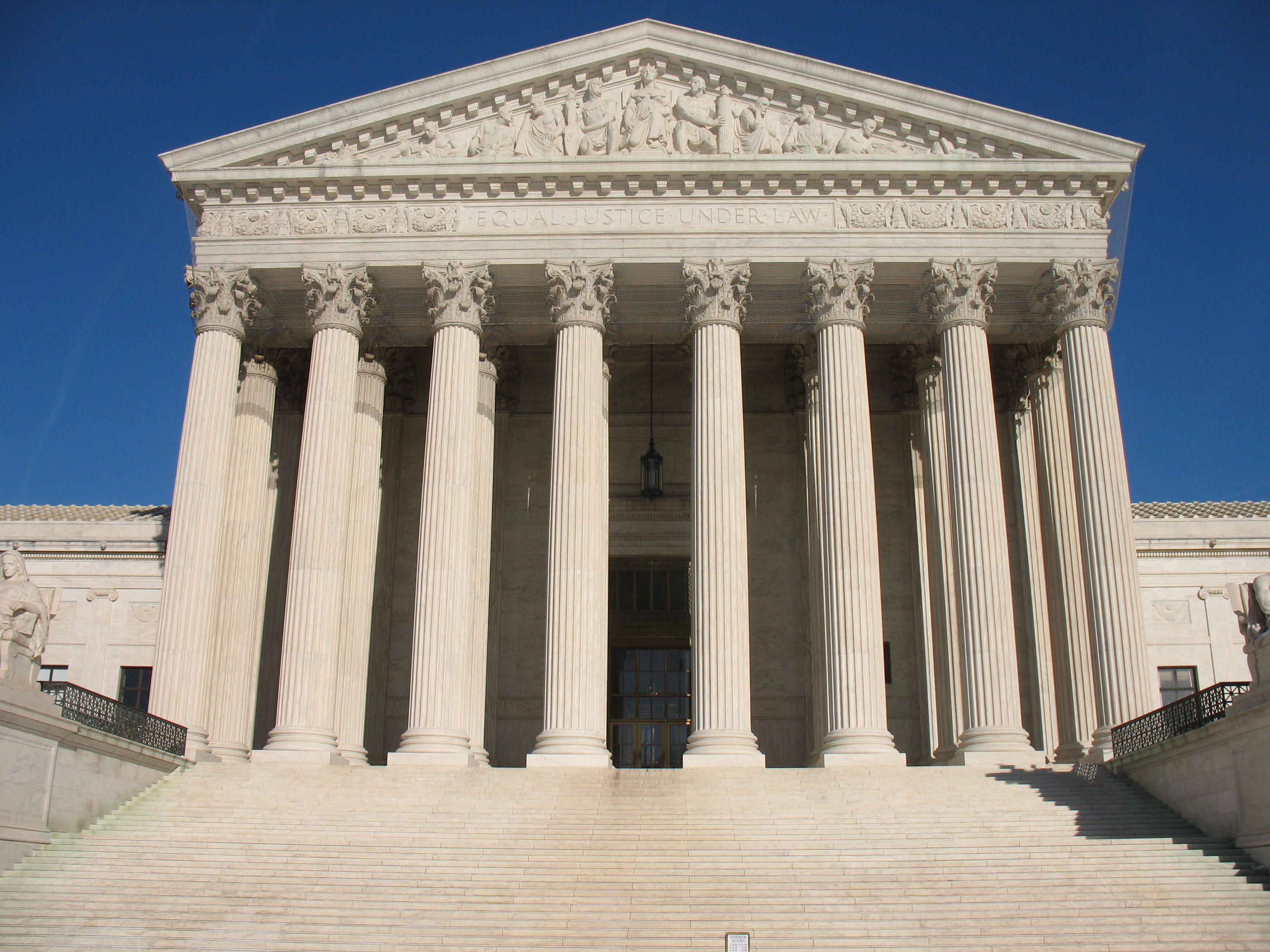
The Supreme Court on Friday allowed changes made by the Trump administration to a federal database system used for verifying citizenship status. The decision came in response to the administration’s request to put a lower-court ruling on hold while litigation continues.
The ruling was unsigned. The three liberal justices dissented, making the result effectively 6-3.
The system in question is known as SAVE, or the Systematic Alien Verification for Entitlements, and it was redesigned by the Department of Homeland Security last year. The changes connected Social Security Administration records to the system and expanded its ability to conduct bulk citizenship checks.
A federal district judge had blocked the expanded system in June. Judge Sparkle Sooknanan ruled that the changes violated the Social Security Act, the Privacy Act and the Administrative Procedure Act. A federal appeals court later declined to suspend her ruling.
The Trump administration then asked the Supreme Court to intervene. The Supreme Court granted that request and put the lower-court order on hold.
The majority said federal law expressly permits the Department of Homeland Security to request and receive information related to citizenship and immigration status from other federal agencies. The Court also said DHS has an obligation under federal law to respond to state and local officials seeking citizenship information.
James Percival, general counsel at the Department of Homeland Security, praised the Supreme Court action in a social media post. He said the government should be able to use federal data to help states determine whether noncitizens are registered to vote.
Advocacy groups who sued to stop the system said it has led to some people being wrongly identified as noncitizens and threatened with removal from voter rolls. The overall error rate of the new SAVE system is not publicly available, but some election officials have raised concerns about its accuracy.
In their Supreme Court filing, the groups cited a Travis County, Texas, election official who said about 25% of the people initially flagged as possible noncitizens there had records indicating they had provided proof of citizenship. Later reviews confirmed that some of the flagged voters were U.S. citizens.
The groups also cited news reports finding that at least 81% of the system’s responses examined in St. Louis County, Missouri, were incorrect.
The League of Women Voters and the Electronic Privacy Information Center were among the organizations that filed suit in September 2025. The groups argued that the federal government’s actions violated privacy laws and threatened the right to vote.
The Trump administration disputed those claims. It argued that access to the expanded database would help states identify people who are not legally eligible to vote.
States are not required to use SAVE. Participation in the program is voluntary.
Justice Ketanji Brown Jackson wrote a dissent joined by Justices Sonia Sotomayor and Elena Kagan. Jackson said the lower court had correctly found that the changes likely violated federal privacy laws.
She also said inaccurate citizenship data could create problems for recently naturalized U.S. citizens. Jackson argued that the risk of burdening or disenfranchising eligible voters outweighed the harm to the government from temporarily keeping the expanded system blocked.
The ruling does not itself remove anyone from a voter roll. State and local election officials remain responsible for voter-list maintenance under applicable federal and state laws.
Federal law also generally prevents states from conducting systematic voter removals within 90 days of a federal election. That rule limits how the database can be used for broad voter-list maintenance shortly before the November midterm elections.
The Supreme Court’s action is temporary and does not settle the underlying lawsuit. The legal challenge over the SAVE changes can continue in the lower courts.
The case is one of several disputes over the Trump administration’s efforts to increase the federal government’s role in checking citizenship and voter eligibility ahead of the 2026 midterm elections.