

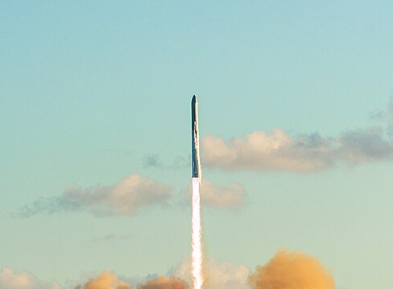
SpaceX is continuing its efforts to develop the Starship spacecraft, with recent test flights demonstrating both progress and technical difficulties. The latest completed flight test on July 24 brought the vehicle closer to full functionality but also revealed areas requiring further work. Engine relights and heat-shield performance were key focus points during the most recent trial.
The Starship project is part of SpaceX’s broader goal to enable human travel to Mars and beyond. Engine tests have shown progress in some areas but engineers are still addressing heat-shield performance and booster landing systems. The vehicle’s design includes reusable components that aim to reduce the cost of space travel significantly.
SpaceX is now targeting September 28 for Starship Flight 14 from Starbase in Texas.
SpaceX has conducted several test flights in recent months, each one building on data from previous attempts. Flight 13 successfully deployed 20 Starlink V3 satellites on a suborbital trajectory and completed an in-space Raptor relight. Starship then made a controlled soft splashdown in the Indian Ocean.
The Super Heavy booster had a harder return. Five engines failed to relight for its landing burn and the booster struck the Gulf of Mexico at higher speed than planned. SpaceX says Flight 14 will attempt Starship’s first orbital mission and deploy 26 Starlink V3 satellites.
The company has not yet announced a specific date for the first crewed mission using Starship.
The Starship’s ultimate goal is to carry astronauts and cargo to the Moon and Mars and other destinations in deep space. The company’s long-term vision includes a fully reusable transportation system that could change the future of space exploration. NASA is also working with SpaceX on a Starship Human Landing System for Artemis missions.
Engineers are working to resolve issues related to material stress and thermal protection during re-entry. Recent tests have highlighted the complexity of building a spacecraft capable of interplanetary travel. Each test flight provides engineers with valuable feedback on how the vehicle behaves under real-world conditions.
SpaceX has also been working closely with regulatory bodies to ensure safety standards are met throughout development. SpaceX’s development timeline includes multiple test flights before full operational readiness. SpaceX’s long-term strategy includes using Starship for both commercial and government space programs.