

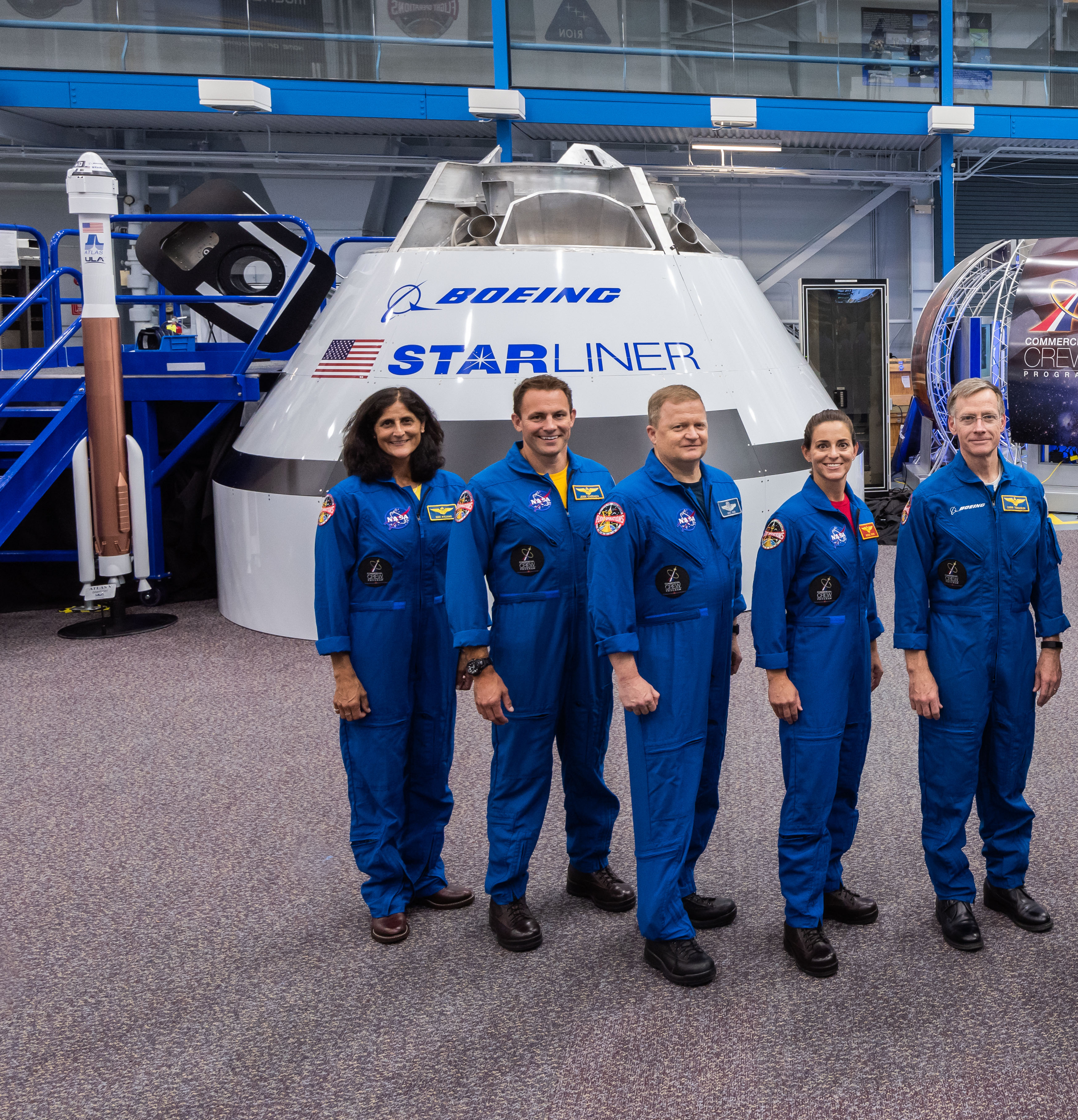
NASA and Boeing have released an update on the progress of the Starliner spacecraft, outlining plans for additional missions and certification steps. The agency announced it intends to exercise options for a fifth and sixth flight to the International Space Station using Starliner. NASA Administrator Jared Isaacman described the current period as one of the most exciting eras in space exploration since the Apollo missions.
He emphasized that the growing demand for launch vehicles and spacecraft requires continued development of crew transportation capabilities, according to NASA. The agency has committed to having multiple crew transportation options since the start of the Commercial Crew Program. A key part of the plan involves certifying a new rocket, the Vulcan, for crew transportation after the Atlas V rocket completes its final flight.
Isaacman said that the first step will be an uncrewed Starliner-1 mission to the space station. This mission is meant to validate improvements made to the spacecraft and collect flight data needed for certification. NASA and Boeing will use the information gathered to implement corrective actions identified by their Program Investigation Team.
The work is challenging but necessary for ensuring continued access to space and transitioning operations to commercial stations.
In February, NASA released findings from its Program Investigation Team regarding issues that occurred during the first crewed Starliner mission in 2024. The investigation identified a total of 61 recommendations for NASA to improve future missions and meet human spaceflight standards.
Specifically, the report highlighted problems with Starliner’s service module reaction control thrusters operating outside their engineering limits. The thruster problems caused a temporary loss of full control as Starliner approached the station. NASA later decided to return the spacecraft without its crew after reviewing the propulsion problems and flight data.
Through extensive testing and analysis, NASA and Boeing determined that the thruster problems stemmed from a combination of thermal conditions and design features. Boeing has since made modifications to the spacecraft’s service module to improve thermal performance, which NASA will evaluate. Both organizations also agreed on an additional design change for the thruster valve to support certification and future crewed flights.
The uncrewed Starliner-1 mission could launch as early as December of this year or January 2027. This engineering evaluation mission will verify improved thermal conditions and collect performance data needed for system qualification. NASA's current plan calls for astronauts to return aboard Starliner-2 by 2028.
Dana Weigel, manager of NASA’s Low Earth Orbit Program, said Starliner’s next flight is a key step toward full system certification. She emphasized that safety for astronauts and the public remains the top priority throughout testing and operations.
After the flight, both agencies will finalize the thruster valve design modification to address issues with poppet seal extrusion. Boeing is also implementing other improvements, including new crew module thrusters, updated batteries, and modifications to the parachute system. These changes are intended to increase performance and reliability in support of spacecraft certification.
The Starliner spacecraft has not flown since its troubled crewed test flight in 2024, which led to two astronauts spending 286 days in space before returning on a SpaceX Dragon, according to a report from Scientific American.
That mission, named Calypso, was supposed to be an eight-day stay for astronauts Butch Wilmore and Suni Williams. NASA has now outlined a path forward to revive the program after these setbacks.