

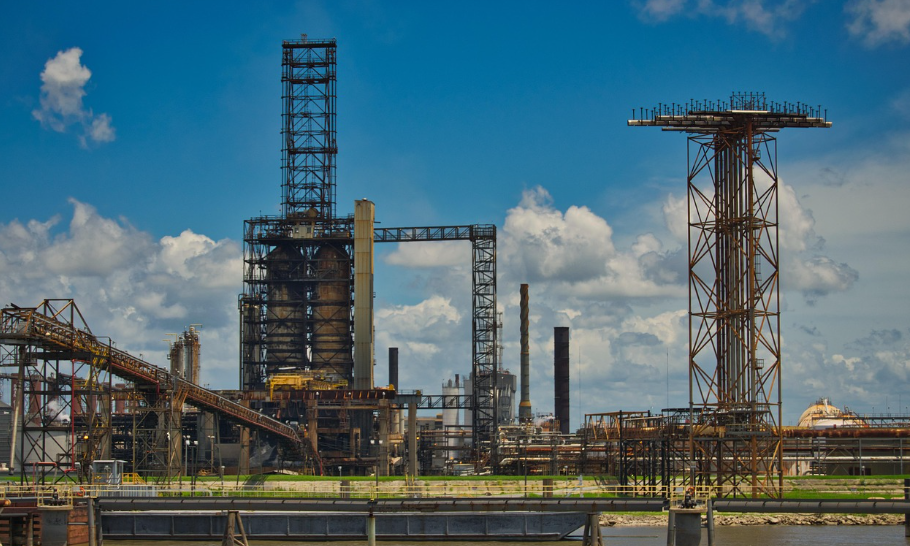
Chevron's chief executive officer Mike Wirth voiced strong opposition to a proposed ban on diesel exports and emphasized the importance of maintaining steady global fuel supplies. He pointed out that the world currently relies heavily on reliable energy sources especially during times of heightened demand. The company has been a consistent supplier to global markets helping meet needs when they are most critical.
Petroleum exports play an important role in global energy markets and can affect fuel prices both in the United States and overseas. The United States exports crude oil and refined products such as diesel and gasoline to countries that depend on foreign supplies. Restricting these exports could increase domestic fuel supplies in the short term but may also disrupt international markets and raise prices in regions that rely on American fuel. Diesel is especially important because it powers trucks and agricultural equipment as well as ships and industrial machinery. Fuel prices are influenced by global oil production and refinery capacity along with transportation costs and geopolitical conflicts. A diesel export ban could also reduce incentives for U.S. refiners to produce fuel and potentially push prices higher in some American markets.
This support is particularly important as nations face energy challenges and seek stable supplies. Wirth warned that an export ban could make fuel shortages worse and raise diesel prices in some parts of the United States.
President Donald Trump had previously considered a diesel export ban but has since shifted course after G7 countries agreed to release emergency fuel reserves according to CNBC. The president also expanded the use of red-dyed diesel which is typically used for off-road applications like farming and construction equipment. This move was part of a broader effort to reduce high fuel prices that have affected consumers across the country.
Chevron's CEO noted that global oil inventories began the year at high levels. These reserves provided some buffer against supply disruptions in the short term. However those buffers have now been significantly reduced due to ongoing demand and usage.
Looking ahead he expressed optimism about the potential role Venezuela could play in a more secure global energy system. He added that Venezuela has not seen much investment in its energy infrastructure in recent years. Despite this he believes the country could contribute to long-term energy stability if development efforts increase.
Chevron plans to invest $7 billion in Venezuela and increase production to 600,000 barrels per day by 2031.
The comments were made during an interview with CNBC with additional reporting from Anniek Bao and Spencer Kimball.