

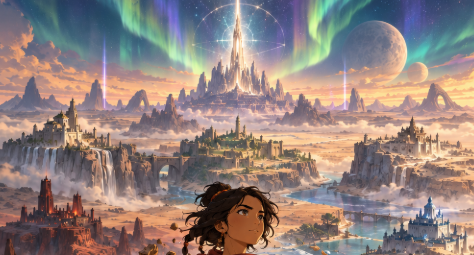
It has been more than two decades since the creators Michael Dante DiMartino and Bryan Konietzko introduced audiences to the world of Avatar, where bending elements shaped a rich and immersive universe. After a long wait, the series has returned with Seven Havens, offering a new Avatar story and a fresh perspective on the franchise. The first six episodes have been released to critics, and they offer a strong start with compelling narratives and well-developed characters.
The first three episodes premiered on Paramount+ on October 9.
Some early issues include a tone that feels more childish than expected, as well as animation that lacks the polish of previous installments. However, these minor flaws do not detract from the overall quality of the show, which remains deeply engaging and emotionally resonant. The story is set 225 years after The Legend of Korra, in a world where the balance between nations has shifted dramatically, according to TheWrap.
In this new setting, the population lives within seven fortified havens that protect them from climate-related disasters and extreme weather. The main character is Pavi, a young earthbender who lost her leg and now uses a wooden prosthetic. She has little memory of her early life, but she’s made close friends with creatures like bugs and rocks, and she often sneaks around the stronghold of Ellora.
Pavi can bend all four elements with ease, but she keeps her abilities hidden because the world no longer accepts Avatars. Eventually, Pavi meets her twin sister Nisha, who is also an earthbender but has a more serious and hardened personality. Together, they must uncover the truth about their past, their parents, and why they struggle to remember events before the time of Ellora.
One major plot point involving their relationship is kept under wraps, but it significantly impacts the Avatar’s role in this world.
Another key character is Jae, an airbender who belongs to a group called the Brigade at Ellora. The Brigade is made up of young benders trained to defend the havens, but there are fewer benders born each generation. Jae’s initial belief about Avatars is challenged when he meets Pavi, who proves to be kind and protective of even small creatures.
The show’s animation style has drawn attention, especially compared to previous Avatar series. It is less detailed than earlier seasons and lacks some of the visual richness that fans expect. Despite this, the visuals are still visually striking, especially with vibrant auroras and desert landscapes inspired by French artist Mœbius.
As the series progresses, it becomes clear that the animation issues are less noticeable when focusing on the story and world-building. The show manages to balance complex themes with clear storytelling, making it easy for viewers to follow along. Each episode adds layers to the overall mystery, introducing new events like spiritual disturbances and raids by outside groups.
The series also includes subtle references to earlier Avatar lore, helping longtime fans feel connected to the universe. Even with major obstacles, the tone remains light and playful in a way that feels true to the Avatar universe. Characters like Karthik, the Brigade captain who acts as a mentor figure, add depth and warmth to the story.
The writing team is led by Sehaj Sethi, and the voice cast includes predominantly Asian actors. This marks a significant improvement over earlier seasons, which lacked diversity in their creative teams. The creators have long drawn from Asian and Indigenous cultures, so this shift toward representation feels natural and important.
Overall, the show sounds impressive, with strong performances and a promising direction for its future episodes.