

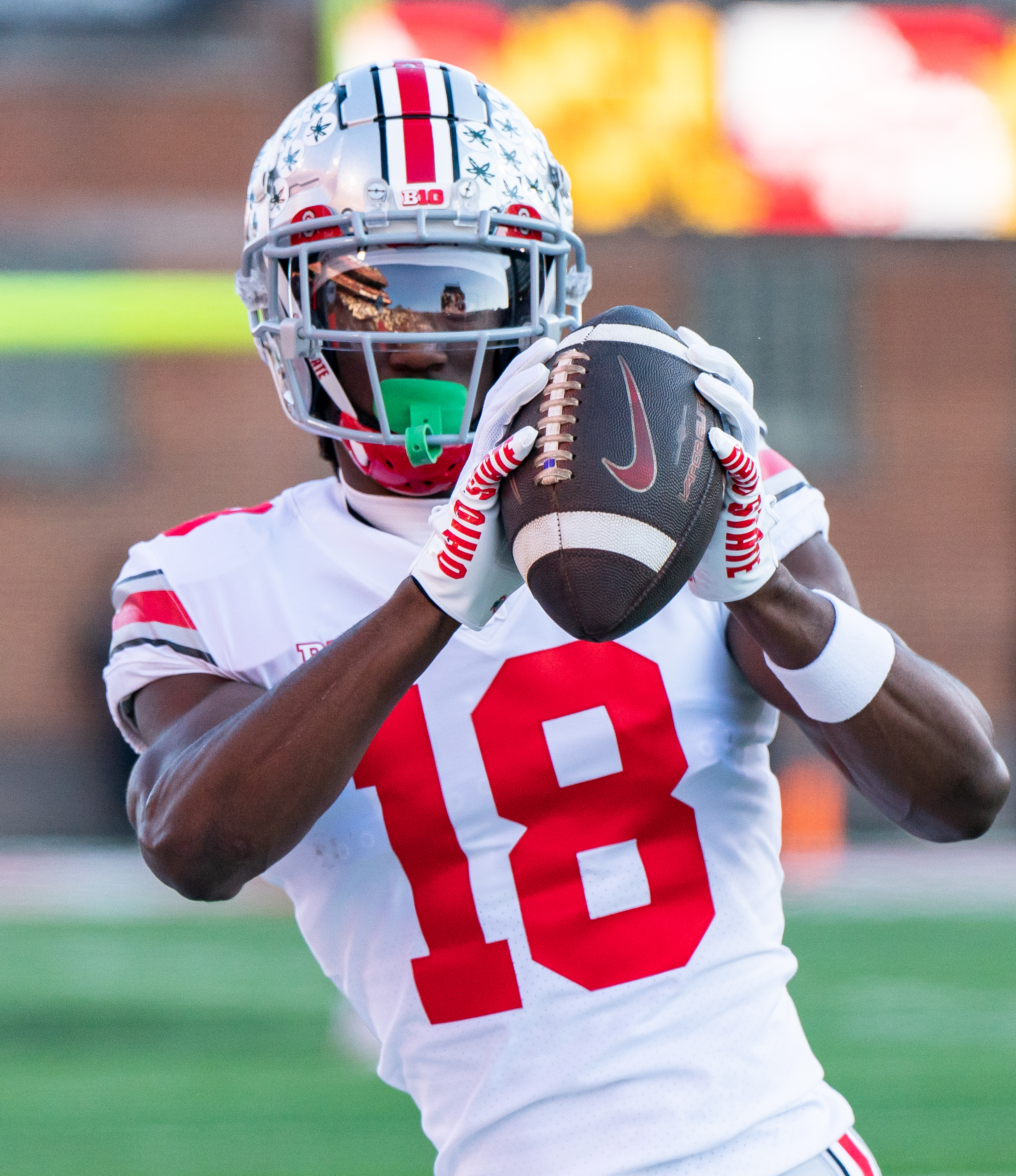
The Arizona Cardinals are trading wide receiver Marvin Harrison Jr. to the Houston Texans in a major NFL deal confirmed Sunday, October 11, 2026. Houston will receive Harrison and a 2027 seventh-round draft pick in exchange for second- and sixth-round selections in the same draft. The move ends Harrison's time in Arizona less than three seasons after the Cardinals selected him fourth overall in the 2024 NFL Draft.
The trade reunites Harrison with Texans quarterback C.J. Stroud, his former teammate at Ohio State. It also gives Houston another receiving option after a difficult start to the 2026 season, while Arizona moves forward without one of its most highly regarded recent draft selections.
Houston head coach DeMeco Ryans confirmed the acquisition following his team's 26-3 victory over the Tennessee Titans on Sunday. When reporters repeatedly asked about the deal, Ryans finally acknowledged that the team had traded for Harrison before leaving his news conference.
The reported compensation was confirmed by NFL Network and ESPN, although the Cardinals had not issued a formal transaction announcement as of Sunday evening. Harrison did not play in Arizona's 45-21 loss to the Detroit Lions because the trade was being completed.
Cardinals Move On From Former Top Draft Pick
Harrison arrived in Arizona with considerable expectations following an outstanding college career. The Cardinals selected him with the fourth overall pick in 2024, hoping he would become a leading receiver and a long-term centerpiece of their offense.
His rookie season showed promise. Harrison caught 62 passes for 885 yards and eight touchdowns in 2024, demonstrating the size, route-running ability and scoring potential that made him a highly regarded prospect.
His production declined during his second season. He recorded 41 receptions for 608 yards and four touchdowns in 2025 while dealing with injuries and appendicitis that limited him to 12 games.
The 2026 season brought further struggles. Through four games, Harrison had caught just five passes for 85 yards and one touchdown, an unexpectedly small contribution from a former top-five selection.
Several Arizona teammates had become more prominent in the passing game. Tight end Trey McBride and receivers Michael Wilson and Kendrick Bourne received more targets, while rookie running back Jeremiyah Love also moved ahead of Harrison in that category.
Across 33 appearances with the Cardinals, Harrison totaled 108 receptions, 1,578 receiving yards and 13 touchdowns. Those numbers demonstrated his ability to contribute but fell short of the consistent production Arizona expected when it invested such a high draft pick.
The trade followed several weeks of speculation about Harrison's future. Reports had linked him to potential destinations around the league, including Indianapolis, where his father spent his Hall of Fame career.
Arizona coach Mike LaFleur said the organization believed trading Harrison was in the team's best interests. He also accepted some responsibility for the receiver's disappointing production, saying coaches must share accountability when players fail to reach their potential.
LaFleur emphasized that he respected Harrison personally and wished him success. He rejected the suggestion that uncertainty surrounding the trade was responsible for Arizona's loss to Detroit.
Cardinals quarterback Jacoby Brissett acknowledged that losing a teammate was difficult regardless of the business considerations involved. He said players had relationships with Harrison beyond football and that many would continue supporting him.
Harrison Reunites With C.J. Stroud
The most compelling element of Harrison's move to Houston is his connection with Stroud. The two played together at Ohio State during the 2021 and 2022 seasons and developed a productive relationship in the Buckeyes' passing offense.
Harrison became one of college football's leading receivers while catching passes from Stroud. During the 2022 season, he recorded 77 receptions for 1,263 yards and 14 touchdowns, helping establish himself as a future first-round NFL prospect.
Stroud entered the NFL in 2023 when Houston selected him second overall. Harrison remained at Ohio State for another season before Arizona drafted him the following year.
Their reunion offers an opportunity to rebuild the connection they developed in college. Familiarity with a quarterback's timing and throwing preferences can be valuable, although success against NFL defenses will depend on Harrison adapting to Houston's offensive system.
The Texans already have an established leading receiver in Nico Collins. Harrison could provide another outside receiving threat, giving opponents an additional player to defend and potentially reducing the attention directed toward Collins.
Houston has also dealt with injuries at wide receiver. Tank Dell recently returned to practice, creating the possibility that the Texans could eventually have several receiving options available together.
Harrison's presence could help Houston in the red zone, where his size and ability to compete for contested catches offer another scoring option. However, his limited production this season means the Texans are acquiring a player whose professional performance has not consistently matched his college reputation.
Houston Makes Move After First Victory
The Texans completed the trade during a challenging start to the season. Their victory over Tennessee on Sunday improved their record to 1-4, ending an 0-4 opening stretch.
The 26-3 win gave Houston a needed result after a series of disappointing games. Acquiring Harrison immediately afterward demonstrated the organization's willingness to invest in its current roster despite those early struggles.
According to the Houston Chronicle, the Texans had previously approached Arizona about Harrison but did not reach an agreement on their initial offer. Discussions eventually produced a deal involving two Houston draft selections and one Arizona pick.
The compensation is notable because Harrison was selected fourth overall only two years ago. Arizona is now receiving a second-round pick as the primary return for a player once expected to become a franchise cornerstone.
Houston is taking a different approach by betting that Harrison's ability and existing relationship with Stroud can help him become more productive. The move carries risk because his development has been uneven, but it gives the Texans access to a young receiver with substantial college credentials.
Harrison is also entering an important period in his rookie contract. Houston will inherit his remaining contractual obligations, and the team faces a decision about exercising his fifth-year option during the coming offseason.
That option could provide Houston with another year of contractual control beyond the original four-year agreement. The decision will depend partly on how the Texans evaluate Harrison's long-term role and financial value.
Trade Marks Rare Early Departure
Moving Harrison so soon after his selection is unusual for a receiver drafted among the NFL's first five picks. CBS Sports reported that he is the first player at the position since Ahmad Rashad in 1974 to be traded within his first three professional seasons after being selected that early.
The comparison illustrates how quickly Arizona's plans have changed. Harrison was once viewed as a major building block, yet the Cardinals chose to exchange him for future draft capital before the midpoint of his third season.
For Arizona, the additional selections offer opportunities to address other roster needs. The Cardinals must also determine how to distribute Harrison's former responsibilities among McBride, Wilson and the remaining offensive players.
Houston faces a different challenge. Its coaches must integrate Harrison into the passing game while helping Stroud and the offense recover from a slow start.
The Texans have made a significant investment in Harrison's potential rather than his recent production. His reunion with Stroud offers a familiar starting point, but whether the partnership can reproduce its college success will be determined by what happens on the field.
With the NFL trade deadline scheduled for November 10, Houston has made an early move that could shape its offense beyond the 2026 season. Harrison's immediate task is to learn his new team's system and establish a meaningful role alongside Stroud and Collins.