

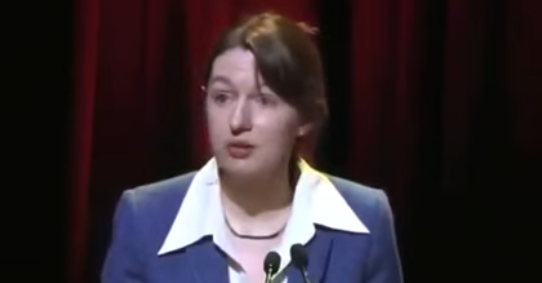
Irish novelist Sally Rooney’s books are being withdrawn from sale in the United Kingdom after her publisher announced it could no longer legally pass on earnings from her work. The decision, confirmed Wednesday, October 14, 2026, follows Rooney’s public commitment to financially support Palestine Action, a protest group banned under British counterterrorism laws.
Publisher Faber said it had reached the decision with Rooney’s full agreement after reviewing the legal consequences of continuing to distribute her books. The company will stop supplying new copies in Britain across all formats but will continue selling her work in other countries.
Existing physical copies have not been ordered off bookstore shelves, meaning readers may still find some of Rooney’s novels in British shops. However, retailers will no longer receive additional stock from Faber, and digital editions have already been withdrawn from UK sales.
The announcement affects one of Ireland’s most successful contemporary novelists. Rooney is best known for Normal People, Conversations with Friends, Beautiful World, Where Are You and her latest novel, Intermezzo.
The publisher explained that British legislation had created a situation in which it could not transfer earnings from UK book sales to the author.
"To sell a writer’s work and not be able to pass on earnings is an unconscionable situation for a publisher," Faber said in its official statement.
The company emphasized that it remained proud to publish Rooney’s books. Its decision concerns distribution within the United Kingdom rather than a worldwide termination of their publishing relationship.
Rooney, 35, said she had been aware of the possible consequences of her political position. In a statement released Wednesday, she explained that she had consulted with her publisher before agreeing to stop the supply of her books.
"I have made every effort to be honest with the public about my beliefs and intentions, and I am wholly prepared to accept the consequences," Rooney said.
The controversy began after the British government formally proscribed Palestine Action as a terrorist organization on July 5, 2025. The designation made membership of the organization and certain forms of support criminal offenses under the Terrorism Act 2000.
Palestine Action is a direct-action protest organization that campaigns against companies and facilities it associates with supplying weapons to Israel. Its activities have included demonstrations, occupations and property damage targeting military-related businesses.
The British government justified the ban by citing the organization’s activities, including a June 2025 incident at RAF Brize Norton. During that incident, activists entered the Royal Air Force base and damaged military aircraft in protest against British military support for Israel.
Supporters of the ban argue that deliberate attacks on military facilities and equipment require a serious response. Civil liberties organizations have challenged the use of counterterrorism legislation against a protest movement, raising concerns about freedom of expression and the right to demonstrate.
Rooney publicly criticized the proscription in August 2025. She said she intended to use proceeds from her books and television adaptations to continue supporting Palestine Action despite the British government's designation.
The organization is not proscribed in the Republic of Ireland, where Rooney lives. That difference between the two countries’ laws has become central to the dispute involving her publishing income.
According to Reuters, Rooney’s financial commitment created legal complications for Faber because payments connected to a proscribed organization could expose those involved to prosecution. The publisher determined that it could no longer transfer UK earnings to Rooney under the existing circumstances.
The issue extends beyond whether booksellers can display her novels. It also affects the financial arrangements that allow a publisher to compensate an author through royalties from sales and other publishing rights.
Rooney had already expressed concerns about entering Britain following her statements about Palestine Action. In 2025, she canceled a planned trip to accept a Sky Arts Award for literature, citing fears that her support for the organization could expose her to arrest.
Her novel Intermezzo received the literary honor. Published in 2024, the book follows two brothers dealing with grief, complicated relationships and the death of their father.
Rooney’s popularity has grown significantly since the publication of Conversations with Friends in 2017. Her second novel, Normal People, released in 2018, became an international bestseller and was adapted into a television series in 2020.
The acclaimed adaptation starred Paul Mescal and Daisy Edgar-Jones. It received four Primetime Emmy nominations, including recognition for Mescal’s lead performance and the show's writing.
Rooney has sold more than six million books worldwide, including approximately 2.3 million in Britain, according to NielsenIQ BookData figures reported by the BBC. Her substantial British readership means the distribution decision could affect many customers seeking new copies of her work.
The legal dispute over Palestine Action has also produced thousands of arrests across Britain. Reports on October 14 indicated that more than 3,700 people had been arrested for alleged support of the organization since its designation in July 2025.
Approximately 2,500 people had been charged, according to reporting on the continuing legal proceedings. Those cases have been affected by litigation challenging the validity of the government’s decision to ban the organization.
In February 2026, the High Court ruled that the proscription was unlawful. A subsequent appeals court decision reversed that outcome in June, leaving the ban in effect while the dispute continued through the British legal system.
The UK Supreme Court is scheduled to consider the legal challenge in November 2026. Its decision could have implications for the government's use of counterterrorism legislation and the prosecutions connected to public support for Palestine Action.
Human rights advocates have argued that the law could discourage lawful political expression, particularly when demonstrations involve statements of support rather than violent acts. The government has maintained that its decision is justified by the organization’s activities.
The case has also raised questions within the publishing industry about how authors and publishers should handle royalties when political commitments intersect with restrictions on financial support for banned organizations.
For Rooney, the immediate result is the suspension of new UK distribution of her novels. Faber has not announced when supplies might resume, and there is no confirmed timetable for resolving the publishing arrangements.
The company will continue selling her books outside Britain while the legal proceedings continue. The next major development is expected in November, when the Supreme Court considers the challenge to Palestine Action’s proscription.