

Government failures left care home residents and workers dangerously exposed during the Covid-19 pandemic, according to a major public inquiry published on October 20, 2026. The investigation found that inadequate planning, shortages of protective equipment and failures surrounding hospital discharges helped create conditions in which the virus spread rapidly through care facilities across the United Kingdom.
The findings were released by the UK Covid-19 Inquiry, chaired by Baroness Heather Hallett, a former Court of Appeal judge. The report documents more than 43,000 deaths involving Covid-19 in UK care homes between March 2020 and July 2022, alongside serious failings in the protection of residents, staff and unpaid carers.
The inquiry found that the adult social care sector received insufficient attention during the government's initial pandemic response. Officials concentrated heavily on protecting National Health Service hospitals, while vulnerable people in care settings faced serious risks with inadequate safeguards.
Care Homes Were Not Properly Protected
The inquiry's sixth report examined how the pandemic affected adult social care in England, Scotland, Wales and Northern Ireland. Its investigation covered residential care homes, professional home-care services and unpaid care provided by family members and friends.
Hallett found that the sector entered the pandemic with longstanding weaknesses, including staff shortages, financial pressures and insufficient emergency planning. Those problems made it more difficult to protect residents when Covid-19 began spreading in early 2020.
The report challenged claims made by former health secretary Matt Hancock that the government had established a protective ring around care homes. Investigators found that those assurances did not match the protection actually provided.
During the first weeks of the outbreak, many care facilities lacked reliable access to testing, suitable isolation arrangements and protective equipment. Guidance was frequently delayed or unclear, leaving care providers struggling to respond to a rapidly changing emergency.
The inquiry also found that warnings from earlier pandemic planning exercises had not been adequately addressed. As a result, governments entered the crisis without the information and preparations needed to protect people receiving long-term care.
Hospital Discharges Created Additional Risks
One of the inquiry's central findings concerned the decision to transfer thousands of patients from hospitals into care facilities during the early stages of the pandemic.
Approximately 25,000 patients were discharged from hospitals into care homes in England during March and April 2020. At that time, Covid-19 testing was not consistently required before discharge.
The government was attempting to free hospital beds in anticipation of a major increase in coronavirus patients. However, care homes were often expected to accept new residents without reliable confirmation of their infection status.
The inquiry acknowledged the extreme pressure facing hospitals but criticized failures to provide adequate isolation arrangements and clear guidance. Without those protections, the transfers created additional opportunities for the virus to enter care facilities.
Hancock defended the decisions during his July 2025 testimony, describing the hospital discharge policy as the least harmful option available under difficult circumstances. He argued that officials were forced to make rapid decisions with limited testing capacity and uncertain medical information.
The inquiry nevertheless found that the broader protective arrangements were inadequate. The report did not establish that every transferred patient carried the virus or that hospital discharges alone caused the deaths recorded in care homes.
Its findings instead identify the combination of unsafe discharge procedures, insufficient testing and weak infection-control arrangements as important contributors to the danger residents faced.
Workers Forced to Improvise Protective Equipment
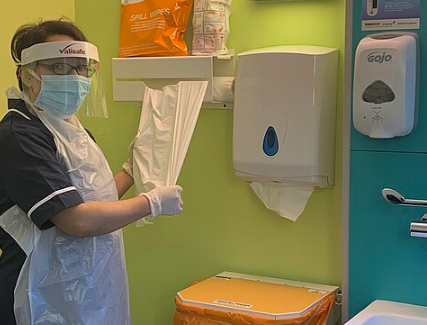
The report also documented serious shortages of personal protective equipment, commonly known as PPE. Care workers often lacked suitable masks, gowns and gloves while providing close personal care to residents who were especially vulnerable to severe infection.
Some staff resorted to improvised protection made from bin bags, bed linen and other household materials. Others used waterproof festival ponchos, painters' overalls and gloves purchased privately.
These accounts illustrated the difficult conditions facing workers who continued providing essential services despite the risk of infection. Many were required to maintain close contact with residents while lacking adequate protection for themselves or the people they supported.
The shortages reflected broader problems with emergency procurement, supply chains and the recognition of social care's needs. The inquiry found that protective equipment arrangements did not adequately account for the sector's frontline responsibilities.
Staff also faced considerable emotional strain. Workers reported exhaustion, fear of carrying infections home and distress from witnessing repeated deaths among residents they had cared for over extended periods.
The inquiry recognized the dedication of professional and unpaid carers, many of whom continued working under exceptionally difficult conditions. It also emphasized that their efforts could not compensate for failures in government planning and support.
Visiting Restrictions Caused Lasting Harm
The inquiry found that restrictions on visits to care homes caused serious emotional and psychological damage. Families were frequently prevented from seeing relatives for extended periods, including during critical illnesses and at the end of life.
Many residents became isolated from the people who provided them with companionship, reassurance and practical support. Those effects were particularly severe for people living with dementia or other conditions affecting memory and communication.
The report documented cases in which people experienced declining mental and physical wellbeing while separated from their families. Some relatives were unable to say goodbye before a loved one died.
Although restrictions were introduced to reduce infections, the inquiry found that their wider consequences were not properly considered. It called for future emergency planning to balance infection control with residents' welfare, dignity and family relationships.
Investigators also examined the inappropriate use of decisions not to attempt cardiopulmonary resuscitation, known as DNACPR decisions. Such decisions must be based on individual clinical circumstances rather than blanket rules affecting entire groups of residents.
Evidence presented to the inquiry included cases in which decisions were made without proper individual assessment or consultation. The report called for stronger professional training and safeguards around end-of-life treatment.
Families Demand Accountability
Relatives of people who died during the pandemic welcomed the inquiry's recognition of the harm experienced in care homes. However, some bereaved families argued that the findings also demonstrated the need for stronger accountability and more substantial changes.
Jean Adamson, representing Covid-19 Bereaved Families for Justice UK, said the report documented a painful period for families who had lost relatives. She drew attention to the experiences of those who were unable to be with loved ones during their final moments.
Campaigners have repeatedly argued that the vulnerabilities of the care sector were well known before the pandemic. They believe earlier preparation and stronger infection-control measures could have reduced the risks.
The report also raises broader questions about how governments value adult social care compared with hospital services. Its findings describe a sector whose structural weaknesses became especially damaging during a national health emergency.
Inquiry Calls for Eight Major Changes
Hallett issued eight recommendations aimed at strengthening protection for people receiving and providing adult social care during future emergencies.
The proposals include improved pandemic preparedness, clearer hospital discharge and isolation procedures, stronger workforce support and better monitoring of care services. The inquiry also called for improvements in data collection, visiting arrangements and end-of-life care.
A central recommendation concerns protecting residents' access to family visits. Future restrictions would need to account more carefully for the importance of personal contact and its effects on physical and emotional health.
The inquiry also recommended improved training and safeguards for decisions involving resuscitation and other end-of-life treatment. Better coordination between healthcare services and care providers is another priority.
Prime Minister Andy Burnham acknowledged the report's findings in a statement to Parliament on October 20. He recognized the suffering experienced by care recipients, workers and families, and said the government would examine the recommendations.
Burnham also outlined plans for a National Care Service designed to coordinate health and social care more closely. The government has pledged to pursue workforce improvements and develop an Adult Social Care Pandemic Action Plan.
Those commitments remain subject to further policy development and implementation. The inquiry's recommendations are intended to shape future preparedness rather than provide immediate remedies for families affected by the pandemic.
Further Inquiry Findings Expected
The care sector investigation is the sixth of ten modules examining the UK's response to Covid-19. Other investigations cover pandemic preparedness, political decision-making, healthcare systems, vaccines, procurement and additional aspects of the national response.
The inquiry expects to publish its remaining reports by mid-2027. The government must also provide a formal response to the care sector recommendations within six months of publication.
For families who lost relatives, the report provides an official account of failures they have described for years. The next test will be whether its findings lead to lasting changes in how the United Kingdom protects people who depend on residential and community care.