

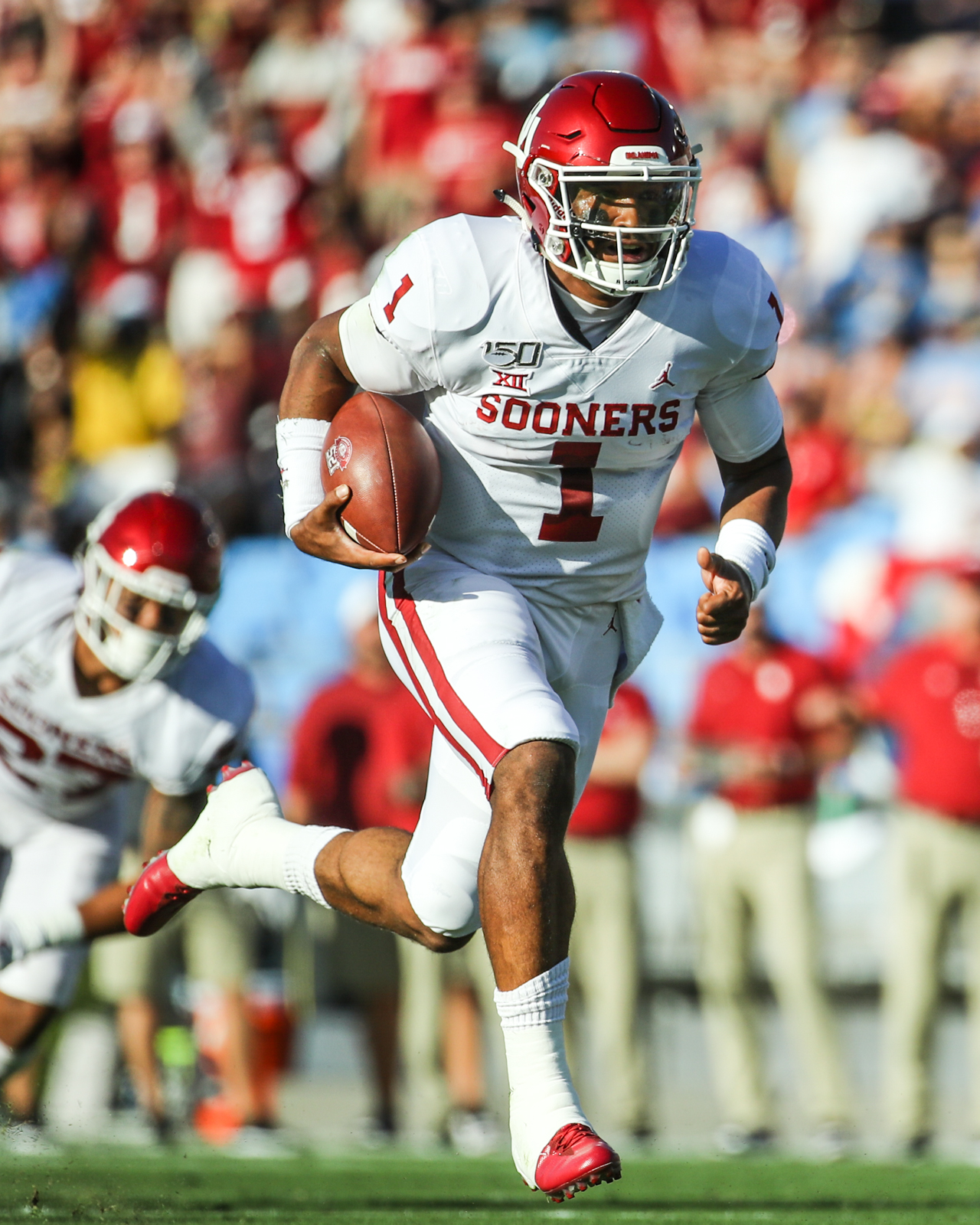
The NFL will not discipline the Philadelphia Eagles over their handling of quarterback Jalen Hurts' blood clots, despite questions about the medical decision that allowed him to play in London earlier this month. The decision was reported Tuesday, October 20, as the 28-year-old quarterback continues treatment for a condition that is expected to end his 2026 season.
A person familiar with the situation told The Associated Press that Philadelphia would face no punishment following private discussions between the league and the team. The NFL also confirmed that its medical officials had maintained contact with Eagles doctors and specialists in London during Hurts' evaluation and treatment.
The decision follows a series of medical developments that began with a calf injury and eventually led to the discovery of more serious blood clots. Hurts has been diagnosed with deep vein thrombosis and bilateral pulmonary emboli, meaning doctors found a clot in a deep vein and blood clots in both lungs.
How Jalen Hurts' Medical Problems Began
Hurts suffered the initial calf injury during Philadelphia's October 4 game against the Los Angeles Rams. According to the Eagles, he was struck by an opposing player's cleat but did not immediately request treatment.
The quarterback continued participating in team activities before visiting the training room on October 8. He told medical personnel about the earlier injury and received treatment while preparing for the Eagles' upcoming game against Jacksonville.
Hurts practiced again on October 9 and was included on the team's injury report. He then traveled with the Eagles to London for their October 11 matchup against the Jaguars.
On October 10, doctors performed an ultrasound examination of his left calf. The examination revealed a superficial vein thrombosis, a blood clot in a vein close to the surface of the skin.
Philadelphia's medical staff and physicians in London reviewed the findings before deciding whether Hurts could safely participate. They determined that continued activity and mobility were appropriate under the circumstances and cleared him to play.
Hurts started against Jacksonville the following day and completed the game without an apparent physical limitation. The Eagles lost 19-17, but concerns about the quarterback's health intensified after the team returned to Philadelphia.
Follow-Up Tests Reveal More Serious Condition
Doctors had recommended another ultrasound within 72 hours of the London game. That examination, performed on October 14, showed movement in the original clot and prompted additional medical evaluation.
The Eagles announced on October 15 that Hurts would miss their upcoming game against the Carolina Panthers. Two days later, the organization placed him on injured reserve while specialists continued evaluating his condition.
The situation became more serious on October 19 when the Eagles and Hurts' agent, Nicole Lynn, issued a joint medical update. They confirmed that further testing had identified deep vein thrombosis and bilateral pulmonary emboli.
The announcement meant the quarterback was dealing with a potentially dangerous condition involving blood clots in his lungs. However, the team emphasized that Hurts was medically stable and had no significant functional limitations.
Doctors recommended anticoagulant medication, commonly known as blood thinners, to treat the condition. Because those medications increase the risk of bleeding, Hurts cannot participate in contact football while receiving treatment.
His medical team expects him to recover fully and eventually return to football after completing treatment. The Eagles also said they do not anticipate long-term effects from the condition.
NFL Defends Medical Decisions
The league's response focused on the medical process that preceded Hurts' participation in London. NFL officials said they had coordinated with Philadelphia's medical personnel and the Cleveland Clinic in London throughout the situation.
Dr. Allen Sills, the NFL's chief medical officer, is responsible for arranging medical resources with leading providers in international markets. Those arrangements are made with approval from the NFL Players Association, while team doctors coordinate player treatment with independent specialists.
At the NFL's fall meeting in New York, Sills defended the Eagles' medical staff and expressed confidence in the care Hurts received. He described the team's approach as conservative and focused on the quarterback's health.
Sills also cautioned against assuming that an unfavorable medical outcome automatically establishes that the earlier treatment was inappropriate. His remarks addressed criticism of the decision to allow Hurts to play after doctors had identified the initial superficial clot.
The distinction between the first diagnosis and the later findings is important. A superficial vein thrombosis involves a vein near the skin's surface, while deep vein thrombosis develops in a deeper vein and can lead to pulmonary embolism.
Although those conditions can be related, the medical risks and appropriate treatment depend on the individual circumstances. The league's decision not to discipline Philadelphia does not change the seriousness of Hurts' later diagnosis.
Eagles Face Remainder of Season Without Hurts
Hurts' absence creates another challenge for an Eagles team already struggling through the first part of the season. Philadelphia entered Week 6 with a 2-3 record and then lost to Carolina without its starting quarterback.
Backup Tanner McKee started against the Panthers on October 18, throwing for 215 yards and one touchdown. The Eagles lost 25-14, extending their losing streak to four games and dropping their record to 2-4.
McKee is expected to handle the starting responsibilities while Hurts remains unavailable. Head coach Nick Sirianni has expressed confidence in the backup and emphasized that the quarterback's recovery takes priority over football.
Hurts entered the season as one of Philadelphia's most important players. He was named Most Valuable Player of Super Bowl LIX after leading the Eagles to the championship following the 2024 season.
His combination of passing ability, mobility and leadership has been central to Philadelphia's offense. Losing him for an extended period forces the team to adjust its approach at a difficult point in the schedule.
Before his medical problems ended his availability, Hurts had started five games during the 2026 season. He recorded 933 passing yards, eight touchdown passes and three interceptions.
Recovery Becomes the Priority
The medical restrictions surrounding Hurts are expected to keep him out for the remainder of the season. NFL Network reported that treatment could take approximately three months, although his actual return will depend on medical clearance.
Hurts is expected to remain involved with the team and continue appropriate conditioning while receiving treatment. His ability to resume contact football will depend on completing anticoagulant therapy and receiving approval from his doctors.
The Eagles and Lynn have expressed optimism about his recovery, particularly because specialists have reported that he remains clinically stable. However, a favorable prognosis does not establish a definite date for his return.
The NFL's decision resolves the immediate question of whether Philadelphia will face disciplinary consequences over its medical handling of the case. Hurts' recovery remains the more significant issue as the Eagles prepare to continue their season without their starting quarterback.