

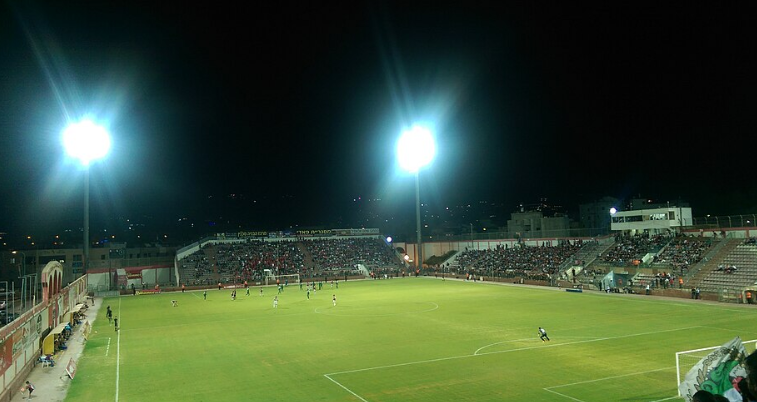
The United States has withdrawn its men's under-17 national soccer team from the 2026 FIFA U-17 World Cup in Qatar because of concerns about player and staff safety. U.S. Soccer informed players of the decision on Wednesday, November 11, just eight days before the tournament was scheduled to begin in Doha.
The decision follows a U.S. State Department travel advisory warning Americans to reconsider visiting Qatar because of the risk of armed conflict. The federation also canceled its pre-tournament training camp, ending preparations for one of international youth soccer's biggest competitions.
In a letter sent to players and coaching staff, U.S. Soccer explained that current security conditions made participation impossible. The message referred specifically to the State Department's Level 3 travel advisory and related restrictions affecting American embassy personnel and their families.
"The well-being of our players and staff will always be our top priority," the federation said in the letter.
U.S. Soccer confirmed the withdrawal to ESPN, while Reuters and Agence France-Presse independently reported the decision. FIFA had not immediately announced how the American withdrawal would affect the tournament or whether another country would take its place.
State Department Warning Drives Withdrawal
The State Department updated its travel advisory for Qatar on October 23, 2026, maintaining the country at Level 3. That designation advises Americans to reconsider travel because of serious security concerns.
The updated warning cited an increased risk of armed attacks by Yemen's Iranian-backed Houthi movement. It also identified concerns about Iranian efforts to target U.S. government officials in the region.
The advisory came amid continuing military tensions involving the United States, Iran and other countries across the Middle East. Regional attacks and threats against transportation infrastructure have complicated travel planning and raised security concerns for international organizations.
The American soccer federation concluded that sending a squad of teenage players and its accompanying staff to Qatar presented unacceptable risks under the circumstances.
A person familiar with the decision told Yahoo Sports that transporting 16- and 17-year-old players to the tournament was not considered appropriate given the security situation. The person emphasized that protecting the team was central to the decision.
U.S. Soccer had already moved its pre-tournament training camp from Qatar to its national training center near Atlanta as a precaution. Wednesday's announcement went further by canceling participation entirely.
The federation also informed FIFA of its decision and said it would notify the players' clubs. Players were asked not to comment publicly until FIFA issued its own announcement.
Americans Were Scheduled to Face Montenegro, Chile and Algeria
The 2026 FIFA U-17 World Cup is scheduled to begin November 19 and continue through December 13. The competition features 48 national teams and is part of FIFA's expanded annual tournament format.
The United States had been placed in Group J alongside Montenegro, Chile and Algeria. Its opening match against Montenegro was scheduled for November 21, followed by games against Chile on November 24 and Algeria on November 27.
Head coach Alex Aldaz announced a 21-player roster on November 6, only five days before the withdrawal. Nine members of the squad had also participated in the qualifying campaign earlier in the year.
The roster included promising players from Major League Soccer organizations and European clubs. Several had already gained professional experience or were preparing to compete for places on senior club teams.
One of the players affected is Philadelphia Union forward Malik Jakupović, who scored eight goals during three qualifying matches in February. His performances had made him an important member of the American youth squad.
Jakupović will now remain available for Philadelphia's playoff campaign rather than traveling to Qatar. Other players will return to their clubs or continue their development outside international competition.
The withdrawal represents a significant disappointment for the team after months of preparation and qualification. For several players, the tournament would have provided an opportunity to compete against leading young prospects from around the world.
FIFA Faces Questions About Replacing the United States
FIFA regulations generally require qualified national teams to participate in the tournaments for which they have earned places. The rules also establish financial penalties for countries that withdraw close to the scheduled start.
Under the applicable competition regulations, a team withdrawing within 30 days of the opening match can face a fine of at least 20,000 Swiss francs. Additional disciplinary measures may also be considered depending on the circumstances.
However, FIFA had not publicly announced whether it would impose a penalty on U.S. Soccer. The federation's stated safety concerns could become relevant to any disciplinary review, but no decision had been confirmed Wednesday.
FIFA must also determine whether Group J will proceed with three teams or whether another national side can replace the Americans. The limited time before the opening matches creates scheduling and logistical challenges.
Any replacement would need to assemble its squad, complete travel arrangements and satisfy tournament registration requirements within days.
The situation is particularly unusual because FIFA has committed to staging the men's U-17 World Cup annually in Qatar from 2025 through 2029. That arrangement was announced in 2024 as part of changes to FIFA's youth competition calendar.
The United States competed in the 2025 tournament in Qatar and reached the round of 32 before being eliminated by Morocco. The 2026 competition would have marked another opportunity for the program to develop young international players.
Middle East Conflict Disrupts International Sports
The American withdrawal comes as regional security concerns continue to affect international sporting events. Governments, national federations and tournament organizers have faced difficult decisions about travel and event operations.
The 2027 AFC Asian Cup, originally scheduled for Saudi Arabia, has been postponed from its planned January dates amid the regional conflict. Other sports organizations have also reconsidered events in the Middle East.
Qatar withdrew from hosting the finals of rugby's 2028 Nations Championship because of uncertainty surrounding regional conditions. The changes illustrate how security concerns are extending beyond individual countries and competitions.
Qatar has also played a diplomatic role in negotiations involving the United States and Iran. Its position in the Persian Gulf makes regional developments particularly relevant to international travel and event security.
Despite those concerns, FIFA's preparations for the U-17 World Cup have continued. Other participating countries remain scheduled to travel to Qatar for matches beginning November 19.
The United States is the most prominent reported withdrawal from the competition as of Wednesday. FIFA had not announced a broader cancellation or postponement of the tournament.
Young American Players Lose Major International Opportunity
The U-17 World Cup is an important development opportunity for players hoping to reach senior international soccer. It allows teenagers to experience high-pressure matches against opponents from different playing systems and backgrounds.
For the United States, the tournament was also part of a broader effort to strengthen the country's youth national teams and improve pathways into professional soccer.
Coach Aldaz and his staff had spent months evaluating prospects and preparing the squad for competition. Their work included qualifying matches, training camps and assessments of players competing both domestically and overseas.
The decision to withdraw means those preparations will not result in a World Cup appearance this year. Players will instead continue developing through their club programs and future national team opportunities.
U.S. Soccer has not announced an alternative international competition or replacement tournament for the affected squad. Its immediate priority is managing the withdrawal and communicating with FIFA and the players' clubs.
The 2026 FIFA U-17 World Cup remains scheduled to begin November 19 in Qatar, but the United States will not participate. FIFA's next decisions will determine whether another nation receives the vacant place and how the withdrawal will be handled under tournament regulations.