

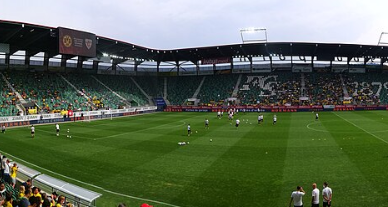
Scotland's UEFA Nations League campaign ended with a 4-0 defeat to Switzerland in St Gallen on Monday, November 16, 2026, increasing scrutiny of head coach Sébastien Pocognoli. Lewis Ferguson scored an own goal before Winsley Boteli, Alvyn Sanches and Zeki Amdouni added second-half goals for the hosts. The result left Scotland third in Group B1 and eliminated their chance of reaching the promotion play-offs.
The defeat came on a historic night for Scotland captain Andy Robertson, who made his 103rd international appearance. He surpassed Kenny Dalglish to become the most-capped player in Scotland men's national team history. Instead of celebrating the milestone, Robertson was left explaining another disappointing performance.
Scotland Starts Brightly Before Ferguson's Own Goal
Scotland initially competed well against a Swiss team that had already secured first place in the group. Switzerland made several changes to its starting lineup, giving some less-established players an opportunity. The visitors created openings during the early stages but failed to turn their possession and movement into a goal.
John McGinn sent an attempted volley over the crossbar during Scotland's promising opening spell. The match changed in the 22nd minute when Zachary Athekame delivered a cross into the penalty area. Ferguson tried to intervene but instead directed the ball past goalkeeper Angus Gunn and into his own net.
Scotland sought an immediate response, with Aaron Hickey heading wide from a Robertson cross. Hickey's night ended early when he suffered an apparent hamstring injury and was replaced by Nathan Patterson. Before halftime, McGinn directed a header at Swiss goalkeeper Yvon Mvogo, while Switzerland's Adrian Bajrami missed another headed opportunity at the opposite end.
The one-goal halftime deficit left Scotland with a realistic chance to recover. Their hopes disappeared quickly after the restart, however, as Switzerland punished defensive gaps and careless transitions. What had been a competitive encounter became a heavy defeat within minutes.
Switzerland Scores Twice in Five Second-Half Minutes
Switzerland doubled its lead in the 47th minute after Samuel Ballet exchanged passes with Remo Freuler and drove the ball toward goal. Winsley Boteli supplied the final touch, and a video review confirmed that the goal would stand. The move exposed Scotland's difficulty tracking Swiss attackers when possession changed hands.
Four minutes later, Boteli helped create another opening for Alvyn Sanches. Sanches struck a powerful shot beyond Gunn to give the hosts a three-goal lead in the 51st minute. The two quick goals left Scotland facing an enormous task with most of the second half still to play.
Pocognoli made three changes shortly afterward, introducing Ryan Christie, Kieron Bowie and Ben Gannon-Doak. Scotland continued searching for a response, but the substitutes could not restore control of the match. Scott McTominay later sent a promising attempt over the bar after meeting a cross from Kieran Tierney.
Gunn prevented further damage with a save from Ballet, but Switzerland eventually found a fourth goal. Substitute Zeki Amdouni struck from the edge of the penalty area in the 89th minute, with his shot deflecting past the goalkeeper. The goal completed a comfortable victory for Switzerland and deepened Scotland's disappointment.
Robertson's Record Appearance Ends in Frustration
Robertson's 103rd Scotland appearance should have been the evening's defining achievement for the visitors. The Liverpool defender moved beyond Dalglish's long-standing record of 102 men's international caps. His accomplishment instead became a footnote to Scotland's heaviest defeat of Pocognoli's short tenure.
After the game, Robertson rejected the idea that the team could rely on unlimited patience while adapting to a different approach. He acknowledged that Scotland had played competitively in the first half but criticized the speed of the second-half collapse. His assessment placed responsibility on the players as well as highlighting the urgency of improvement.
“We don't have time, the players do not have time, we have got to step up,” Robertson told BBC Scotland. He also pointed to the supporters who had traveled to Switzerland and those who regularly attend matches at Hampden Park. With the next international window not arriving until March, the captain said the defeat would be difficult to absorb.
Midfielder John McGinn also questioned whether recent results demonstrated progress. He said the team's performances made it difficult to argue that Scotland were moving in the right direction. At the same time, he stressed that individual players must improve their decisions and execution regardless of the tactical system.
Pocognoli Defends His Approach After Defeat
Pocognoli took over from Steve Clarke in August 2026 and has attempted to introduce a more attack-minded style. The former Belgium international arrived with club coaching experience but without a previous spell managing a senior national team. His first six Nations League matches produced two victories, both against North Macedonia, and Scotland conceded 10 goals during that run.
The manager disputed the suggestion that the four-goal margin reflected the balance of the entire match. Speaking after the defeat, he said Scotland had created chances, shown aggression early and enjoyed periods of effective attacking play. He also acknowledged his players had started the second half poorly and failed to convert their opportunities.
“The score is heavy with the 4-0, but I don't think it's a reflection of the game,” Pocognoli told BBC Scotland. His explanation contrasted with Robertson's emphasis on immediate results, although both agreed that improvement was necessary. There has been no official announcement of a change in Scotland's management.
Defeat Complicates Scotland's Euro 2028 Plans
Scotland finished third in Nations League Group B1 with seven points from six matches, behind Switzerland and Slovenia. The position means Scotland will remain in League B rather than compete in the promotion play-offs. It also leaves the team in Pot 3 for the December draw for Euro 2028 qualifying, rather than receiving the more favorable seeding available through a higher finish.
The outcome matters even though Scotland is one of the countries involved in hosting the 2028 European Championship. Scotland must still secure its place in the tournament through the applicable qualification arrangements. A difficult qualifying group could increase the pressure on a team already struggling for consistency.
For Switzerland, the victory finished a successful group campaign and demonstrated the strength available beyond its regular starters. For Scotland, attention now shifts to the qualifying draw and the return of international fixtures in March. Pocognoli will have to use that interval to address defensive mistakes and restore confidence before another competitive campaign begins.