

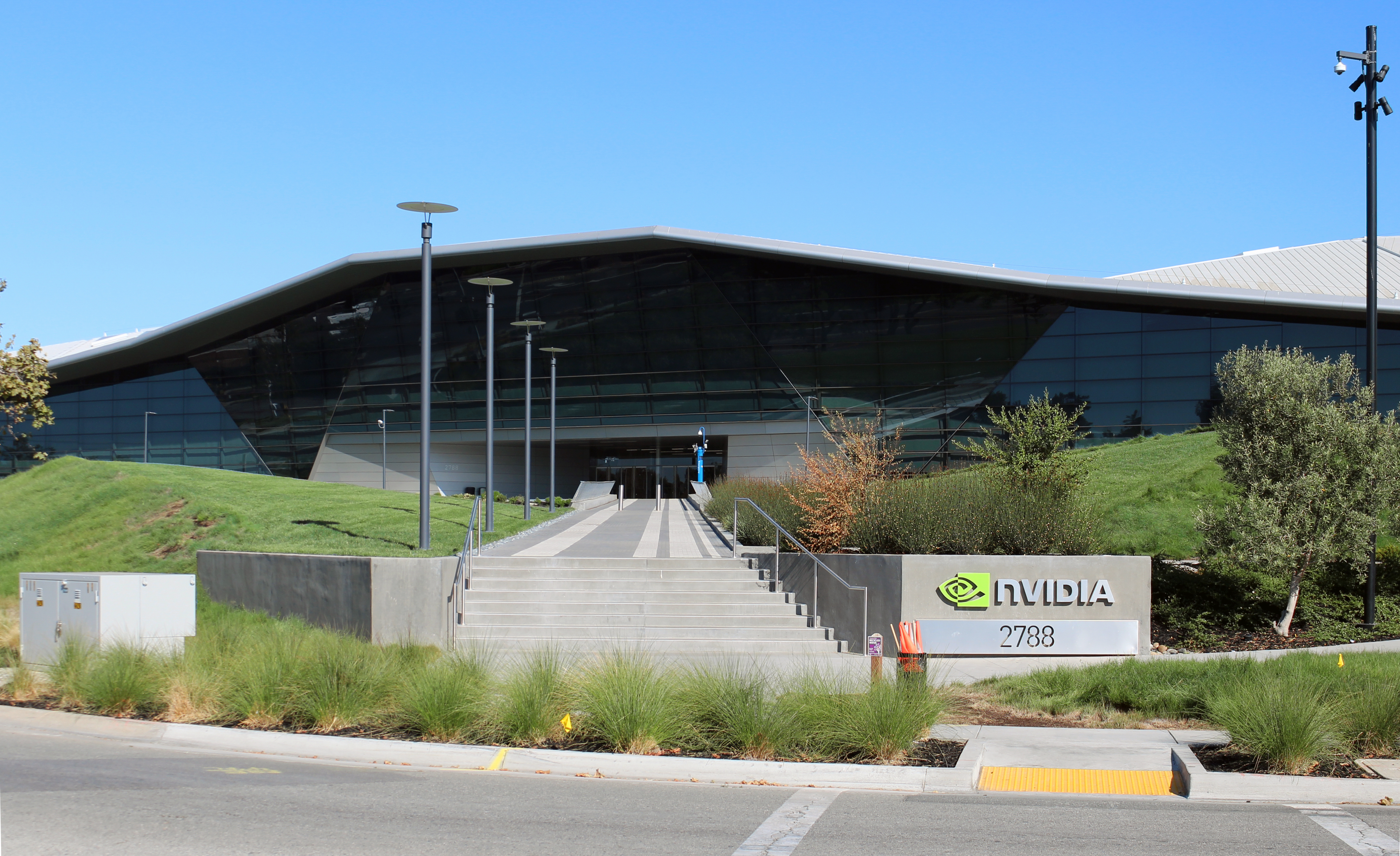
Nvidia's record financial performance has failed to reassure Wall Street as investors question whether the artificial intelligence boom can support increasingly high company valuations. The chipmaker reported quarterly revenue of $115.8 billion on November 17, 2026, more than double its revenue from a year earlier. Despite the results, Nvidia shares declined 2.9% on Wednesday, November 18, reflecting concerns about leadership changes and the enormous costs of expanding AI infrastructure.
The market reaction illustrates a growing divide between strong demand for AI technology and uncertainty about what investors should pay for companies benefiting from that demand. Nvidia remains a central supplier of processors used to develop and operate advanced AI systems. However, its latest results were not enough to overcome worries about executive leadership, regulatory restrictions and future profitability across the industry.
## Nvidia Reports Record Revenue and Strong AI Demand
Nvidia reported third-quarter revenue of $115.8 billion for the period ending October 25, representing a 103% increase from the previous year. Revenue also increased 20% compared with the preceding quarter, demonstrating continued demand for the company's computing hardware. Its data center business generated $107.6 billion, accounting for most of the company's sales.
The company's profitability remained substantial as revenue expanded. Nvidia recorded net income of $65.3 billion under generally accepted accounting principles, compared with $31.9 billion during the same quarter last year. Diluted earnings reached $2.70 per share, while its adjusted gross profit margin stood at 74.9%.
Management also presented an optimistic forecast for the following quarter. Nvidia expects revenue of approximately $130 billion, with a possible variation of 3% in either direction. That forecast exceeded the average Wall Street estimate of $125.25 billion reported by Reuters.
The figures indicate that major technology companies continue buying large quantities of advanced processors and related equipment. Nvidia has also begun shipping its Vera Rubin computing platform, designed to support increasingly demanding AI workloads. Its customers include cloud infrastructure providers and companies developing large-scale AI systems.
## Strong Earnings Fail to Prevent Stock Decline
Despite the encouraging financial results, Nvidia shares closed 2.9% lower on November 18. The stock had fallen approximately 36% from its October 6 record closing price, according to Reuters. Investors appeared unwilling to overlook concerns about the company's leadership and the broader outlook for technology shares.
Analysts responded to the earnings report by raising their expectations for Nvidia's future profits while reducing their stock price targets. The average estimate for adjusted net income in the next fiscal year increased from $380 billion to $393 billion. Meanwhile, the average analyst price target declined from $265.70 to $251.74.
Those contrasting revisions reveal an important distinction between business performance and stock valuation. A company can generate increasing revenue and profits while its shares decline if investors believe future growth has already been reflected in the stock price. Concerns about management, competition or spending can also cause investors to demand a lower valuation.
The Nasdaq-100 had lost approximately $2 trillion in market value during November as investors reconsidered the prices of major technology companies. Nvidia's earnings initially encouraged buying in AI-related stocks, but that optimism weakened during Wednesday's trading session. The market remained sensitive to developments beyond the company's quarterly financial results.
## Leadership Uncertainty Adds Pressure to Nvidia
Nvidia's leadership transition has become another source of concern for shareholders. Longtime chief executive Jensen Huang resigned earlier in November following revelations about extramarital relationships, including one involving a Chinese businesswoman. The controversy created uncertainty at a company whose growth had been closely associated with its founder.
Colette Kress, Nvidia's longtime chief financial officer, is serving as interim chief executive while the board searches for a permanent replacement. Chairman Harvey Jones has ruled out reinstating Huang, despite his reported offer to return. Executive recruiting firm Heidrick & Struggles is helping the board evaluate internal and external candidates.
The company has sought to reassure investors that product development and customer relationships remain stable. Nvidia's earnings report showed that demand had not weakened during the leadership transition. Nevertheless, investors must assess whether a new executive team can maintain the company's position in an increasingly competitive market.
## Anthropic's IPO Tests Investor Confidence
Another major development arrived Wednesday when Anthropic priced its initial public offering at $83 per share. The company raised approximately $81 billion through the offering, which valued the developer of the Claude AI system at roughly $1.5 trillion. Its shares are scheduled to begin trading on the Nasdaq on November 19 under the ticker ANT.
The offering provides a significant test of investor demand for companies developing advanced AI models. Anthropic's products include Claude and Claude Code, tools designed for tasks ranging from writing and research to software development. Its rapid growth has attracted substantial backing from major technology companies.
Anthropic reported more than $16 billion in revenue during the first half of 2026, approximately 14 times the figure from the same period a year earlier. However, the company has also reported substantial losses associated with its expansion and financing arrangements. Investors therefore face the challenge of weighing extraordinary revenue growth against uncertain long-term profitability.
The IPO also highlights the difference between raising capital and receiving a market valuation. Anthropic's approximately $1.5 trillion valuation represents the estimated value of the entire company at the offering price. The approximately $81 billion raised reflects money generated through the sale of shares, not the company's total market value.
## AI Infrastructure Spending Raises Financial Questions
The rapid expansion of AI has required companies to invest heavily in computing equipment, electricity, data centers and specialized engineering talent. Much of that spending benefits Nvidia because its processors are widely used to train and operate advanced AI systems. The company has become an important indicator of how aggressively the technology industry continues investing.
However, the money spent building AI infrastructure does not automatically translate into equivalent profits for companies operating that infrastructure. Developers must eventually generate enough revenue from subscriptions, enterprise contracts and other services to justify their investments. Investors are increasingly examining that relationship rather than focusing only on announced spending commitments.
Regulatory concerns have also complicated the outlook. Nvidia faces restrictions on exports of certain advanced processors to China, limiting access to an important international market. Its fourth-quarter forecast assumes no data center computing revenue from China, reflecting uncertainty surrounding United States export controls.
The wider industry also faces questions about energy requirements and the financing of new computing facilities. Some investors worry that rapid construction could leave companies with expensive infrastructure if future demand falls short of expectations. Others believe the continued expansion of AI applications will support years of additional investment.
## AI Adoption Presents Uneven Opportunities
The industry's expansion is also changing employment opportunities and the skills workers need. Research has identified differences in how frequently men and women use generative AI tools, raising questions about access to training and professional advancement. Those differences could become more important as employers incorporate AI into management, technical and administrative responsibilities.
A Harvard Business School research review published in 2026 estimated AI adoption rates of 47.8% among men and 39.3% among women across the studies it examined. That represented a relative adoption gap of approximately 22%, although results varied between populations and individual studies. The findings do not establish that gender alone causes differences in AI adoption or future career outcomes.
Businesses may need to consider whether employees have equal opportunities to learn new systems and participate in AI projects. Training, mentoring and practical experience can help workers understand how the technology affects their responsibilities. The broader economic benefits of AI will depend partly on how widely those opportunities become available.
## Investors Look Beyond Revenue Growth
Nvidia's latest results demonstrate that demand for AI computing remains strong, but the stock market's response shows that financial performance is only one consideration. Leadership stability, regulatory exposure and expectations for future earnings are becoming increasingly important when investors evaluate technology companies. The same questions apply to developers such as Anthropic as they seek substantial amounts of public investment.
Wednesday's trading also showed that the wider market remains influenced by interest rates and economic uncertainty. Federal Reserve meeting minutes contributed to concerns about borrowing costs, while investors responded differently to earnings from individual companies. Technology stocks no longer move uniformly higher simply because a business is associated with artificial intelligence.
The next immediate test comes November 19, when Anthropic shares are scheduled to begin trading publicly. Its opening price and subsequent performance will provide another indication of how investors value fast-growing AI businesses. For Nvidia, attention remains focused on the search for a permanent chief executive and whether its ambitious revenue forecasts continue to translate into sustained profits.