

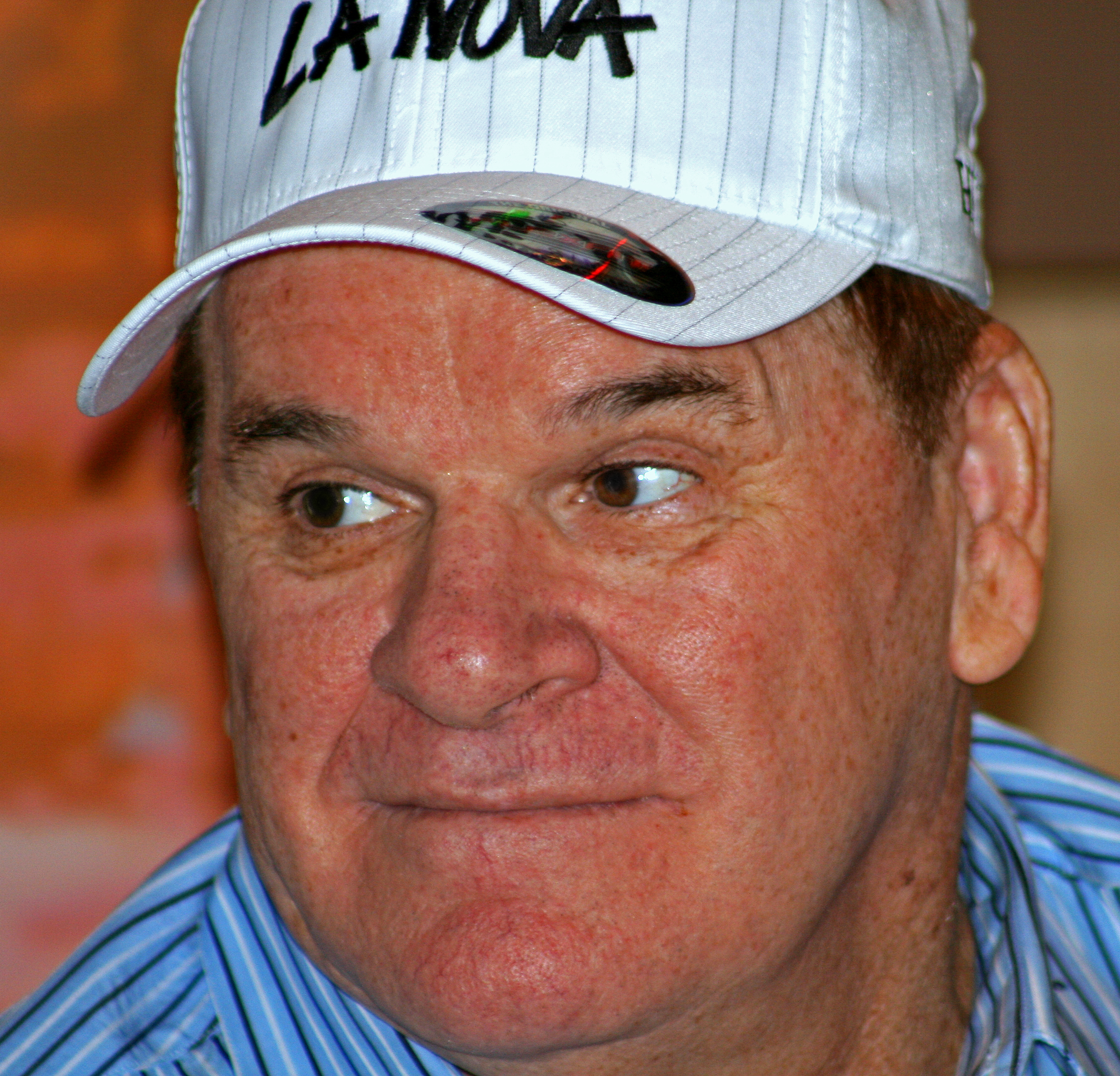
President Donald Trump announced a posthumous pardon for Pete Rose on Thursday, November 19, 2026, addressing the federal tax crimes that sent baseball's career hits leader to prison more than three decades ago. Rose, who died in September 2024 at age 83, remains one of Major League Baseball's most accomplished and controversial figures. The pardon adds a new development to the debate over his legacy, but it does not itself grant him entry into the National Baseball Hall of Fame.
Trump announced the decision on social media, describing Rose as a baseball legend and criticizing his continued absence from the Hall of Fame. The White House indicated that the pardon concerned Rose's federal tax case. His eligibility for Hall of Fame consideration had already been restored through a separate Major League Baseball decision in May 2025.
The Federal Tax Case Behind the Pardon
Rose pleaded guilty on April 20, 1990, to two felony counts of filing false federal income tax returns. He admitted failing to report $354,968 in income over four years, including money connected to memorabilia sales and gambling. The guilty pleas came about eight months after he accepted a permanent ban from organized baseball over a separate gambling investigation.
A federal judge sentenced Rose to five months in prison and imposed a $50,000 fine. He also received a requirement to perform 1,000 hours of community service. After serving his prison term at a federal facility in Illinois, Rose was released in January 1991 and later completed community service work in Cincinnati.
At the time of his guilty pleas, Rose publicly acknowledged making mistakes while saying that the judge would decide his punishment. United States District Judge Arthur Spiegel emphasized that Rose had admitted wrongdoing and would have to face the legal consequences. The criminal case became another damaging chapter in the career of a player already excluded from the sport.
A presidential pardon addresses a federal offense; it does not reverse the findings of a baseball investigation or direct the Hall of Fame to elect a candidate. That distinction is central to understanding Thursday's announcement. Rose's gambling-related exclusion from baseball and his federal tax conviction followed different proceedings and were governed by different authorities.
Why Baseball Banned Pete Rose
Rose agreed to a lifetime ban in August 1989 following an investigation into allegations that he had bet on baseball games while managing the Cincinnati Reds. The investigation found that he wagered on games involving his own team, a particularly serious violation of baseball's gambling rules. Rose denied betting on baseball for years before eventually acknowledging that he had done so.
The ban ended Rose's ability to work in Major League Baseball and complicated his prospects for its highest individual honor. The Hall of Fame adopted a rule in 1991 excluding anyone on baseball's permanently ineligible list from consideration. That decision blocked Rose from the normal election process despite his record-setting career.
The gambling issue remains separate from the tax case covered by Trump's pardon. Critics of Rose's Hall of Fame candidacy argue that betting on games involving his own club undermined confidence in the sport's integrity. Supporters contend that his extraordinary accomplishments as a player deserve recognition even while acknowledging the violations that ended his baseball career.
MLB Restored Eligibility Before Trump's Pardon
In May 2025, Commissioner Rob Manfred announced that permanent ineligibility under Major League Baseball policy would end when a disciplined individual died. The ruling followed a request from Rose's family and affected 17 deceased people, including Rose and former Chicago White Sox star Shoeless Joe Jackson. It did not overturn the historical findings against them.
The National Baseball Hall of Fame subsequently confirmed that the decision made those former players eligible for consideration. However, eligibility does not guarantee a place on an election ballot, much less induction. The independent Hall of Fame retains control over its own selection process and the standards used to evaluate candidates.
Rose's potential route involves the Classic Baseball Era Committee, which considers players and other figures whose greatest impact came before 1980. Its next scheduled election is in December 2027 for the Class of 2028. A screening process must first select the names placed on the committee's eight-person ballot.
The committee consists of 16 voters drawn from Hall of Fame members, baseball executives and veteran media representatives. Candidates must receive at least 75 percent support to be elected. Consequently, Rose could remain outside Cooperstown even after the removal of his lifetime ban and the presidential pardon.
A Record-Breaking Career With Cincinnati
Rose collected 4,256 hits during a 24-season major league career that began in 1963 and ended in 1986. He surpassed Ty Cobb's longstanding career hits record in September 1985 while playing for Cincinnati. His achievements also included 17 All-Star selections and three National League batting titles.
Known as Charlie Hustle for his aggressive style, Rose won the National League Rookie of the Year award in 1963 and the league's Most Valuable Player award in 1973. He earned World Series championships with Cincinnati's Big Red Machine in 1975 and 1976, then won another title with the Philadelphia Phillies in 1980. Rose was also named World Series MVP in 1975.
Much of his identity remained linked to Cincinnati, where he became a hometown favorite and later managed the Reds. His pursuit of Cobb's hits record became one of the defining stories of the 1985 baseball season. The achievement still stands, giving his Hall of Fame candidacy an unusual combination of historic numbers and serious disciplinary concerns.
Rose died on September 30, 2024, before he could see Major League Baseball remove his name from the permanently ineligible list. The subsequent decisions have renewed attention to how the sport remembers players whose careers combined exceptional performance with misconduct. They have not produced a Hall of Fame election or changed baseball's rules against wagering on games.
What Happens Next for the Hall of Fame
Trump's announcement gives Rose a posthumous federal pardon, not an automatic place among baseball's inductees. The decisive change in his eligibility came in May 2025, when Manfred determined that baseball's lifetime exclusions would no longer continue after death. The Hall of Fame then recognized that Rose could be considered under its existing election procedures.
His record remains unmatched, and his gambling history remains part of the evidence voters can weigh. For now, the next scheduled opportunity for his candidacy to be evaluated through the Classic Baseball Era process is December 2027. Whether Rose appears on that ballot, and whether he can attract the votes needed for induction, remains unresolved.