

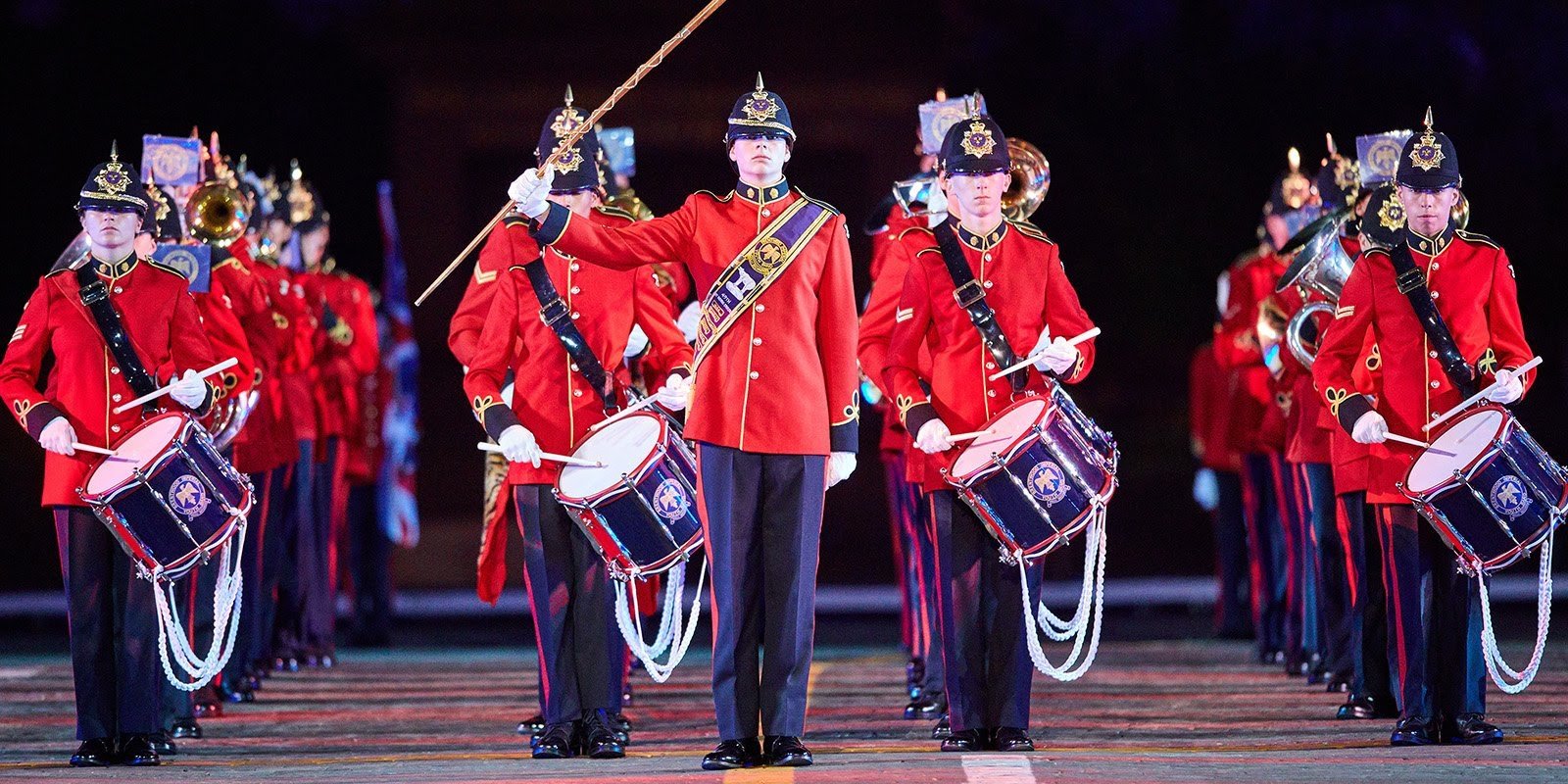
The 100th Macy's Thanksgiving Day Parade took place in New York City on Saturday, November 28, 2026, following an unprecedented weather delay. A powerful storm forced organizers to postpone the annual celebration for the first time in its history. Marching bands, giant character balloons, elaborate floats and musical performers returned to Manhattan two days after Thanksgiving.
The postponement presented a financial challenge for hundreds of student musicians who had traveled across the country. Many had already arranged transportation, accommodations and meals based on their original departure dates. Community fundraising campaigns helped several bands remain in New York long enough to participate in the historic celebration.
Severe Weather Forces Historic Postponement
Macy's and New York City officials announced the postponement on Wednesday, November 25, ahead of a powerful nor'easter. Heavy rainfall and damaging winds swept across portions of the northeastern United States on Thanksgiving Day. Hundreds of thousands of utility customers lost electricity as the storm moved through the region.
Safety concerns were particularly important because of the enormous helium-filled balloons that require teams of handlers. Strong winds can make the balloons difficult to control, creating hazards for participants and spectators.
According to the Associated Press, Macy's Studios executive producer Will Coss said safety remained the priority. Organizers faced the considerable task of deflating, transporting and preparing the balloons again for Saturday's celebration.
Conditions improved considerably by Saturday, allowing the parade to proceed with its inflatable attractions.
Marching Bands Raise Money to Remain in New York
The unexpected delay left school marching bands facing substantial additional expenses. Accommodating hundreds of students, directors and chaperones required more hotel rooms, meals and revised transportation arrangements.
The University of Illinois' Marching Illini launched a fundraising campaign with a goal of $175,000. The money was needed to extend the stay of its 410 student musicians. Donors eventually contributed more than $350,000, according to NPR.
The appearance marked only the second time the Marching Illini had participated in the Macy's Thanksgiving Day Parade. Students had spent considerable time preparing for the centennial celebration before learning about the postponement.
The Pride of Pearland High School Marching Band and Color Guard from Texas faced similar difficulties. The group raised approximately $350,000 to cover unexpected expenses for its extended trip. Support came from local businesses, families and individuals across the country.
Pearland High School band director Ryan Demkovich told ABC News that preparations for the trip began in September 2025. The fundraising effort allowed students to complete a journey that had been more than a year in the making.
Airlines Help Students Return Home
The Nā Koa Aliʻi Hawaiʻi All-State Marching Band also received considerable financial support. Its fundraising campaign collected more than $500,000 by Thursday evening.
Alaska Airlines and Hawaiian Airlines arranged an additional Saturday flight between New York and Seattle. The flight helped more than 200 musicians and supporters begin their journey back to Hawaii without additional rebooking charges.
Corporate assistance supplemented donations from individuals and local businesses. The Macy's Foundation and American Savings Bank were among the organizations that supported the Hawaiian band's efforts.
The Dobyns-Bennett High School marching band from Tennessee and the James F. Byrnes Rebel Regiment from South Carolina also received fundraising assistance.
Not every scheduled band could remain in New York. The University of Alabama's Million Dollar Band returned home because of its commitment to perform at the annual Iron Bowl football game against Auburn University.
A Record Number of Inflatable Attractions
Macy's commemorated its 100th parade with a record 100 inflatable elements. The collection featured familiar characters, newly introduced designs and recreations of balloons from earlier generations.
New additions included Bluey, Hello Kitty Big Apple, Buckaroo Bob the Minion and Sorcerer's Apprentice Mickey. Underdog and other recognizable characters also appeared as part of the centennial celebration.
Macy's introduced Billie Brightpaw, a bear developed by its own creative team. The company also brought back its historic Blue Hippopotamus balloon, recreating a design that had disappeared from the parade decades earlier.
The celebration included inflatable artwork developed from designs associated with artists Keith Haring, Jeff Koons, Tim Burton and Yayoi Kusama. Their creations reflected the parade's long relationship with popular culture and contemporary art.
The revised entertainment lineup also included LL Cool J and Gloria Gaynor. Most of the performers originally scheduled for Thanksgiving remained available for Saturday.
A Tradition Dating Back to 1924
The first Macy's holiday parade took place on November 27, 1924. Originally known as the Macy's Christmas Parade, the celebration helped attract shoppers to the department store's flagship location in Manhattan.
According to the Library of Congress, inflatable character balloons became part of the celebration in 1927. They gradually developed into one of the parade's most recognizable attractions.
Although the inaugural event occurred 102 years ago, the 2026 celebration represented the 100th edition. The parade was suspended from 1942 through 1944 during World War II.
Saturday's celebration followed its familiar route through Manhattan, beginning on the Upper West Side and finishing near Macy's Herald Square store.
For the student musicians who remained in New York, the performance marked the completion of months of rehearsals and an unexpected fundraising campaign. Seven school marching bands ultimately participated in the rescheduled celebration.