The Centers for Medicare & Medicaid Services has issued new guidance directing states to prepare for upcoming restrictions on federal Medicaid and Children’s Health Insurance Program funding for individuals who are not U.S. citizens or nationals.
Beginning October 1, 2026, states will no longer be able to claim federal matching funds for Medicaid and CHIP coverage for individuals who fall outside specific citizenship and immigration categories identified in statute. The guidance released this week is intended to help states understand their responsibilities in implementing the change and to give them lead time to adjust their systems and enrollment processes.
Under current federal law, Medicaid and CHIP eligibility is generally limited to U.S. citizens and certain categories of lawfully present immigrants, including lawful permanent residents, refugees, and asylees. However, a number of states have expanded coverage in recent years using a mix of federal flexibility and state funding, particularly for children and pregnant individuals regardless of immigration status. The new guidance underscores a stricter alignment with existing statutory definitions for purposes of federal funding.
The policy primarily affects federal reimbursement rather than state-level coverage decisions. States may continue to provide coverage to affected populations using their own funds, but the loss of federal matching dollars presents a significant financial hurdle. Federal contributions typically cover at least half of Medicaid costs and an even larger share of CHIP spending, meaning states would need to absorb substantially higher expenses to maintain current levels of coverage.
Health policy experts warn that the changes could have broader implications across the healthcare system. If coverage is reduced, hospitals and community health centers—especially those serving low-income populations—may see an increase in uncompensated care as more patients delay or forgo treatment. This could place additional financial strain on safety-net providers already operating with tight margins.
States are also expected to face administrative challenges as they implement the new requirements. Eligibility systems may need to be updated, documentation verification processes strengthened, and enrollment staff retrained ahead of the 2026 deadline. These changes could increase operational costs and lead to slower processing times during the transition period.
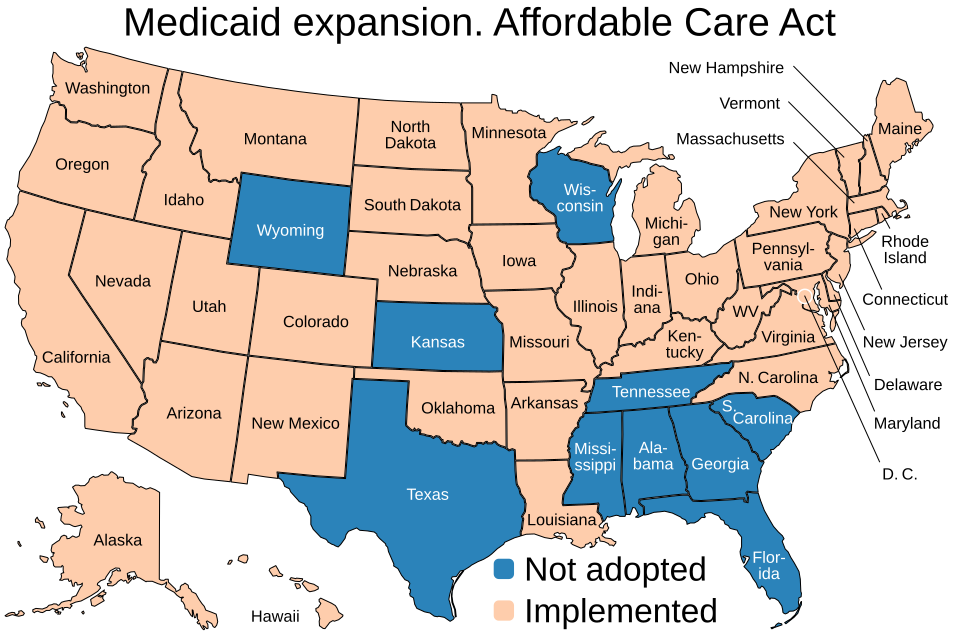
The impact of the policy is likely to vary significantly by state. Some states, including California and New York, have adopted broader coverage policies using state funds and may face difficult budget decisions if they choose to maintain those programs. Others that rely more heavily on federal matching funds may scale back eligibility more quickly in response to the change.
Federal officials indicated that additional technical guidance may be issued in the coming months as states begin planning for implementation. The transition period is expected to extend through much of 2026, with policy adjustments, system updates, and budget considerations shaping how each state responds.
As the deadline approaches, the issue is likely to prompt debate among policymakers, healthcare providers, and advocates. The ultimate effect will depend not only on federal enforcement but also on how states balance fiscal constraints with decisions about coverage for vulnerable populations.