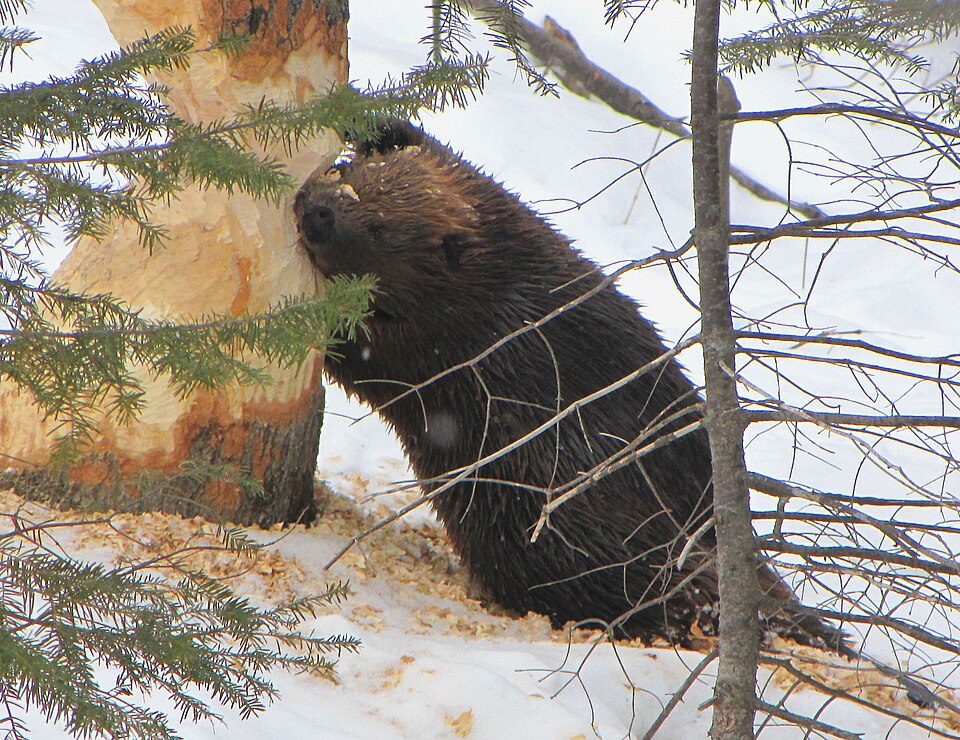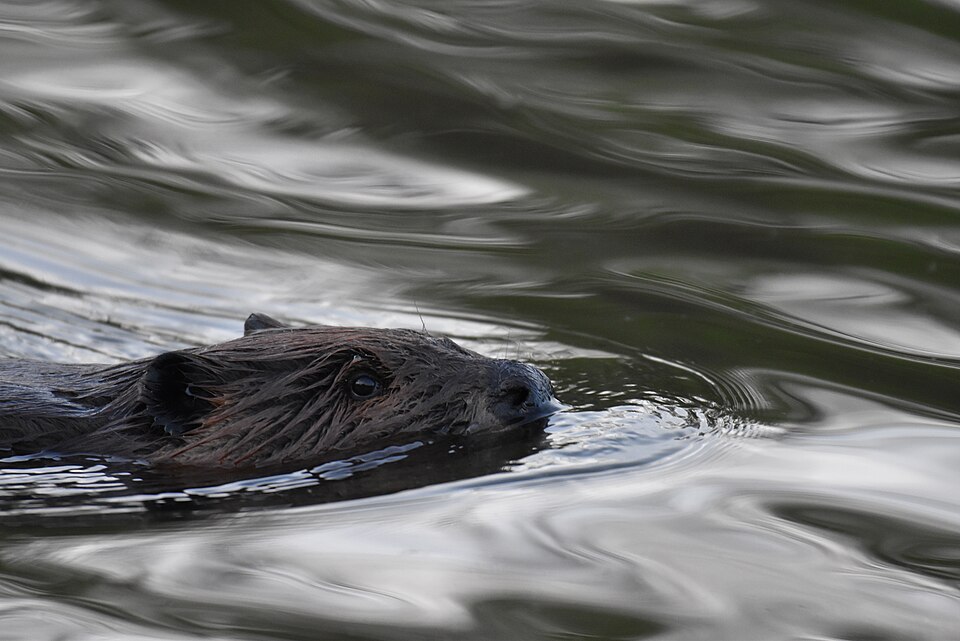
Health officials in Maryland launched a search for potentially rabid beavers at a state park after a teenager was bitten, according to a report by WUSA9. The incident prompted authorities to begin trapping and testing other animals in the area to determine whether more beavers in the park had been infected with the rabies virus.
Rabies in beavers is considered unusual. The disease is more commonly associated with raccoons, bats, foxes, and skunks in the eastern United States. A confirmed rabid beaver at a public park raises particular concern because state parks attract large numbers of visitors, including children, who may approach wildlife without understanding the risks.
Officials began the search after the teenager was bitten and the animal involved tested positive for rabies. Anyone bitten or scratched by a potentially rabid animal must undergo post-exposure prophylaxis, a series of injections that prevents the virus from progressing if administered before symptoms appear. Rabies is almost universally fatal once symptoms develop in humans.
The search involved setting traps in the area where the bite occurred. Wildlife officials planned to test captured animals to determine the scope of the infection within the local beaver population. Results from those tests would help determine how many animals in the park may have been exposed and whether additional public warnings were necessary.
Health officials used the incident to remind the public about basic wildlife safety. Wild animals that appear disoriented, aggressive, or active during daylight hours when they are normally nocturnal may be showing signs of rabies infection. Members of the public were advised not to approach or feed wildlife at state parks.
The state park remained open during the investigation, but officials posted warnings in the area and increased monitoring. Visitors were asked to report any animal that appeared sick or behaved unusually.
The teenager who was bitten received medical treatment. WUSA9 did not report the severity of the physical injury beyond the bite itself. Whether additional human exposures occurred at the park before the investigation began was not confirmed in available information.
Rabies cases tied to wildlife in public recreational spaces are relatively rare, but they draw significant public health attention when they occur because of the seriousness of the disease and the number of people who may have been in contact with infected animals without knowing it.