

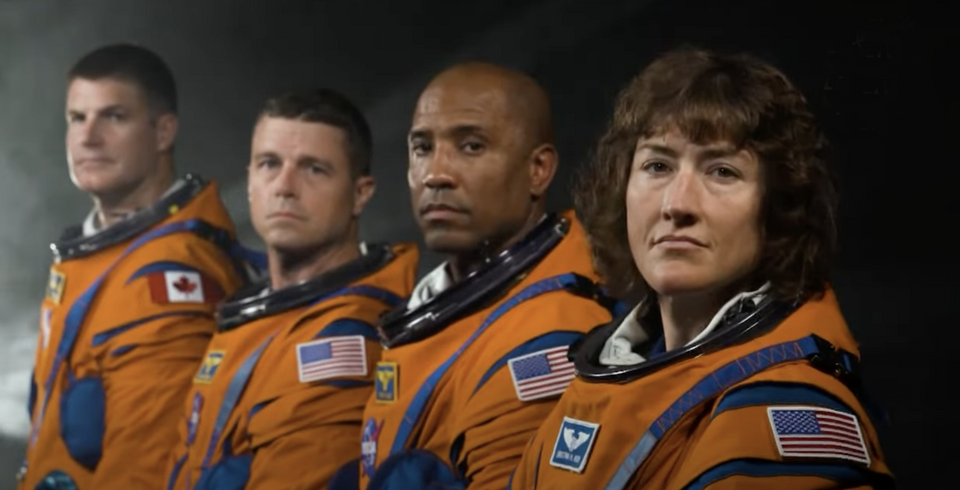
NASA's Artemis II mission came to a triumphant conclusion on Friday as the Orion capsule carrying four astronauts splashed down in the Pacific Ocean near San Diego, capping a nine-day journey that broke the record for the greatest distance humans have ever traveled from our planet. Commander Reid Wiseman, pilot Victor Glover, mission specialist Christina Koch, and Canadian astronaut Jeremy Hansen made a high-speed reentry through the atmosphere before landing safely in the water, where Navy recovery crews were standing by to bring them aboard the USS John P. Murtha for medical evaluations.
The final minutes of the mission were tense, with a roughly six-minute communications blackout as Orion punched through Earth's atmosphere. NASA associate administrator Amit Kshatriya paid tribute not only to the crew but to their families, who endured the anxious wait. "Four families sat through those six minutes, and their courage is the same as the crew that came home," Kshatriya said during a post-splashdown news conference from Houston. NASA astronaut Dr. Kjell Lindgren, who watched the landing alongside the crew's loved ones, described the splashdown as "picture perfect."
After landing, the astronauts were transferred from the capsule to an inflatable raft positioned nearby, then hoisted individually into waiting helicopters and flown approximately 2,000 yards to the recovery ship's flight deck. NASA Administrator Jared Isaacman greeted the crew on the ship, presenting them with commemorative hats. All four astronauts were able to walk with little assistance to the vessel's medical bay — an encouraging sign after more than a week in the microgravity environment of deep space.
NASA officials were jubilant at the post-mission press conference. Exploration ground systems program manager Shawn Quinn called the return "an incredible end to an incredible mission," adding, "It's good to be NASA, it's good to be an American today." Orion program manager Howard Hu struck a forward-looking tone: "We're going to learn from this mission, we're going to look at the data, and we're going to move forward. This is the start of a new era of space exploration." Deputy associate administrator Lori Glaze echoed the sentiment, declaring the flight "our first mission to the moon of many more to come."
The successful completion of Artemis II marks a pivotal milestone in NASA's broader Artemis program, which aims to return humans to the lunar surface for the first time since the Apollo era. While Artemis II was a flyby mission — orbiting the moon without landing — the data collected on the Orion spacecraft's performance, life support systems, and heat shield during reentry will be critical for planning future crewed lunar landings. Engineers will now pore over the mission data to refine systems ahead of Artemis III, which is expected to put astronauts on the moon's surface.
The splashdown provided a moment of celebration and national pride at a time when the United States faces significant challenges on the global stage, including high-stakes diplomatic negotiations with Iran and a fraught domestic political landscape. For NASA and the space community, however, Friday belonged to four astronauts who ventured farther from home than any humans in history — and came back safely to tell the story.