

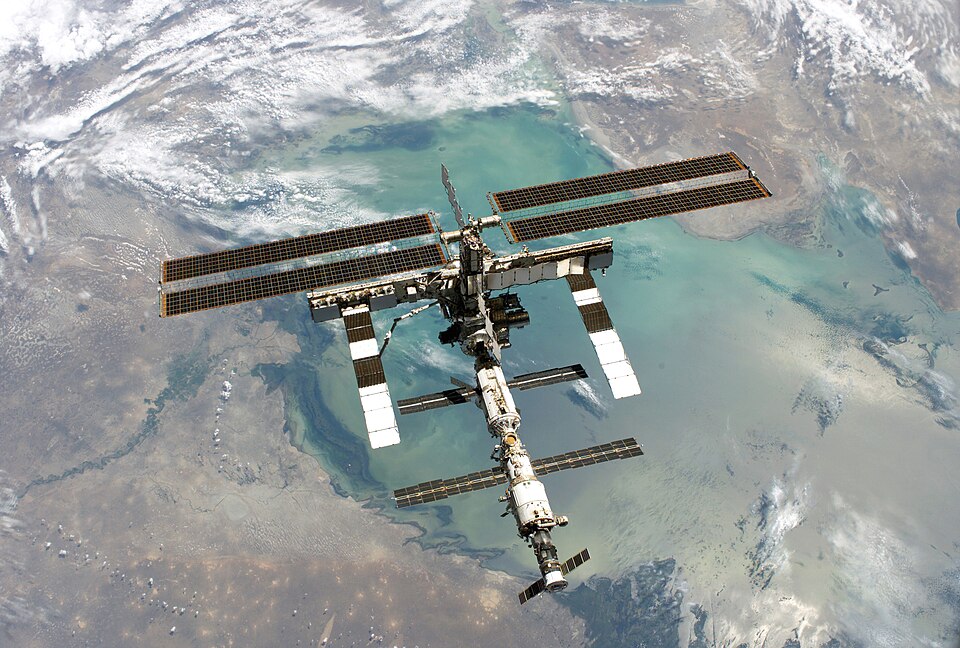
California-based satellite imagery provider Planet Labs has moved from a 14-day delay to an indefinite restriction on providing images of Iran and much of the Middle East, a decision that has alarmed journalists, humanitarian organizations, and open-source analysts who rely on the technology to monitor conflict zones.
The restrictions, prompted by a US government request, now cover a broad swath of the region including Iraq, Lebanon, Israel, and Gaza. Planet initially said the delay was intended to prevent adversaries from using its imagery to target allied personnel. It has since shifted to a "managed distribution" model, sharing selected images on a case-by-case basis. The Department of Defense did not respond to requests for comment.
The curtailment comes as the US-Israel war with Iran continues to reshape the region. European airports have warned that jet fuel stocks could run dry within three weeks due to disruptions in the Strait of Hormuz, with the last Europe-bound fuel cargo that passed through the strait before the war expected to arrive in Copenhagen today. Oil prices have hit record highs, intensifying pressure on governments to find alternative energy supplies.
Satellite imagery has become an essential tool for documenting airstrikes, assessing civilian damage, and holding governments accountable during armed conflicts. Investigative journalist Benjamin Strick noted that such imagery is especially critical in "conflict zones, disasters and other restricted environments where reporters cannot safely access the scene."
One satellite imaging expert told BBC Verify that companies like Planet, which hold significant military contracts, may implement "voluntary compliance" requests driven partly by commercial incentives tied to their defense relationships. Rival firm Vantor, formerly Maxar, told Reuters it had not received a similar request from the Pentagon, though it already limits coverage of US military bases.
The growing opacity around the Iran conflict — both on the ground and from orbit — has raised broader questions about the public's ability to independently verify claims made by governments during wartime.