

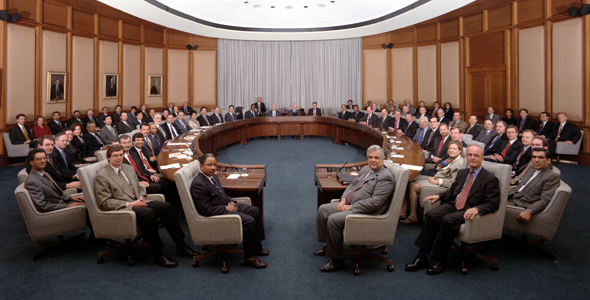
Economic policymakers are gathering in Washington this week for the International Monetary Fund's spring meetings, facing a familiar sense of crisis as the war between the United States and Iran continues to disrupt global growth. Finance ministers and central bank governors from around the world will assess the conflict's toll on the Middle East and its cascading effects on trade, energy markets, and commodity supply chains.
The conflict's reach extends well beyond the region. Australia has moved to secure supplies of urea — a critical agricultural fertilizer — amid growing concern that the Iran war is threatening global availability. The action underscores how the conflict is straining supply chains for essential commodities far from the battlefield, with potential consequences for food production costs worldwide.
The IMF meetings carry what Bloomberg described as "a sense of déjà vu" for attendees, many of whom have spent recent years navigating one global shock after another. The war's disruption to Middle Eastern economies adds another layer of complexity to an already fragile global outlook, with policymakers forced to balance support for growth against inflationary pressures driven by supply constraints.
For consumers and investors, the stakes are tangible. Fertilizer shortages can drive up food prices, while broader commodity disruptions feed into inflation that central banks are still working to contain. As finance chiefs take stock in Washington, the challenge will be coordinating a response to economic damage that crosses borders and sectors alike.