

The American College of Cardiology, the American Heart Association, and nine other major medical organizations have jointly issued new guidelines for managing dyslipidemia — abnormal levels of cholesterol, triglycerides, and other lipids in the blood. The updated recommendations replace the 2018 cholesterol management guidelines and reflect a growing body of evidence that keeping "bad" cholesterol low over a lifetime dramatically reduces the risk of heart attack and stroke.
A central shift in the new guidelines is the emphasis on earlier intervention. Roger Blumenthal, MD, chair of the guideline writing committee and director of the Johns Hopkins Ciccarone Center for the Prevention of Heart Disease, said that while healthy lifestyle habits remain the first step, clinicians should consider adding lipid-lowering medication sooner than they might have a decade ago if lifestyle changes alone don't bring numbers into a desirable range.
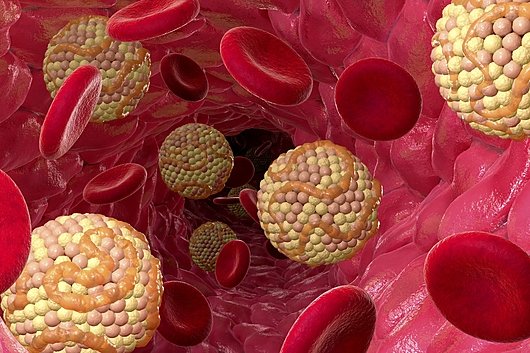
The guidelines also broaden the scope of risk assessment beyond LDL cholesterol alone. For the first time, the recommendations highlight the importance of monitoring triglyceride-rich remnant particles and lipoprotein(a), both of which contribute to the buildup of fatty deposits in arteries. The document introduces new "normal" target levels for cholesterol and blood pressure, and incorporates updated risk-prediction tools known as the AHA PREVENT-ASCVD equations.
Cardiologist Jack Wolfson, DO, who was not involved in developing the guidelines, noted that abnormal lipid patterns often signal deeper metabolic problems such as insulin resistance, inflammation, or nutrient deficiencies. "Addressing those factors improves overall health," he said.
Atherosclerotic cardiovascular disease remains a leading cause of death worldwide, but experts estimate that more than 80% of cases are preventable. The consolidated guidelines aim to give clinicians a single, comprehensive reference for evaluating and treating the full spectrum of blood lipid abnormalities.