[article]
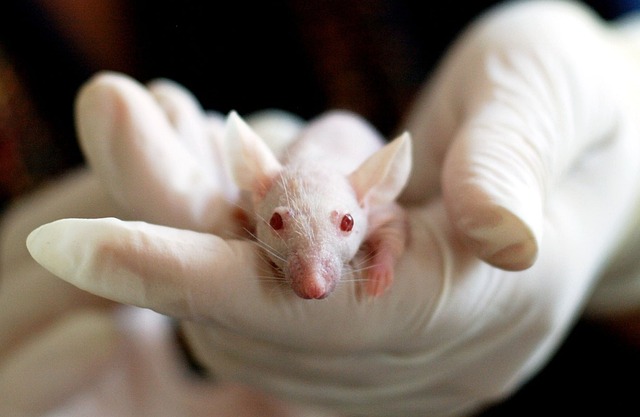
A gas best known for its foul smell may turn out to be one of the brain's most important protectors. Researchers at Johns Hopkins Medicine have found that a protein called CSE, which produces trace amounts of hydrogen sulfide — the compound responsible for the odor of rotten eggs — plays a critical role in memory formation and brain health. When the protein was removed in genetically engineered mice, the animals developed memory loss, brain damage, and other hallmarks of Alzheimer's disease.
The study, published in the Proceedings of the National Academy of Sciences, showed that mice lacking CSE experienced increased oxidative stress, DNA damage, and a weakened blood-brain barrier. These are all features commonly seen in Alzheimer's patients. The findings suggest that when hydrogen sulfide is carefully regulated at extremely small concentrations, it may actually shield brain cells from degeneration.
The challenge is that hydrogen sulfide is toxic in large amounts, making it unsafe to deliver directly into the brain. Instead, the research team, led by associate professor Bindu Paul, is focused on understanding how to maintain the naturally occurring trace levels of the gas within neurons. "The goal is not to flood the brain with hydrogen sulfide but to understand the mechanisms that keep it at protective levels," the researchers explained, according to Science Daily.
This work builds on more than a decade of investigation. In 2014, a team led by Solomon Snyder at Johns Hopkins reported that CSE supported brain health in mice with Huntington's disease. By 2021, the group had found that CSE was malfunctioning in mice with Alzheimer's, and that tiny injections of hydrogen sulfide helped protect brain cells. The new study deepens that line of inquiry with funding from the National Institutes of Health.
While the research remains in its early stages and has only been conducted in animal models, scientists say it points toward a genuinely novel approach to Alzheimer's treatment — one that works not by clearing plaques or targeting tau proteins, but by restoring a basic chemical signal the brain needs to stay healthy.