After days of intensive diplomacy in Pakistan, the United States and Iran failed to reach an agreement on Tehran's nuclear program, plunging the two nations back into a dangerous standoff. The Guardian reported that the marathon peace talks in Islamabad concluded without a deal, dashing hopes for a diplomatic breakthrough.
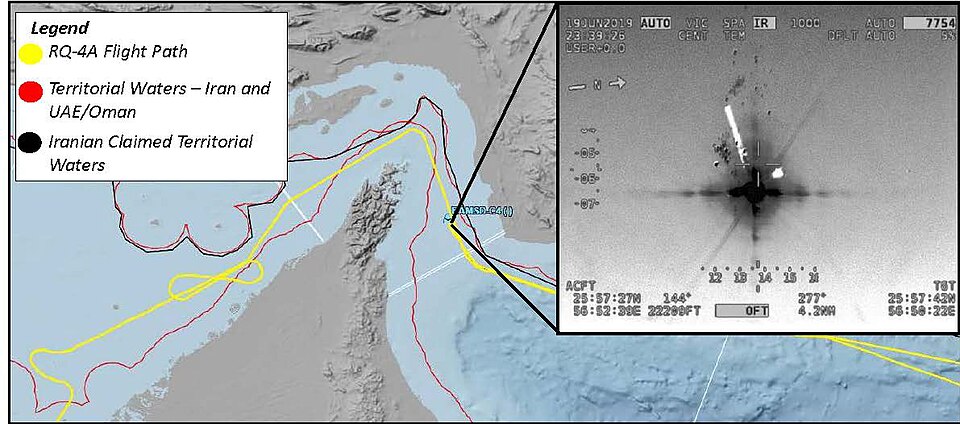
President Trump responded swiftly to the collapse, floating the idea of a naval blockade of the Strait of Hormuz in a social media post. "Out-blockade Iran," he wrote, according to the Jerusalem Post, signaling a dramatic escalation in pressure on Tehran. The strait is one of the world's most critical oil chokepoints, and any blockade would send shockwaves through global energy markets.
Trump told the New York Post he is "loading up the ships" and preparing the military if Iran fails to comply, adding that American forces will remain near Iran until a "real agreement" is honored. He also referenced the country's readiness for a "next conquest," language that alarmed critics on both sides of the aisle.
Democrats called for his removal over what they described as reckless threats, while CBS News reported that few Republicans condemned the president's rhetoric. The New York Times characterized Trump's warnings as potential "self-incrimination for war crimes," noting that threatening to blockade a sovereign nation's trade routes could violate international law.
The failed talks leave the Middle East in a precarious position, with no clear path back to the negotiating table and an increasingly militarized U.S. posture in the Persian Gulf.