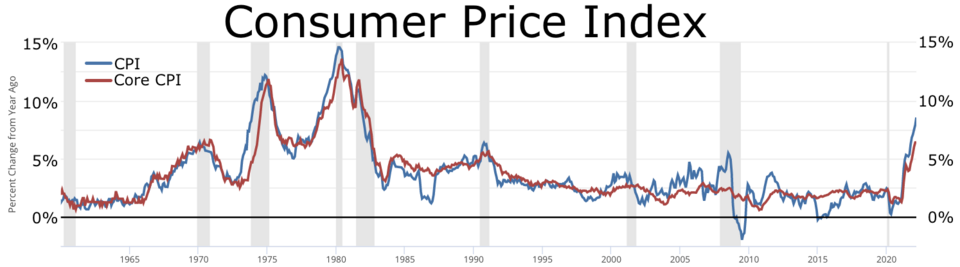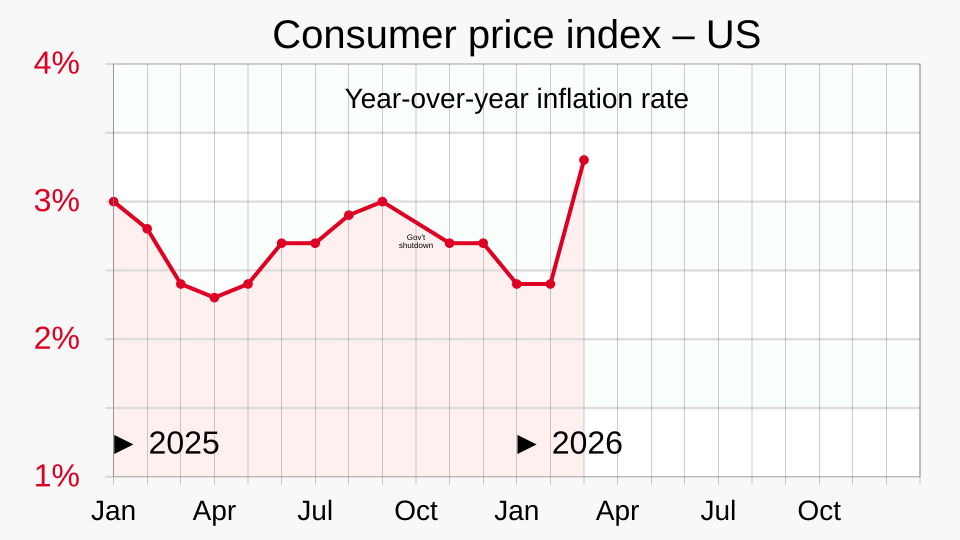
Inflation cooled heading into the new year, with the Consumer Price Index rising 2.4 percent on an annual basis in January, down from 2.7 percent in December, according to data from the Bureau of Labor Statistics.
On a monthly basis, the CPI increased 0.2 percent in January after a 0.3 percent gain in December. Shelter costs continued to be a primary driver of price increases. Food prices, which had pushed December's reading higher, appeared to moderate somewhat.
Core inflation — which strips out volatile food and energy costs — told a slightly less encouraging story. The index for all items less food and energy rose 0.3 percent month over month in January, an acceleration from December's 0.2 percent. On a yearly basis, core CPI stood at 2.5 percent, only slightly below December's 2.6 percent, suggesting that underlying price pressures have yet to fully dissipate.
The mixed signals complicate the outlook for monetary policy. While the headline number moved in a favorable direction, the uptick in monthly core inflation indicates that the final stretch toward the Federal Reserve's 2 percent target remains bumpy. For consumers, the data means everyday costs are still rising, albeit more slowly than during the worst of the post-pandemic inflation surge. Housing affordability, in particular, continues to weigh on household budgets as shelter inflation proves difficult to dislodge.