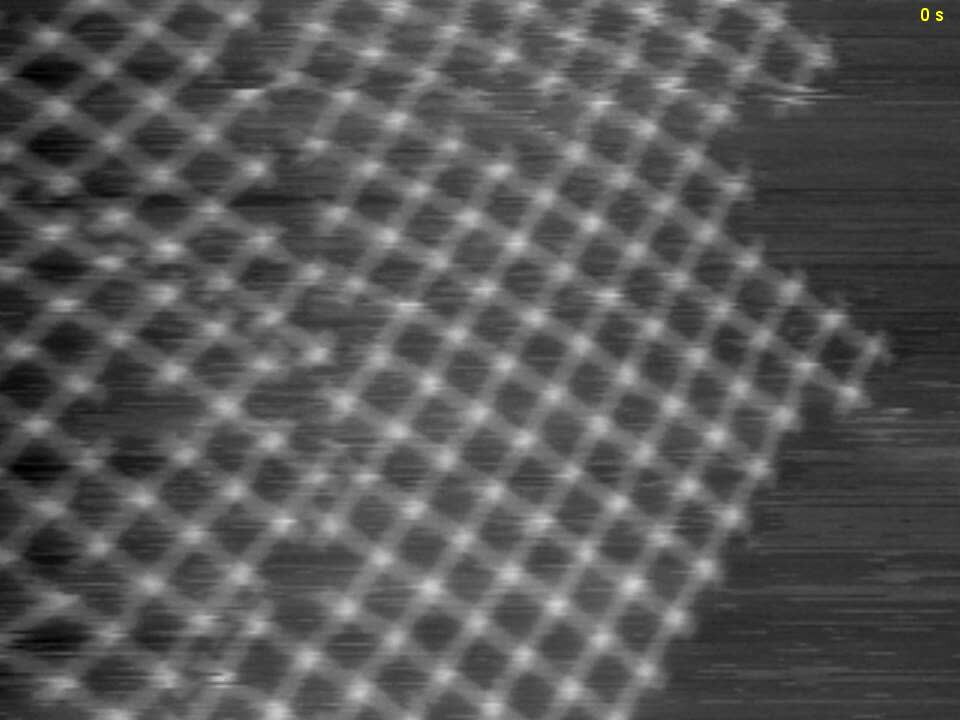
Tiny robots built entirely from DNA strands could one day navigate the bloodstream, deliver medications to exact locations, and neutralize threats like cancer cells and viruses. A new review from researchers at the Harbin Institute of Technology, reported by Science Daily, lays out how the emerging field of DNA nanorobotics is borrowing ideas from traditional engineering to build programmable machines at a scale invisible to the naked eye.
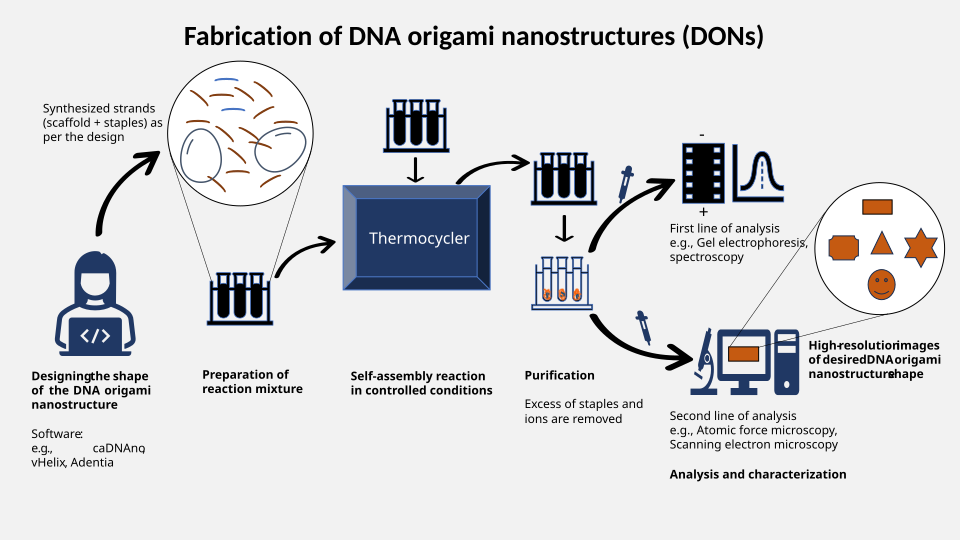
The designs draw on creative approaches to molecular construction. Scientists are building rigid DNA joints, incorporating flexible components, and using folding techniques inspired by origami. By adapting familiar mechanical concepts — the same principles behind larger robots — to the nanoscale, researchers have created DNA-based systems capable of controlled, repeatable tasks despite being only nanometers in size.
One of the biggest challenges is steering these machines through the chaotic environment inside a living body. To solve this, scientists have developed control systems using a biochemical process called DNA strand displacement, which programs movement through specific DNA sequences that act as "fuel" and "structure." External signals — electric fields, magnetic fields, and light — can also direct the robots' motion, giving researchers a versatile toolkit for fine-tuning behavior.
The medical applications are tantalizing. DNA robots could function as "nano-surgeons," locating diseased cells and delivering targeted treatments with a precision that conventional drugs cannot match. Researchers are also investigating whether these machines could physically capture viruses like SARS-CoV-2, with future versions potentially operating as fully autonomous drug delivery platforms.
Beyond medicine, DNA robots may find uses in advanced manufacturing. Acting as programmable templates, they could position nanoparticles with sub-nanometer accuracy, potentially leading to breakthroughs in molecular computing and data storage. For now, however, most DNA robots remain in early experimental stages. The technology is better understood as proof of concept than as a practical tool — but the trajectory suggests the gap between laboratory curiosity and clinical reality is steadily narrowing.