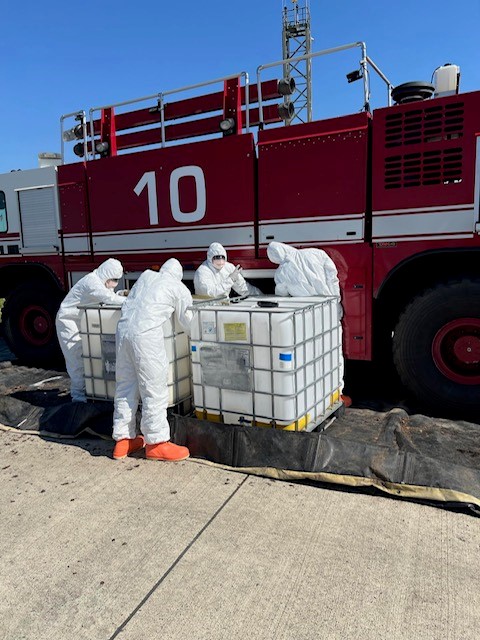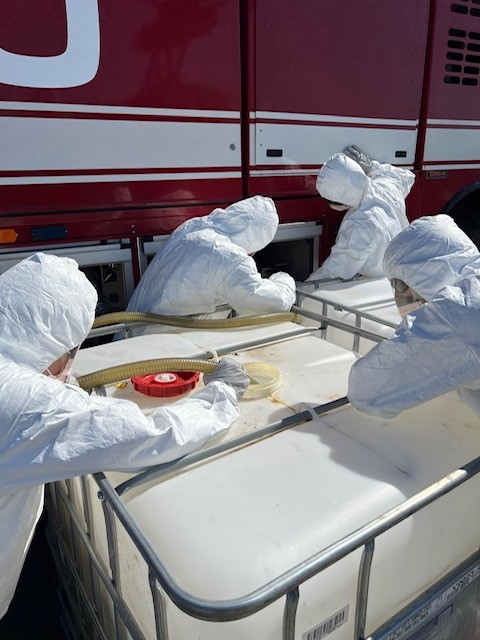
North Carolina is reckoning with the environmental and health consequences of toxic firefighting foam that has contaminated soil and water across the state. The foam, known as aqueous film-forming foam or AFFF, contains per- and polyfluoroalkyl substances — the synthetic chemicals commonly referred to as PFAS, or "forever chemicals" — which do not break down naturally in the environment.
As reported by North Carolina Health News, the state is now working to address the contamination and its aftermath. PFAS have been linked to a range of serious health problems, including certain cancers, thyroid disease, immune system disruption, and reproductive issues. The chemicals have been used for decades in firefighting foam deployed at military bases, airports, and fire training facilities, where they seeped into groundwater and surrounding communities.
The challenge facing North Carolina is not unique, but the scale of contamination — and the state's history with PFAS from industrial sources as well — has made it a focal point in the national conversation about how to clean up these persistent pollutants. Residents near contaminated sites have raised concerns about long-term exposure through drinking water and local food supplies.
State officials and environmental agencies are now pursuing a combination of monitoring, remediation, and regulatory measures to reduce ongoing exposure. The effort underscores a broader tension playing out across the country: how to balance the costs of cleanup with the urgent need to protect public health from chemicals that were used widely before their dangers were fully understood.