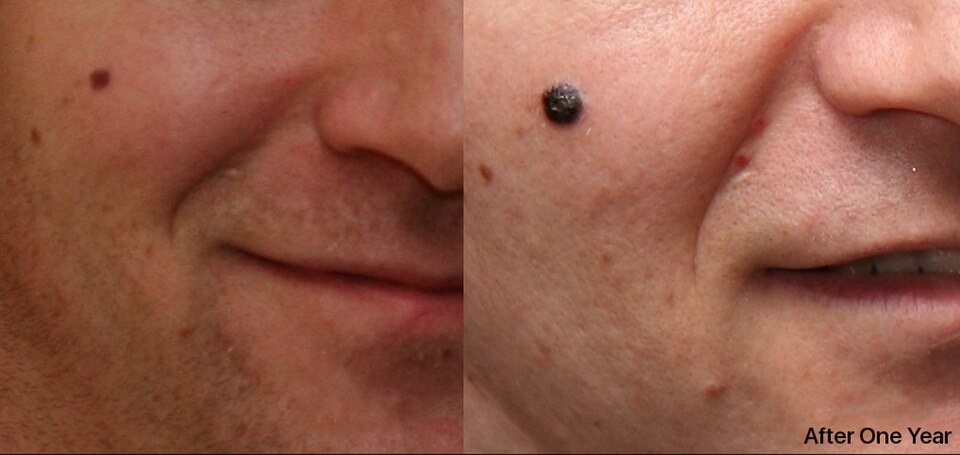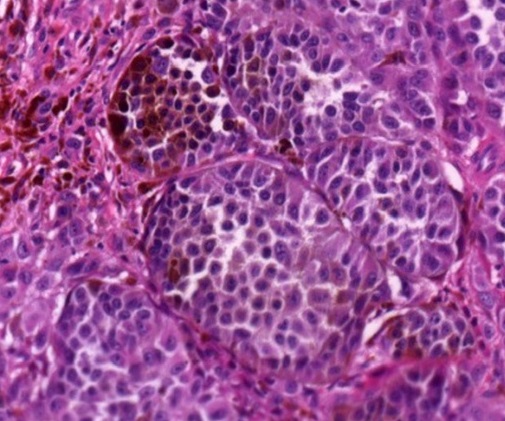
A new study published in JAMA is sounding the alarm on the growing global threat of cutaneous melanoma, the deadliest form of skin cancer. The research examines worldwide melanoma cases as documented in 2020 and offers projections through 2040 that suggest the disease burden will rise substantially in the coming years.
Cutaneous melanoma, while less common than other types of skin cancer, accounts for the majority of skin cancer deaths. The disease is most prevalent in fair-skinned populations and in regions with high ultraviolet radiation exposure, including Australia, parts of Europe, and North America.
The projected increase is driven by several converging factors, including aging populations, continued exposure to ultraviolet radiation from both sunlight and artificial sources, and improved diagnostic detection in some regions. Public health experts have long warned that without stronger prevention efforts — particularly around sun protection and early screening — melanoma rates would continue to climb.
The findings underscore the need for coordinated global strategies to address melanoma prevention, early detection, and treatment access. While survival rates have improved dramatically in recent years thanks to immunotherapy and targeted treatments, these advances remain unevenly distributed, with patients in lower-income countries facing far worse outcomes.
Health authorities continue to recommend regular skin checks, sun-protective clothing, and consistent sunscreen use as frontline measures against melanoma. The study's long-range projections could help policymakers allocate resources and prioritize skin cancer awareness campaigns in the regions most at risk.