The price of diabetes medications has been a flashpoint in American healthcare debates for years. Now, a study published in JAMA offers new ammunition for those arguments by estimating what diabetes medicines could sustainably cost based on actual production expenses.
The research calculated cost-based prices for widely used diabetes treatments by factoring in the expenses of active pharmaceutical ingredients, manufacturing, reasonable profit margins, and other supply chain costs. The resulting figures suggest that sustainable prices could be dramatically lower than what patients and insurers currently pay in many markets.
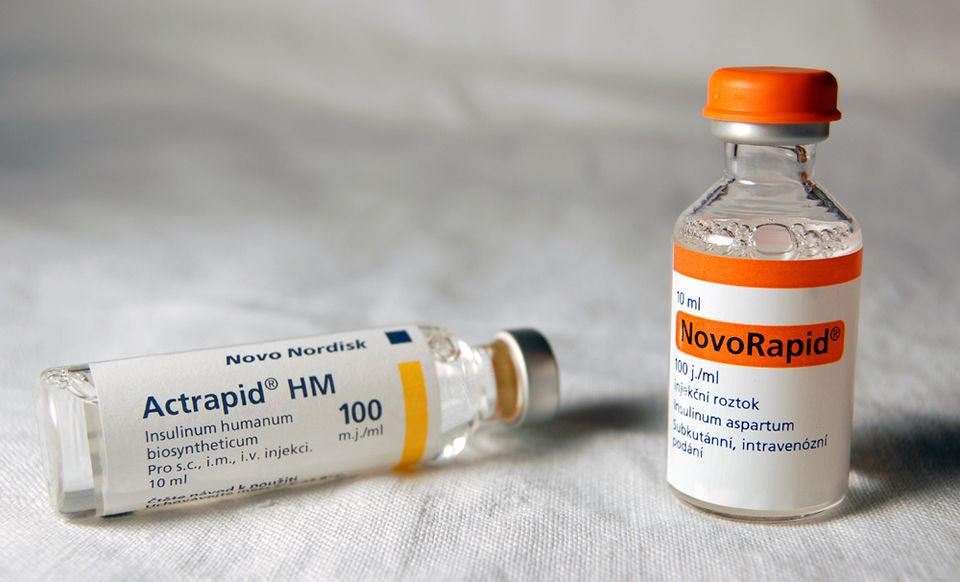
Diabetes affects hundreds of millions of people globally, and medication costs represent a significant barrier to treatment adherence. Insulin, in particular, has drawn intense scrutiny. Some patients have rationed doses or skipped them entirely due to affordability concerns — decisions that can lead to dangerous complications or death.
The findings come at a time when governments and health systems around the world are grappling with how to contain pharmaceutical spending while maintaining incentives for drug development. Several countries have implemented price controls or reference pricing systems, but the United States has historically relied more on market-based approaches.
By establishing a transparent benchmark for what these medications could cost, the study provides a data-driven framework for policymakers, insurers, and patient advocates pushing for more affordable access to essential diabetes treatments.