If you've held onto plastic food storage containers for years — or even decades — health experts say it might be time to take a closer look at what they're made of. The concern centers on bisphenol A, commonly known as BPA, a chemical long used to make plastics more durable and shatter-resistant.
According to CNN, BPA exposure in humans has been linked to a troubling range of health issues. These include infertility, altered fetal growth, attention deficit hyperactivity disorder in children, polycystic ovarian syndrome, endometriosis, and heart disease. Laura Vandenberg, a professor of environmental health sciences at the University of Massachusetts Amherst, said even low levels of BPA leaching from consumer plastics have been associated with harm.
The age of your containers matters. Tupperware, one of the most recognizable names in food storage, has sold BPA-free products in the US and Canada since March 2010. But containers manufactured before that date — whether from Tupperware or other brands — may still contain the chemical. "We worry about those hard, shatter-resistant plastics that were made a decade ago, that were made with BPA," Vandenberg said. "Every single time that they're used, they're leaching small amounts of BPA out of them."
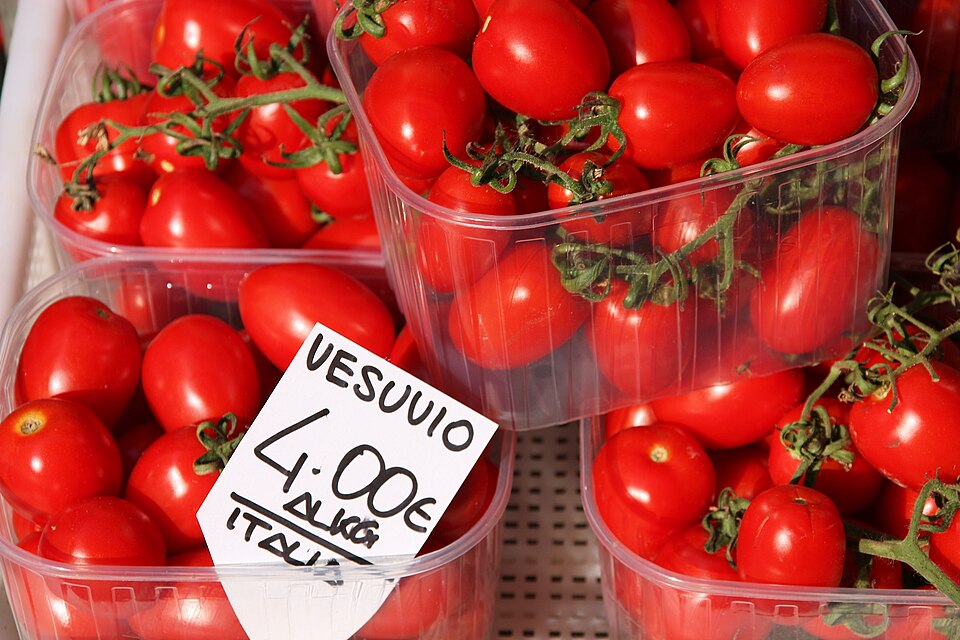
Wear and tear only makes the problem worse. Washing containers in the dishwasher or scrubbing them with rough brushes can accelerate the leaching process. Scratches also create grooves where bacteria can accumulate, according to James Rogers, director of food safety research and testing at Consumer Reports. Storing highly acidic foods like tomatoes or citrus can further degrade the plastic.
Vandenberg offered a blunt assessment: "If it's not safe the day you buy it, it's not safe 10 years later." In fact, she said, the longer you own older plastic containers, the riskier they become. For anyone still using pre-2010 plastic food storage, the message from researchers is clear — it may be worth upgrading to newer, BPA-free alternatives.