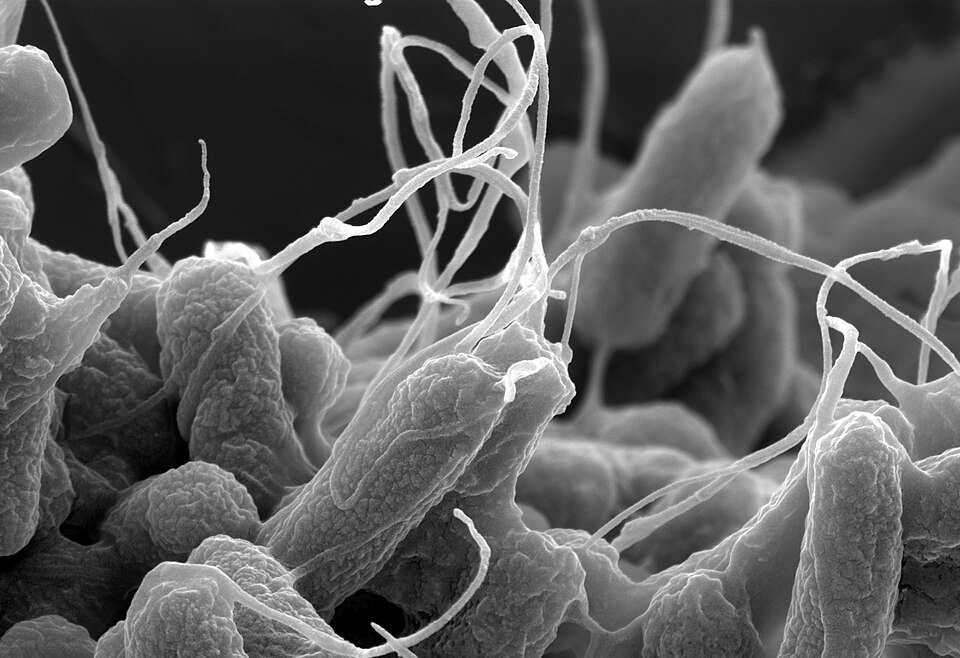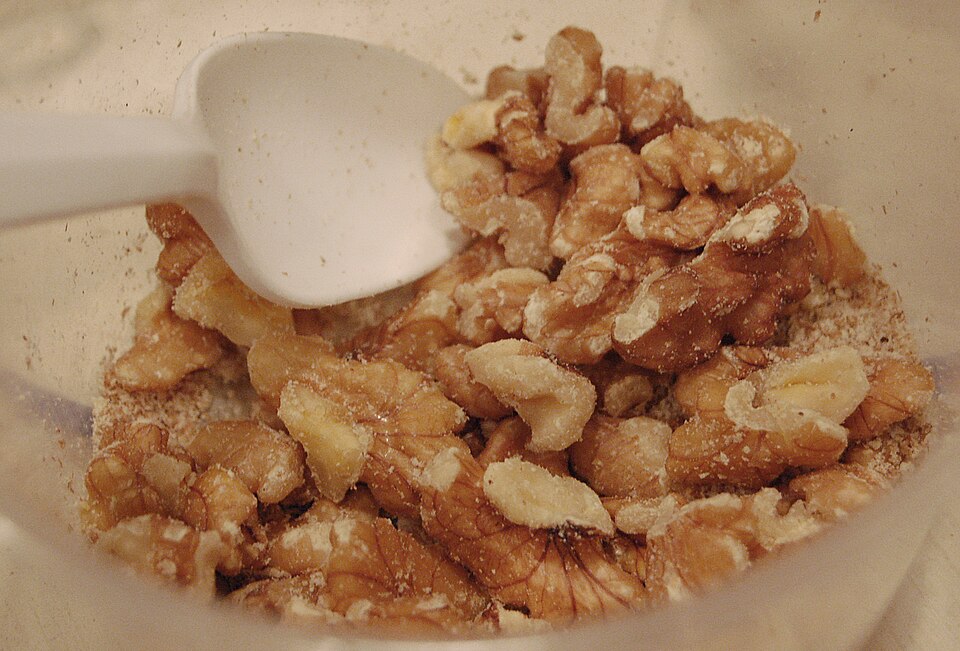
An outbreak of Shiga toxin-producing Escherichia coli O157 infections across Washington and California in 2024 has been linked to organic walnuts, making it just the second known outbreak of this dangerous pathogen tied to tree nuts in the United States, according to a CDC field report.
The Washington State Department of Health first alerted the CDC on March 25, 2024, after identifying seven cases of E. coli O157 infection in the two states. Whole genome sequencing revealed the bacterial isolates were highly genetically related, confirming a common source. The investigation ultimately pointed to organic walnuts as the likely vehicle of contamination.
E. coli O157:H7 outbreaks are most commonly associated with beef and fresh vegetables, especially leafy greens. The only previous U.S. outbreak linking the pathogen to tree nuts occurred in 2011, when in-shell hazelnuts sickened people in Michigan, Minnesota, and Wisconsin. The rarity of such cases in tree nuts may partly explain why walnuts and similar products receive less scrutiny than higher-risk foods.
The findings, published in the CDC's Morbidity and Mortality Weekly Report, highlight a gap in food safety awareness. While walnuts and pecans have been identified in prior research as potential carriers of bacterial contamination, outbreaks remain uncommon enough that consumers and regulators may underestimate the risk. The CDC report serves as a reminder that even foods generally considered safe can occasionally harbor dangerous pathogens.