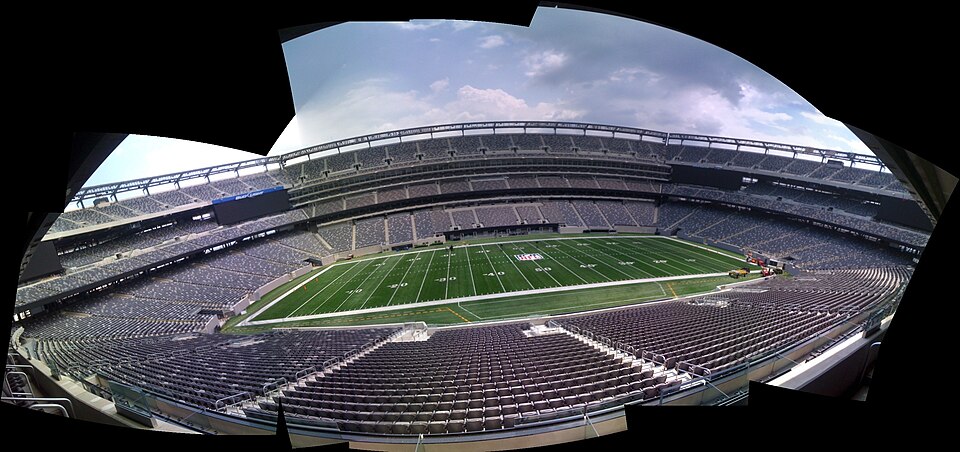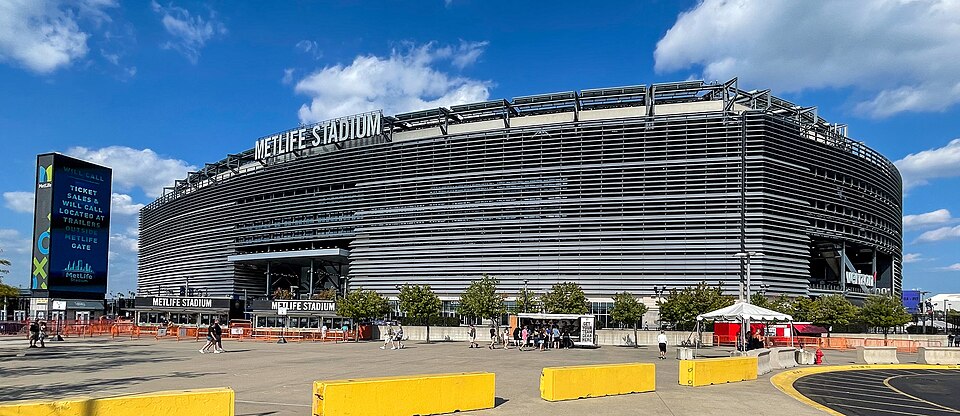
New Jersey Gov. Mikie Sherrill is publicly calling out FIFA after reports surfaced that NJ Transit tickets from MetLife Stadium to New York Penn Station could top $100 on World Cup game days — a staggering markup from the current fare of just under $13. In a video posted to social media, the governor said her administration inherited an agreement in which FIFA contributes zero dollars toward transportation, leaving the state transit agency with a $48 million tab to move 40,000 fans to and from each match.
"FIFA is making $11 billion off of this World Cup and charging fans up to $10,000 for a single ticket for the final," Sherrill said. "I won't stick New Jersey's commuters with that tab for years to come." MetLife Stadium is set to host eight matches, including the July 19 final. Parking at the venue has been banned entirely, with the Meadowlands Sports Complex lots repurposed for fan activation zones and security operations.
The transit sticker shock is not unique to New Jersey. The Massachusetts Bay Transportation Authority recently announced $80 tickets from Boston to Gillette Stadium, while Yankee Line bus tickets to Foxborough will run $95, as reported by Fox News. Tailgating has been banned at both stadiums, adding to fan frustration over the cost and logistics of attending matches.
New Jersey lawmakers are exploring ways to offset the burden. A bill sponsored by state Sen. Paul Sarlo would impose a 3% surcharge on retail goods, food, drink, and event tickets within the Meadowlands District during World Cup dates. A final decision on NJ Transit pricing is expected within days, with reports indicating there will be no discounts for seniors, children, or passengers with disabilities. The brewing standoff between state officials and FIFA underscores broader tensions over who should bear the financial weight of hosting the world's largest sporting event on American soil.
The dispute over transportation pricing for the 2026 World Cup in New Jersey has escalated into a sharper exchange between FIFA and state officials, with both sides defending their positions as concerns grow over fan accessibility and event logistics. What began as a debate over fare increases has, perhaps unsurprisingly, evolved into a broader discussion about balancing costs, infrastructure demands, and the overall experience for attendees.
FIFA Pushes Back on Transit Pricing Justification
FIFA has issued a pointed response to New Jersey officials following their defense of significantly increased transit fares tied to World Cup matches at MetLife Stadium. In a statement shared with Fox News Digital, the organization emphasized that transportation planning has been a long-standing collaborative effort dating back to 2018.
“Ever since the host city agreements were signed in 2018, FIFA has worked in collaboration with the Host Committees and their partners to develop a transportation plan that provides efficient and accessible mass transit options,” the statement noted, according to a report from Fox News Digital.
FIFA stressed that the goal has always been to limit congestion, reduce dependency on private vehicles, and ensure that the fan experience remains centered on the matches themselves rather than travel complications. There’s a sense, perhaps, that the organization views affordability as inseparable from accessibility.
Fare Hike Sparks Tension Over Costs
The conflict intensified after reports revealed that round-trip train fares to the stadium could reach approximately $150, a dramatic jump from the typical $13 cost. State officials have defended the increase, citing a projected $48 million transportation expense tied to hosting the matches.
Their argument is relatively straightforward: taxpayers should not be responsible for covering costs associated with an event expected to generate billions in revenue for FIFA. Still, critics argue the sharp increase risks undermining attendance and overall accessibility—an outcome that seems at odds with the event’s global appeal.
‘Chilling Effect’ Warning Raises Broader Concerns
FIFA’s response did not stop at disagreement. The organization warned that the pricing model could have unintended consequences, describing it as having a “chilling effect” on fans.
“The NJ Transit’s current pricing model will have a chilling effect. Elevated fares inevitably push fans toward alternative transportation options,” FIFA stated, again cited by Fox News Digital.
According to FIFA, such a shift could increase road congestion, lead to delays, and create wider logistical challenges. With an estimated 40,000 transit riders expected per match, even a partial move away from rail could strain surrounding infrastructure. It seems, in a way, that the issue is less about price alone and more about the cascading effects it might trigger.