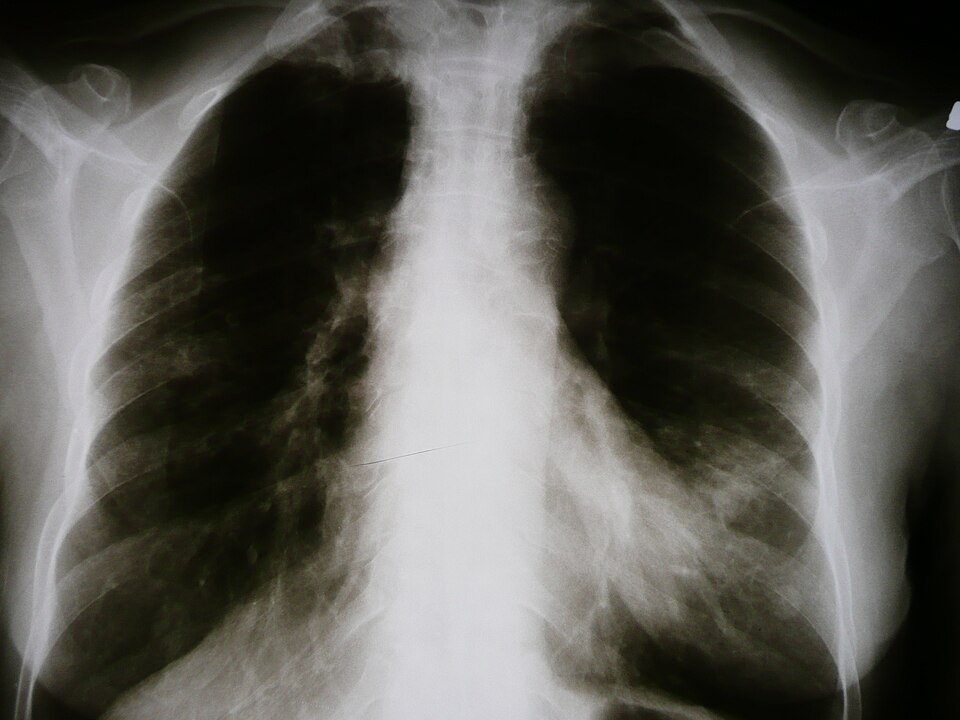
Artificial intelligence may help doctors catch lung cancer faster by flagging suspicious chest X-rays for immediate follow-up, according to a new randomized controlled trial published in Nature Medicine. The study, called LungIMPACT, examined whether AI-based prioritization of primary care-requested chest X-rays could reduce the time it takes patients to receive a CT scan and ultimately a lung cancer diagnosis.
The prospective, multicentre trial tested a straightforward concept: when AI detects concerning findings on a routine chest X-ray, those cases get moved to the front of the line. Researchers measured the time from the initial X-ray to CT imaging and diagnosis as primary outcomes, while also tracking the number of urgent suspected cancer referrals, the incidence and stage of cancers detected, and the time to urgent referral.
Lung cancer remains one of the deadliest cancers worldwide, in large part because it is often diagnosed at advanced stages when treatment options are limited. Any tool that compresses the diagnostic timeline could potentially shift more patients into earlier, more treatable stages of the disease. The idea behind AI prioritization is not to replace radiologists but to help ensure that the most urgent cases don't languish in a queue.
The trial adds to a growing body of evidence suggesting that AI tools can play a meaningful role in cancer detection pathways. While full details of the outcomes are still being assessed by the broader medical community, the study's rigorous design — a randomized controlled trial conducted across multiple centers — lends significant weight to its findings. If the approach proves effective at scale, it could reshape how health systems manage the flood of imaging studies that radiologists review each day.