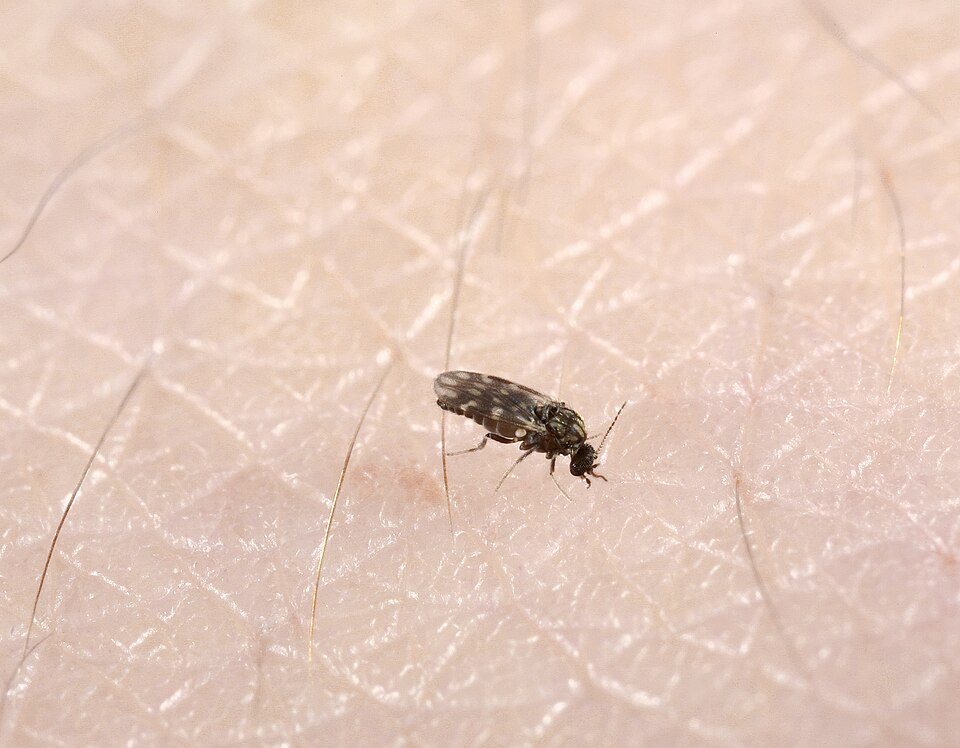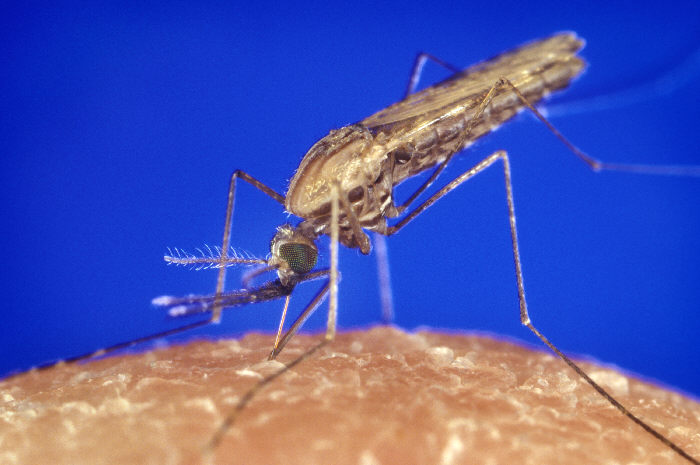
The Oropouche virus, an arbovirus that has circulated in the Amazon region for more than seven decades, caused far more infections during its recent resurgence than many health authorities initially recognized. A comprehensive study published in Nature Medicine estimates that over 9.4 million Oropouche virus infections occurred across Latin America and the Caribbean during major outbreaks between 1960 and 2025.
Researchers focused their analysis on Manaus, a major metropolitan hub in Brazil's Amazonas state, where the virus re-emerged in late 2023 and triggered a significant epidemic. Blood testing revealed a sharp jump in population-level immunity: IgG seroprevalence rose from 11.4% in November 2023 to 25.7% just one year later. That rapid increase points to widespread transmission in a short window of time. The team also found that antibodies from previously infected individuals showed strong neutralizing activity against both historical and contemporary virus strains, with a median neutralization titer of 640.
By reconstructing the virus's circulation history in Manaus, the researchers identified a pattern of continuous low-level transmission punctuated by two major outbreaks of comparable size and seasonal timing — one in 1980–1981 and another in 2023–2024. Outside of those surges, they estimate roughly 336,000 infections occurred in the Amazon region during periods of quieter endemic circulation.
The findings carry particular urgency given recent reports linking Oropouche virus to potential vertical transmission and microcephaly in newborns, a pattern that echoes the early days of the Zika crisis. Understanding the true scope of infection is essential for public health planning across Central and South America, where the virus's range appears to be expanding. The study provides what its authors call a comprehensive assessment of the virus's burden — one that could inform surveillance strategies and vaccine development efforts in the years ahead.