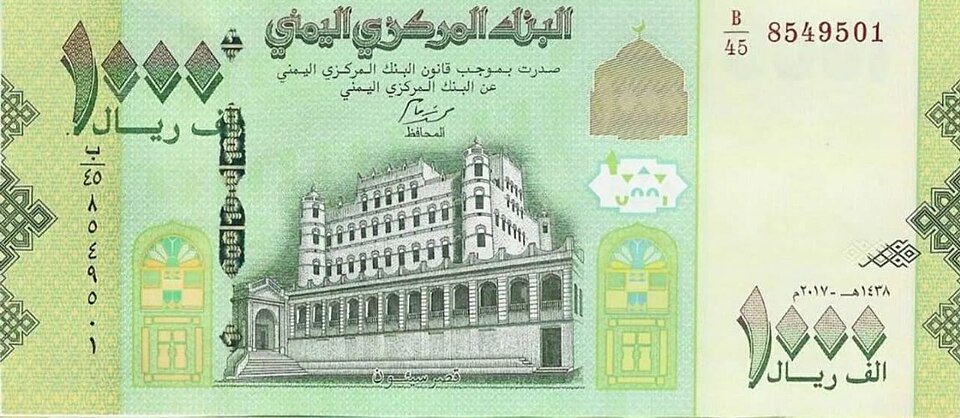
Yemen is facing a deepening cash crisis that is making daily life increasingly difficult for millions of people, even as the country's currency has shown signs of stabilization. According to Al Jazeera, the shortage of physical banknotes has created a paradox: the currency's value may be holding steadier, but people simply cannot get their hands on enough of it to conduct basic transactions.
The cash crunch affects everything from buying food and medicine to paying wages. In a country where digital payment infrastructure remains limited and most commerce is conducted in cash, the shortage has ripple effects across the entire economy. Small business owners, market vendors, and ordinary families are bearing the brunt of the problem.
Yemen's financial system has been fractured by years of civil war, with rival authorities in different parts of the country issuing competing monetary policies. Banks have struggled to function normally, and the flow of physical currency has been disrupted by logistical challenges and institutional dysfunction. Even humanitarian aid organizations have faced difficulties distributing cash assistance to vulnerable populations.
The situation underscores how currency stabilization alone is not enough to restore economic normalcy in a conflict-ravaged nation. Without reliable access to cash — or a viable digital alternative — millions of Yemenis remain trapped in a daily struggle to meet their most basic needs, regardless of what exchange rates suggest on paper.