Iran has refused to participate in a second round of peace talks with the United States, dealing a blow to diplomatic efforts aimed at ending the conflict that has roiled global markets since late February. The country's official IRNA news agency reported Sunday that Tehran rejected the talks due to what it called "Washington's excessive demands, unrealistic expectations, constant shifts in stance, repeated contradictions, and the ongoing naval blockade."
The rejection came just hours after President Trump announced on Truth Social that his representatives were heading to Islamabad, Pakistan, for negotiations on Monday. Trump responded with a stark threat, warning that the U.S. would "knock out every single Power Plant, and every single Bridge, in Iran" if Tehran does not accept his terms. Vice President JD Vance was expected to lead the U.S. delegation, with envoys Steve Witkoff and Jared Kushner also set to travel, CNBC reported.
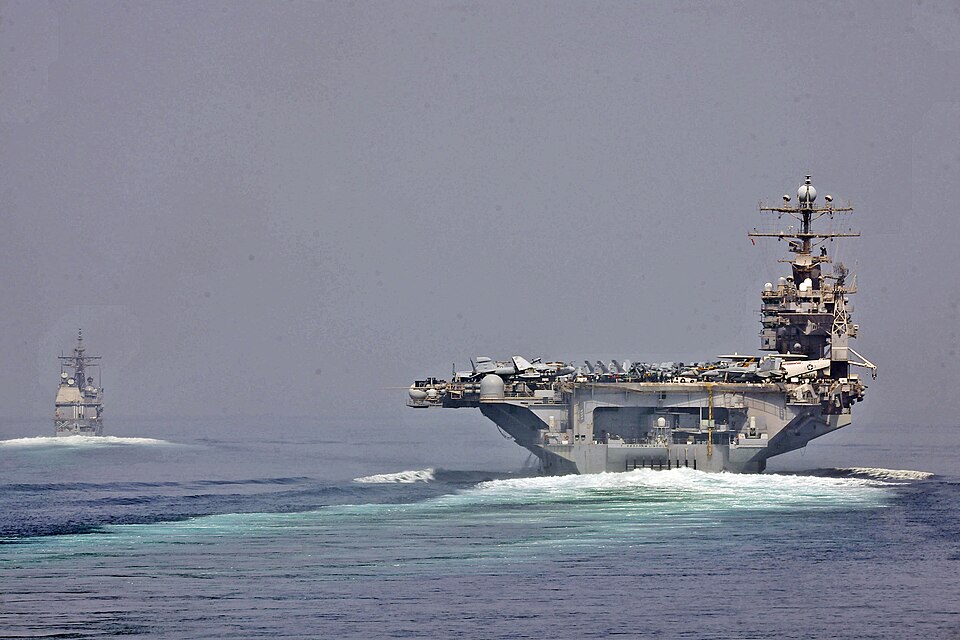
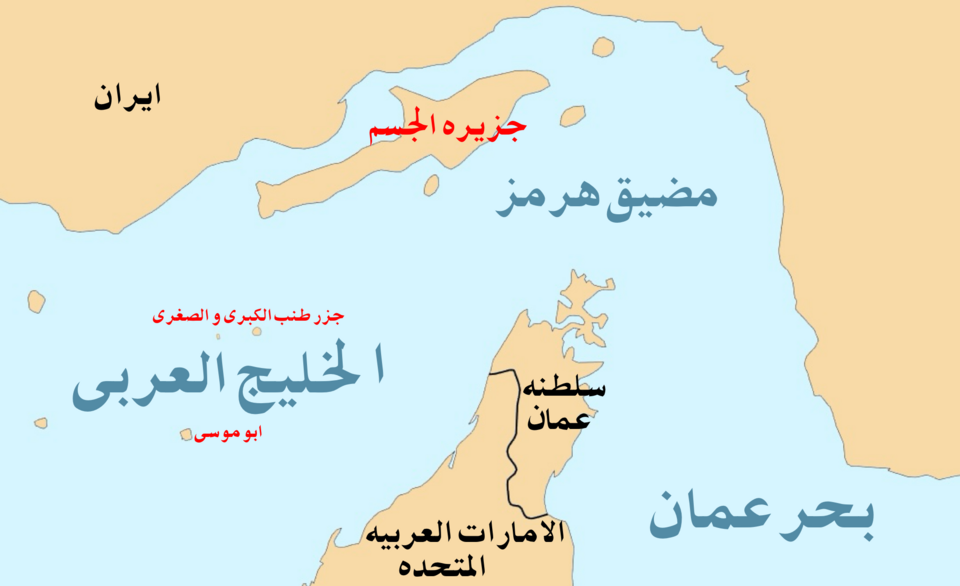
The standoff over the Strait of Hormuz remains a central flashpoint. Iran has blocked the critical waterway to non-Iranian ships since U.S. and Israeli strikes began on February 28. Tehran briefly announced on Friday it would reopen the strait, only to reverse that decision Saturday after Trump declined to lift a U.S. blockade of Iranian ports. Trump accused Iran of firing on vessels in the strait, calling it "a total violation of our ceasefire agreement." Pakistan, which has served as the primary mediator, continued shuttle diplomacy, with Prime Minister Shehbaz Sharif speaking by phone with Iranian President Masoud Pezeshkian on Sunday.
The diplomatic breakdown could trigger a renewed surge in oil prices when markets reopen. WTI crude has already climbed to around $95 per barrel from roughly $60 at the start of the year. The conflict has also been a powerful catalyst for gold and gold mining equities. The VanEck Gold Miners ETF has gained approximately 95% over the past year, driven by elevated geopolitical risk premiums across commodity markets, according to Yahoo Finance. Gold miners benefit from operational leverage when prices rise, though higher energy costs can simultaneously compress margins.
With no clear path back to negotiations and both sides hardening their positions, investors and analysts are bracing for continued volatility across energy, precious metals, and broader financial markets.