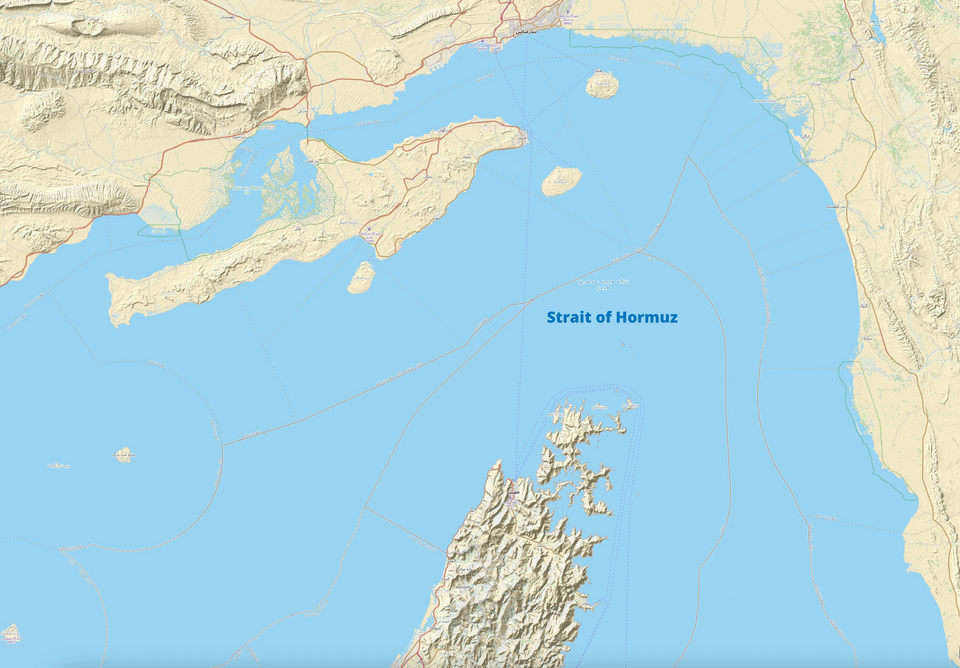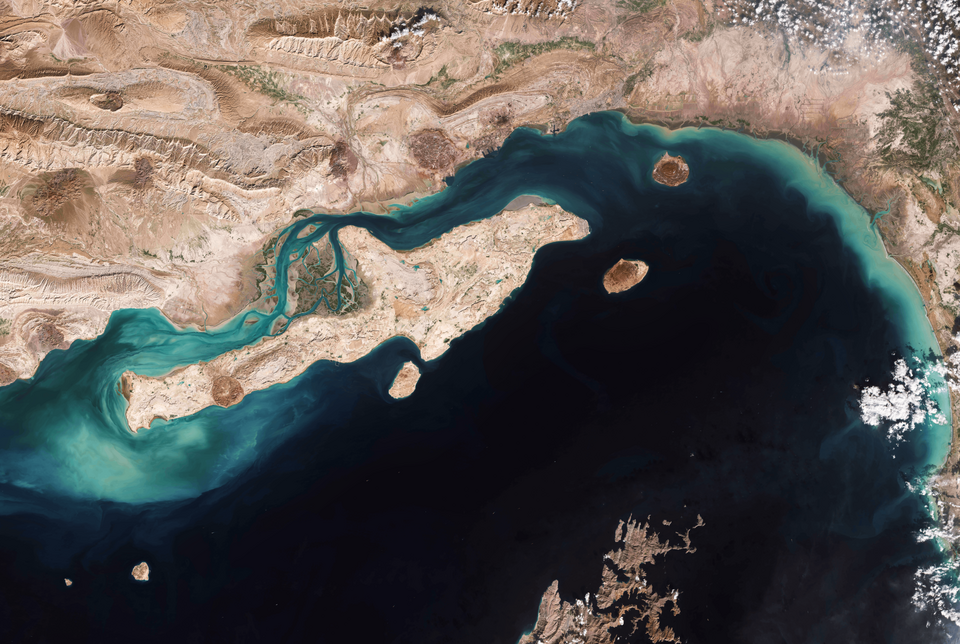
The fragile cease-fire between the United States and Iran is under severe strain after Iran reversed course this weekend and once again closed the Strait of Hormuz to commercial shipping, firing on vessels attempting to pass through the waterway that carries roughly 20 percent of the world's oil supply. President Trump responded by threatening to destroy "every single power plant, every single bridge" in Iran unless it agrees to a deal, while simultaneously announcing a new round of negotiations set to begin Monday evening in Islamabad, Pakistan.
Three White House officials told CBS News that Vice President JD Vance, special envoy Steve Witkoff, and the president's son-in-law Jared Kushner will lead the American delegation. Al Jazeera and other outlets confirmed the talks, which come amid a conflict that has been raging since the U.S. and Israel went to war with Iran on February 28. The diplomatic push underscores the urgency of the moment: video posted online appears to show Iran's military ordering an Indian ship to abort its passage through the strait, a sign that Tehran is enforcing the blockade aggressively.
The economic consequences are already cascading across the globe. Regular gasoline in the United States now averages about $4.05 a gallon, a level not seen since Russia's invasion of Ukraine. But former Biden energy adviser Amos Hochstein warned on "Face the Nation" that the worst may be yet to come. "When you close a strait, the world still has all the tankers that were on the water before," Hochstein said. "But right now, there are no tankers on the seas to Asia and to Europe." He noted that some Asian countries have already begun canceling flights due to dwindling jet fuel reserves, and that European supplies may last only six weeks at current rates.
Hochstein was blunt about the administration's timeline, suggesting that Treasury Secretary Bessent's prediction of a price drop between June and September amounted to talking down the markets. "If we get to June, prices are high, we'll say it's August to November," he said, adding that the president has only "a couple of weeks before this can go much higher." The closure's slow-moving nature — tankers already at sea continue delivering for weeks — masks an approaching cliff, he warned, one that will eventually reach American consumers and airlines.
The broader geopolitical landscape adds further complexity. Al Jazeera published an explainer tracing the deterioration of what was once a cooperative relationship between Iran and Israel, noting that the current war's impact "has become global and all sides have suffered casualties." With negotiations set to resume under intense pressure and the world's energy supply hanging in the balance, the coming days in Islamabad may prove pivotal.